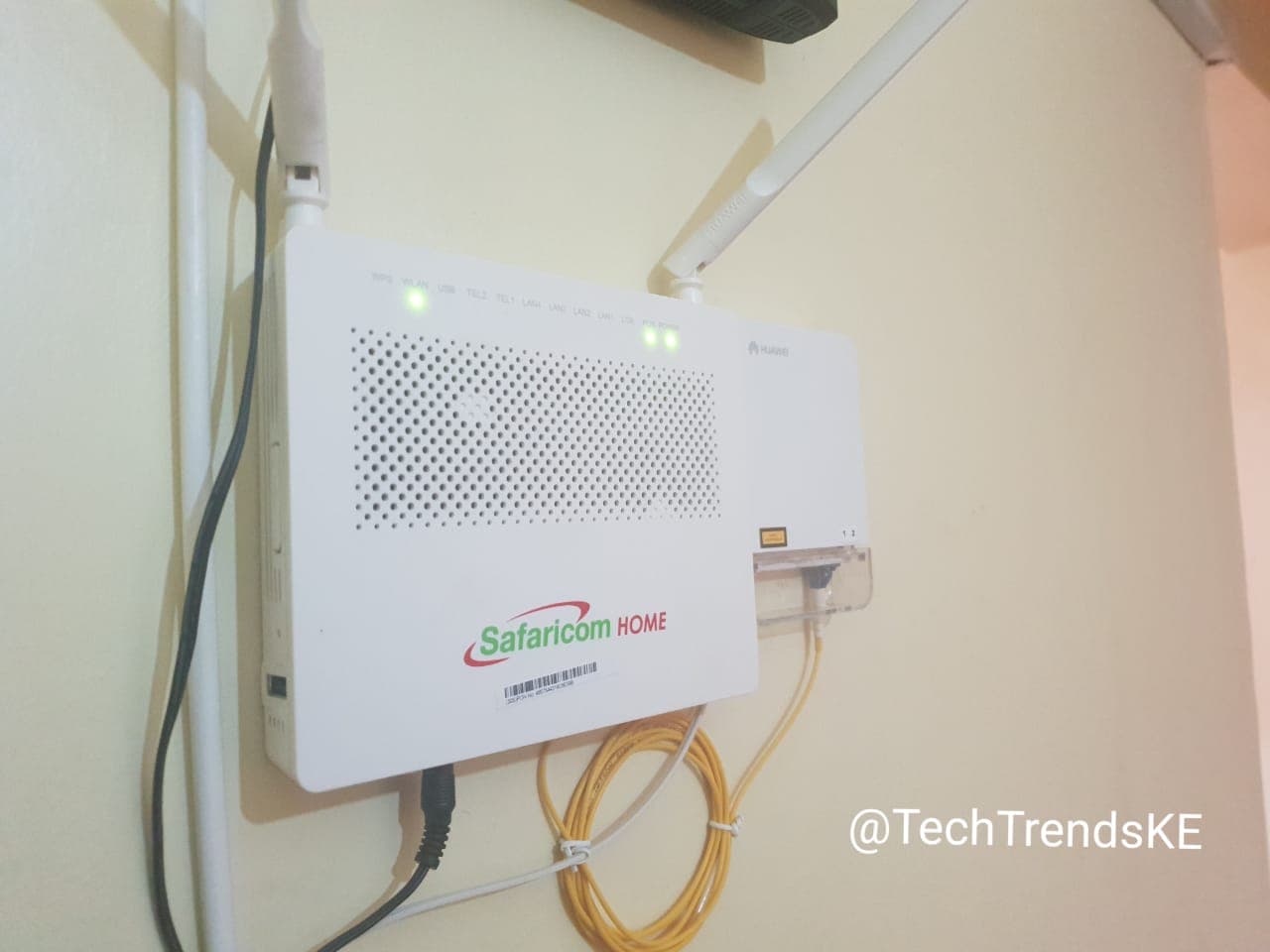
Safaricom has introduced Family Share, a set of packages that combines Home Fibre with mobile data or voice minutes under one monthly bill, giving households a way to manage home internet and mobile connectivity through a single subscription.
The Safaricom Family Share plans start at Sh3,749 per month for Bronze and rise to Sh13,999 for Diamond, with fibre speeds ranging from 40 Mbps to 500 Mbps. Customers can share the mobile allowance among up to five family members, making the service relevant to households with several Safaricom users.
The packages build on Safaricom’s existing Home Fibre service, adding a mobile component at a higher monthly price than standalone broadband. The additional cost ranges from Sh750 to Sh1,500, depending on the tier, with the value to each household determined by how much mobile data or voice calling its members use.
How much do Safaricom Family Share plans cost?
Safaricom has introduced four tiers, each combining a Home Fibre speed with a mobile allowance. Bronze is the entry-level option at Sh3,749 per month, while Diamond targets households that need faster broadband, at Sh13,999.
| Plan | Monthly price | Fibre speed | Mobile data option | Voice minutes option |
|---|---|---|---|---|
| Bronze | Sh3,749 | 40 Mbps | 14GB | 750 |
| Silver | Sh5,100 | 60 Mbps | 21GB | 1,000 |
| Gold | Sh7,799 | 150 Mbps | 33GB | 1,500 |
| Diamond | Sh13,999 | 500 Mbps | 33GB | 1,500 |
The mobile benefits are presented as a choice between the listed data allowance and the voice-minute allowance, rather than an entitlement to both simultaneously. The selected allowance can be shared among up to five family members, allowing a household to distribute its mobile benefit according to its needs.
The differences between the tiers become more pronounced as prices rise. Moving from Bronze to Silver costs an additional Sh1,351 per month and increases fibre speed by 20 Mbps, while the mobile data option rises from 14GB to 21GB. Gold costs Sh2,699 more than Silver and raises fibre speed to 150 Mbps, with the data option increasing to 33GB.

Diamond is the most expensive tier, but its listed mobile allowances are the same as Gold. Its principal advantage is the increase in fibre speed from 150 Mbps to 500 Mbps, which could suit households with heavier internet demands, including simultaneous video streaming, large downloads, video calls and multiple connected devices.
What customers get with each Family Share plan
Bronze and Silver offer the lower-cost entry points for households that want to combine home broadband with mobile connectivity. Bronze provides 40 Mbps fibre and a choice of 14GB or 750 voice minutes, while Silver raises the speed to 60 Mbps and the mobile allowance to 21GB or 1,000 minutes. The difference may matter to families whose mobile usage extends beyond the home Wi-Fi connection, particularly when members are travelling or away at work and school.
Gold and Diamond cater to households with greater broadband requirements. Gold’s 150 Mbps connection offers a substantial increase over the lower tiers, while Diamond’s 500 Mbps speed is aimed at users who need more capacity across several devices. Since both tiers list the same mobile allowances, customers considering Diamond would be paying primarily for the faster home connection.
The sharing feature is central to the package. Instead of managing separate mobile bundles for each family member alongside a home internet subscription, customers can allocate the chosen mobile benefit across eligible numbers. For households already spending on Safaricom mobile services, that arrangement could simplify monthly budgeting, although the financial benefit depends on the bundles they would otherwise purchase.
How Family Share compares with standalone Home Fibre
Safaricom’s Home Fibre packages received a speed upgrade in May 2026 without a corresponding increase in their listed prices. The standalone Bronze package costs Sh2,999 per month for 40 Mbps, Silver costs Sh4,100 for 60 Mbps, Gold costs Sh6,299 for 150 Mbps and Diamond costs Sh12,499 for 500 Mbps. Family Share retains those speed tiers while adding the shared mobile benefit for an additional monthly charge.
| Plan | Standalone fibre | Family Share | Additional monthly cost |
|---|---|---|---|
| Bronze | Sh2,999 | Sh3,749 | Sh750 |
| Silver | Sh4,100 | Sh5,100 | Sh1,000 |
| Gold | Sh6,299 | Sh7,799 | Sh1,500 |
| Diamond | Sh12,499 | Sh13,999 | Sh1,500 |
For a Bronze subscriber, the additional Sh750 buys access to the Family Share mobile allowance. At Silver, the difference rises to Sh1,000, while Gold and Diamond carry premiums of Sh1,500. Customers can therefore assess the bundle against their existing mobile spending instead of comparing the headline prices alone.
A household that regularly buys mobile data or voice bundles for several Safaricom users may find the additional charge worthwhile, particularly if the shared allowance replaces purchases it would otherwise make. A household that relies almost entirely on Wi-Fi and makes few conventional calls may see less value in the mobile component.
The Gold-to-Diamond comparison deserves particular attention. The monthly bill rises by Sh6,200, but the listed mobile data and voice allowances remain unchanged. For customers deciding between those tiers, the question is whether the jump from 150 Mbps to 500 Mbps justifies the additional cost given the number of users, devices and bandwidth-intensive activities in the home.
Why Safaricom is bundling home and mobile connectivity
Family Share arrives as Kenya’s fixed broadband market expands and providers compete for household subscriptions. TechTrendsKE reported in September 2026 that the market had reached 2.84 million fixed internet connections by June, including 1.57 million fibre connections. The growth in fibre adoption creates an opportunity for providers to build more value around existing broadband relationships, rather than competing solely on connection speeds.
Safaricom has already pursued different approaches to its home internet business. Its May speed upgrade improved the performance of existing Home Fibre tiers, while its earlier exploration of shorter-duration Wi-Fi access addressed customers who prefer not to commit to a full monthly subscription. Family Share takes another approach by linking home broadband to mobile connectivity used by several members of a household.
The strategy offers Safaricom a way to sell multiple services through one subscription. A customer who already relies on the company’s fibre connection may also have family members purchasing mobile data or voice bundles separately. Bringing those services together could strengthen customer retention and increase spending across Safaricom’s fixed and mobile businesses, although the actual effect will depend on adoption and how customers use the packages.
The wider competitive environment also matters. Providers such as Zuku, Faiba and Airtel Kenya, alongside satellite broadband services such as Starlink, give households alternatives for home connectivity. Family Share adds a mobile-sharing proposition to Safaricom’s fibre offering, giving customers another factor to consider when comparing the total cost and convenience of connecting a household.
What the packages mean for households
The main attraction of Family Share is the combination of home internet and mobile allowances under one bill. For households with several Safaricom users, that can reduce the effort involved in purchasing and managing separate bundles, while allowing the family to choose between mobile data and voice minutes according to its needs.
The right tier will depend on the household’s internet use and mobile spending. Bronze and Silver offer a lower-cost way to combine the services, while Gold provides 150 Mbps for households with greater connectivity demands. Diamond is a more specialised option for users who can benefit from 500 Mbps, since its mobile allowances are the same as those listed for Gold.
For customers already using Home Fibre, the most useful comparison is the extra monthly cost against their existing mobile purchases. Family Share could offer better value where the shared allowance replaces spending that would otherwise occur across several family members. Where mobile usage is low, standalone Home Fibre may remain the more economical choice.
Go to TECHTRENDSKE.co.ke for more tech and business news from the African continent and across the world.
Follow us on WhatsApp, Telegram, Twitter, and Facebook, or subscribe to our weekly newsletter to ensure you don’t miss out on any future updates. Send tips to editorial@techtrendsmedia.co.ke