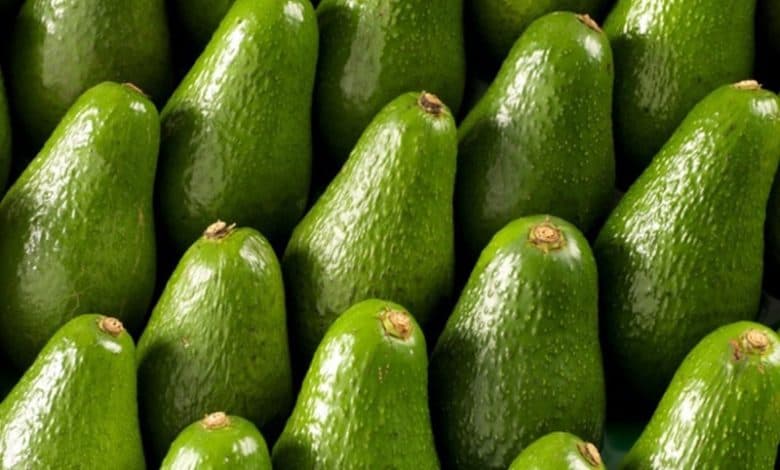
DODOMA: TANZANIA exported 52,000 tonnes of avocados during the 2025/2026 season, surpassing its target of exporting 40,000 tonnes by 2030.
The achievement represents a 237 per cent increase from the 15,432.77 tonnes recorded in the 2020/2021 season.
Foreign exchange earnings from avocado exports also rose significantly, increasing from 44.2 million US dollars in 2020/2021 to 97.2 million US dollars in 2025/2026, representing a 120.4 per cent rise.
Meanwhile, avocado production increased from 149,340 tonnes to 203,473 tonnes over the same period, equivalent to growth of 36.24 per cent.
Speaking at the opening of the Third National Avocado Stakeholders’ Forum in Dodoma, Minister for Agriculture, Daniel Chongolo said the achievement demonstrated that avocados have continued to emerge as an important commercial crop for creating employment, attracting investment, increasing farmers’ incomes and generating foreign exchange.
Mr Chongolo stressed the need to strengthen collaboration between the government and private-sector players to accelerate the development of the avocado industry. He said exports reaching 52,000 tonnes, against the 40,000-tonne target set for 2030, highlighted the significant economic potential of Tanzania’s avocado industry.
“This achievement was driven by the mutual working collaboration between the government and the private sector in strengthening production, markets and infrastructure, as well as establishing systems that facilitate formal, transparent and efficient trade across the value chain,” Mr Chongolo said.
ALSO READ: Avocado export to China takes shape
He added that the milestone provided a strong foundation for setting more ambitious targets and ensuring continued growth translated into higher productivity and greater benefits for farmers and the nation.
Mr Chongolo said the sector’s growth has been supported by joint government and private-sector efforts in production, access to agricultural inputs, extension services, irrigation, infrastructure, quality assurance and the development of productive market and trade systems.
He said the government has continued to create a conducive investment environment, while private-sector stakeholders remained actively involved in production, purchasing, processing, transportation, trade and other services across the avocado value chain.
The minister encouraged private-sector players to increase investment in avocado processing and value addition to maximise the crop’s economic potential. Outlining plans for the 2026/2027 season, Cereal and Other Produce Regulatory Authority (COPRA) Director General Irene Madeje Mlola said emphasis would be placed on strengthening systems to support sustainable growth in the avocado industry.
She said the measures included completing and operationalising crop collection and storage centres, improving their management and operations and continuing efforts to formalise trade, enhance transparency and strengthen monitoring across the value chain.
“Implementation of these measures will involve farmers, cooperative societies, buyers, traders, the private sector and financial institutions to ensure that invested infrastructure and market opportunities are fully utilised to increase value for farmers and the nation,” Ms Mlola said.
To increase production and productivity, she said the government had strengthened extension services and access to seedlings.
These efforts included recruiting 50 young people through the Building a Better Tomorrow (BBT) extension services programme, strengthening AMCOS and 169 farmer groups and providing subsidies for 129,986 seedlings during the 2025/2026 season.
She added that plans were underway to distribute at least 500,000 avocado seedlings during the 2026/2027 season.