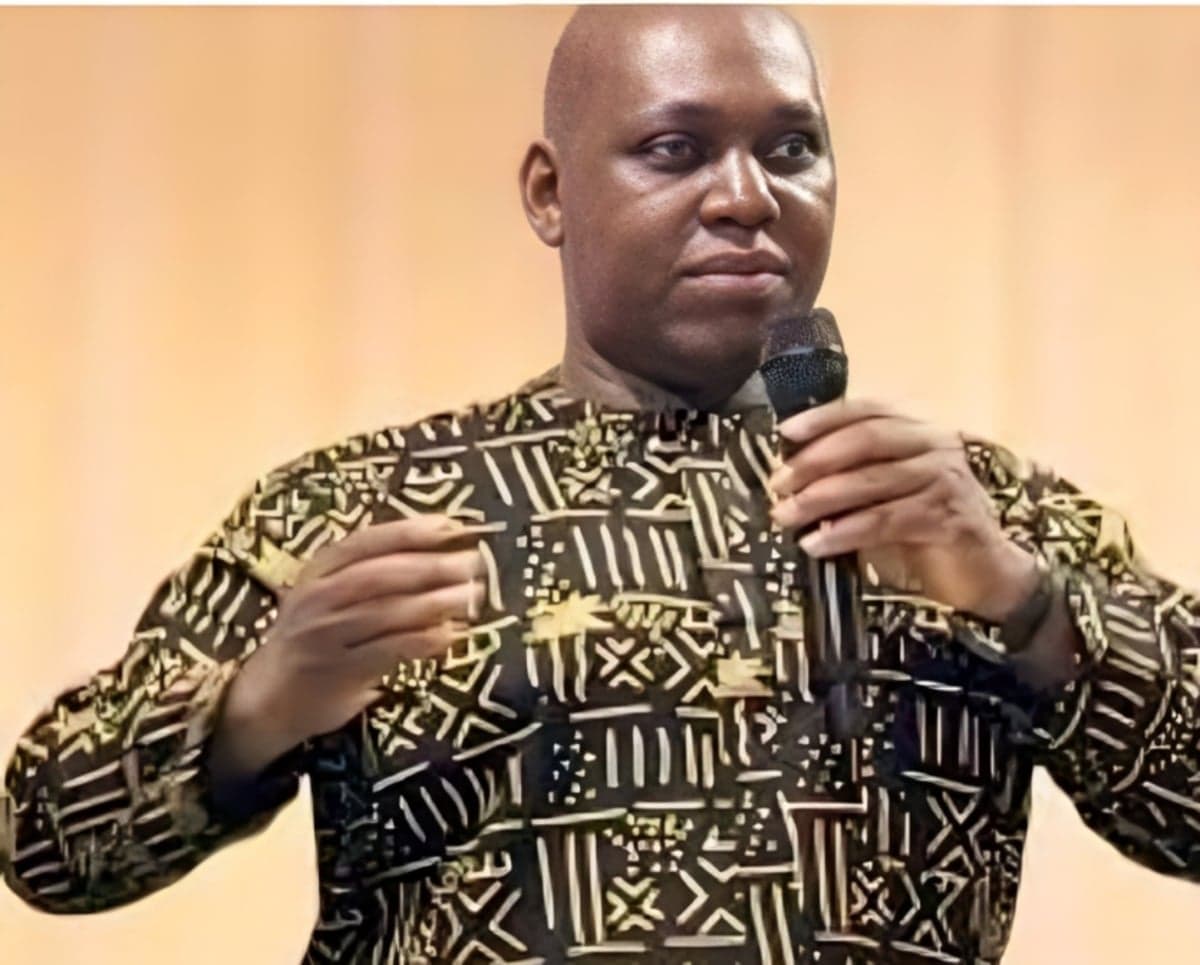
The Organisation of Trade Unions of West Africa (OTUWA) has called on governments across the subregion to commit at least five per cent of national income to social protection, warning that millions of workers remain exposed to poverty, ill health and economic hardship without adequate safety nets.
The organisation said increased funding was necessary to extend social security benefits to workers in the informal economy, who constitute the majority of the workforce in many West African countries but remain largely excluded from formal social protection arrangements.
OTUWA Executive Secretary, Comrade John Odah, made the call during a regional workshop on the ECOWAS Framework on Social Protection and its Operational Plan (2024–2028), organised in collaboration with the Danish Trade Union Development Agency (DTDA) in Abuja on Monday.
Odah, who said Nigeria currently devotes less than one per cent of its Gross Domestic Product (GDP) to social protection, argued that governments must substantially increase their investments to ensure that vulnerable citizens can access essential services and live with dignity.
“In Nigeria, for instance, less than one per cent of our gross domestic product is devoted to social protection. We believe that at least five per cent of our gross national product should be allocated to social protection,” he said.
He challenged governments to look beyond workers in formal employment and develop interventions that would reach millions of people whose livelihoods are not protected by conventional social security systems.
“Many formal-sector and private-sector organisations already provide benefits such as maternity protection and health insurance for their employees. The challenge is that these arrangements largely benefit people in formal employment.
“What happens to those who are not in formal employment? What happens to the millions of people working in the informal economy who do not have access to these protections?” he asked.
Odah said the ECOWAS framework offered trade unions an opportunity to push for policies that respond to the realities of vulnerable populations, including people unable to afford medical treatment, decent meals and adequate housing.
He noted that although governments, including Nigeria’s, allocated resources to humanitarian interventions, questions remained about whether the assistance reached those who genuinely needed it.
“This is where trade unions and other relevant organisations must engage with the ECOWAS Framework on Social Protection and its Operational Plan. We must use the framework to strengthen social dialogue and ensure that governments introduce and expand social protection measures that address people’s actual needs,” he said.
The OTUWA executive secretary identified health insurance, old-age pensions and decent shelter for people unable to afford housing as essential protections that governments should prioritise.
He argued that social security should not be treated merely as an additional financial burden on governments, but as a necessary intervention to prevent extreme poverty and protect people from destitution.
In her address, OTUWA Acting President, Comrade Sophie Kourouma, said West Africa continued to lag behind other regions in social protection coverage, stressing the need for trade unions and civil society organisations to participate actively in implementing the regional framework.
Kourouma disclosed that only 16 per cent of the population in West Africa enjoyed at least one social protection benefit, compared with the African average of 19.1 per cent.
She described the ECOWAS Framework on Social Protection and its Operational Plan for 2024–2028 as an important regional policy instrument for strengthening and expanding social protection systems across member states.
According to her, the two-day workshop was designed to identify strategic opportunities for trade unions and civil society organisations to influence the implementation, monitoring and evaluation of the framework at national and regional levels.
She said participants would also examine the connections between social protection, climate change, just transition and gender equality, while developing practical action plans to advance social protection advocacy in their respective countries.
The OTUWA president emphasised that the workshop must produce concrete strategies for engagement rather than end with discussions alone.
Also speaking, the Head of the DTDA Sub-Regional Office in Lomé, Togo, Liliane Napoe, said the low level of social protection coverage and public investment in West Africa represented a serious challenge for workers, particularly those in the informal economy.
Napoe said only about 16 per cent of West Africans received at least one social protection benefit, while public spending on social protection averaged less than one per cent of GDP.
She said the situation required trade unions to move beyond policy discussions and become active participants in ensuring that governments translated regional commitments into tangible benefits for workers.
“For trade unions, this framework is both an immense opportunity and an urgent call to action. Regional policies require the robust, early engagement of workers’ legitimate representatives,” she said.
She added that trade unions must play key roles in national implementation, strengthen their institutional capacity and develop strategies to hold governments accountable for their commitments.
Napoe also called for social protection policies that recognise the particular vulnerabilities of women, informal workers, migrant workers and communities whose livelihoods are threatened by climate change.
She noted that climate shocks directly affected informal livelihoods in agriculture and coastal economies, making adaptive social protection systems and a just transition increasingly important.
The DTDA representative further stressed the need to protect cross-border informal traders and migrant workers within the ECOWAS region, arguing that regional freedom of movement should go hand in hand with access to social security.
The workshop brought together trade union leaders, social protection specialists, women’s committee representatives and young trade unionists from Benin, Ghana, Guinea, Mali, Nigeria, Senegal and Sierra Leone.
WATCH TOP VIDEOS FROM NIGERIAN TRIBUNE TV
- Relationship Hangout: Public vs Private Proposals – Which Truly Wins in Love?
- “No” Is a Complete Sentence: Why You Should Stop Feeling Guilty
- Relationship Hangout: Friendship Talk 2025 – How to Be a Good Friend & Big Questions on Friendship
- Police Overpower Armed Robbers in Ibadan After Fierce Struggle