
Dubai: Foreign nationals living in the UAE who need a visa to visit the Philippines can now apply through a new electronic visa (e-Visa) service launched by the Philippine Consulate General in Dubai, making it easier to plan holidays, business trips, and other short visits.
The consulate has begun issuing e-Visas on October 26, following a two-week beta-testing period. The service covers eligible applications for tourism, business, conferences, medical treatment, and other short-term visits, removing the need for applicants to appear in person as part of the standard application process.
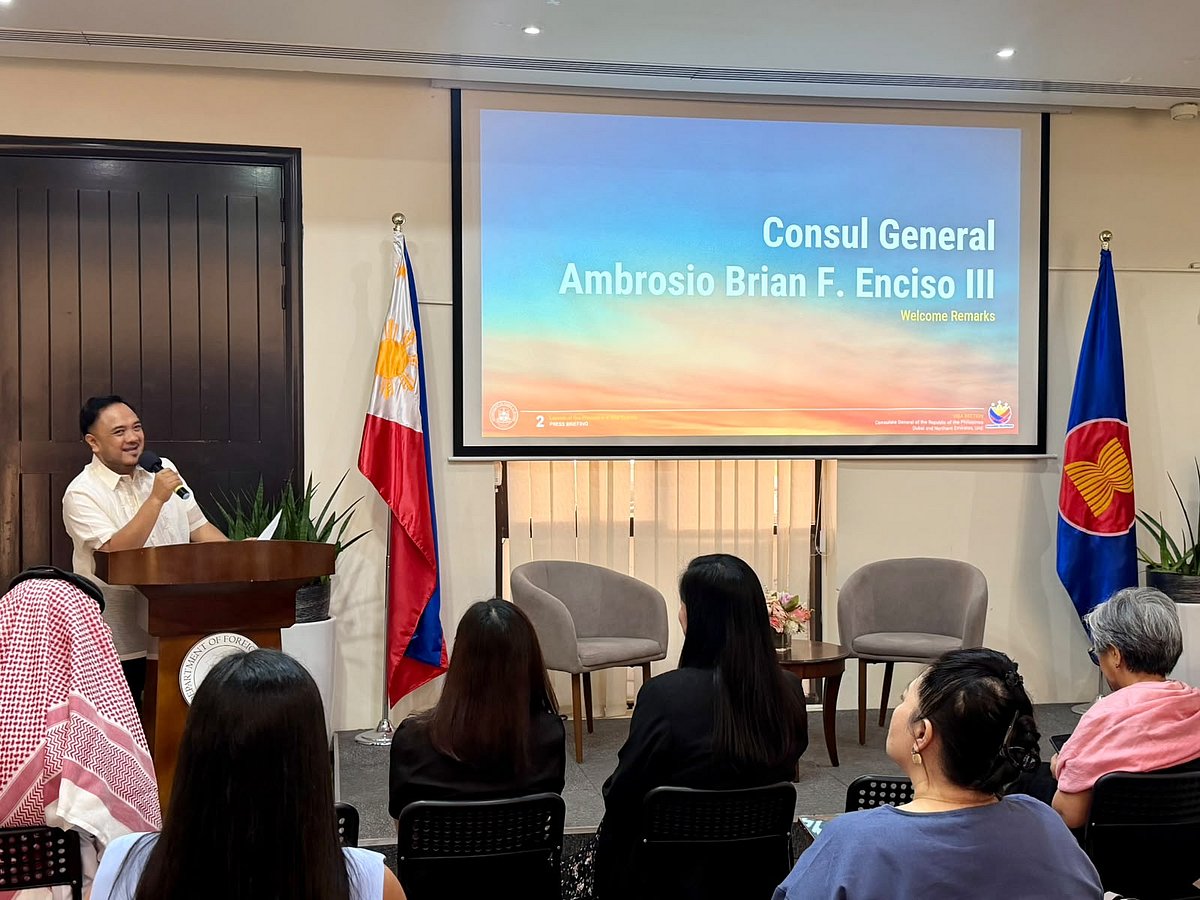
Ambrosio Brian Enciso III, consul general of the Philippines in Dubai and the Northern Emirates, has noted that the launch was part of the Philippine government’s wider efforts to modernise public services.
Get updated faster and for FREE: Download the Gulf News app now - simply click here.
“We hope that the system will make travel to the Philippines faster and more accessible, especially for those who want to travel to the Philippines purely for tourism,” remarked Enciso during a press briefing at the consulate on October 26.
The Philippine e-Visa system was soft-launched by the Department of Foreign Affairs in August 2023 and has since expanded to selected diplomatic missions worldwide. The Philippine Embassy in Abu Dhabi has started issuing e-Visas in March last year, with Dubai now joining the programme.
Personal appearance no longer required
The new service has been intended to make the Philippines more accessible to eligible foreign nationals living in the UAE, particularly those planning short holidays.
The Philippines requires citizens of 37 countries to obtain an entry visa before travelling. At the Dubai consulate, applicants commonly include nationals of Bangladesh, India, Iran, Iraq, Egypt, Lebanon, Palestine, Pakistan, Sri Lanka, Sudan, Syria, Ukraine, and Yemen.
“The requirements are the same but we took one important thing out which is the personal appearance, which was a hindrance to a lot of people,” shared Enciso.
He has bared that Dubai’s international population presented an opportunity to attract more visitors to the Philippines, particularly as social media has helped bring the destination to the attention of younger travellers.
“If you want to see the Philippines for a few days, this is a very good option. And options are important.”
Visa validity, fees, and processing times
The online system covers eligible 9(a) temporary visitor visas for tourism, business, conferences, medical treatment, and other short-term purposes.
The e-Visa is valid for seven up to 59 days, depending on the applicant’s nationality and travel requirements. Visas issued through the official electronic platform are non-extendable and non-convertible.
A single-entry visa costs Dh260 and generally takes seven to 12 working days to process. A six-month multiple-entry visa costs Dh420, while a one-year multiple-entry visa costs Dh580. Processing for multiple-entry visas takes between 15 and 40 working days.
The approval for multiple-entry visas still comes from Manila, and processing times depend on the relevant authorities.
The consulate will continue issuing conventional sticker visas alongside the e-Visa system. Travellers who need a visa category or arrangement not covered by the electronic service may still need to use the existing application process.
Documents and requirements remain unchanged
Although applications can now be submitted online, the consulate has retained the existing documentation requirements.
Applicants must provide a recent identification photograph, a passport valid for more than one year, and a valid UAE residence visa. An original no-objection certificate bearing a wet stamp is also required.
Tourist applicants must submit three months of bank statements with a wet or digital stamp, showing a maintained balance of more than Dh5,000 each month. A tentative return flight booking and hotel reservation are required. Alternatively, applicants may provide a letter from a legal Filipino relative, together with the relative’s identification and signature.
Business applicants must submit a notarised invitation letter from the Philippines and identification bearing the relevant signature. Where applicable, proof of Filipino family ties, such as a marriage or birth certificate and the relative’s identification, must also be provided.
Applicants must include details of previous Philippine visas, where applicable, and their travel history covering the past two years.
The consulate has advised applicants to ensure that their documents are complete and accurate before submission, as the introduction of the online platform does not remove the existing assessment process.
Applications will still be reviewed by officials
Enciso has stressed that the e-Visa system would not result in automatic approvals.
“The visa processing system will rely still on the visa processing that we have done, the system in place is still the same. We will evaluate the documents as they are submitted to us,” stated Enciso.
Answering a question from Gulf News about the security of personal information submitted through the online platform, the consul general has mentioned that it is protected by security protocols similar to those used for passport applications.
On the possibility of applicants providing false information, Enciso has emphasised that there was an expectation that applicants would not misrepresent themselves. He has warned that misrepresentation could lead to removal or blacklisting.

An e-Visa does not guarantee entry
Holding a Philippine visa does not automatically guarantee admission into the country.
“The principle involved here is the possession of a Philippine entry visa does not guarantee entry into the country,” explained Enciso.
Consular section head and vice consul Paola Belle Ebora has pointed out that the Bureau of Immigration is responsible for safeguarding the country’s borders.
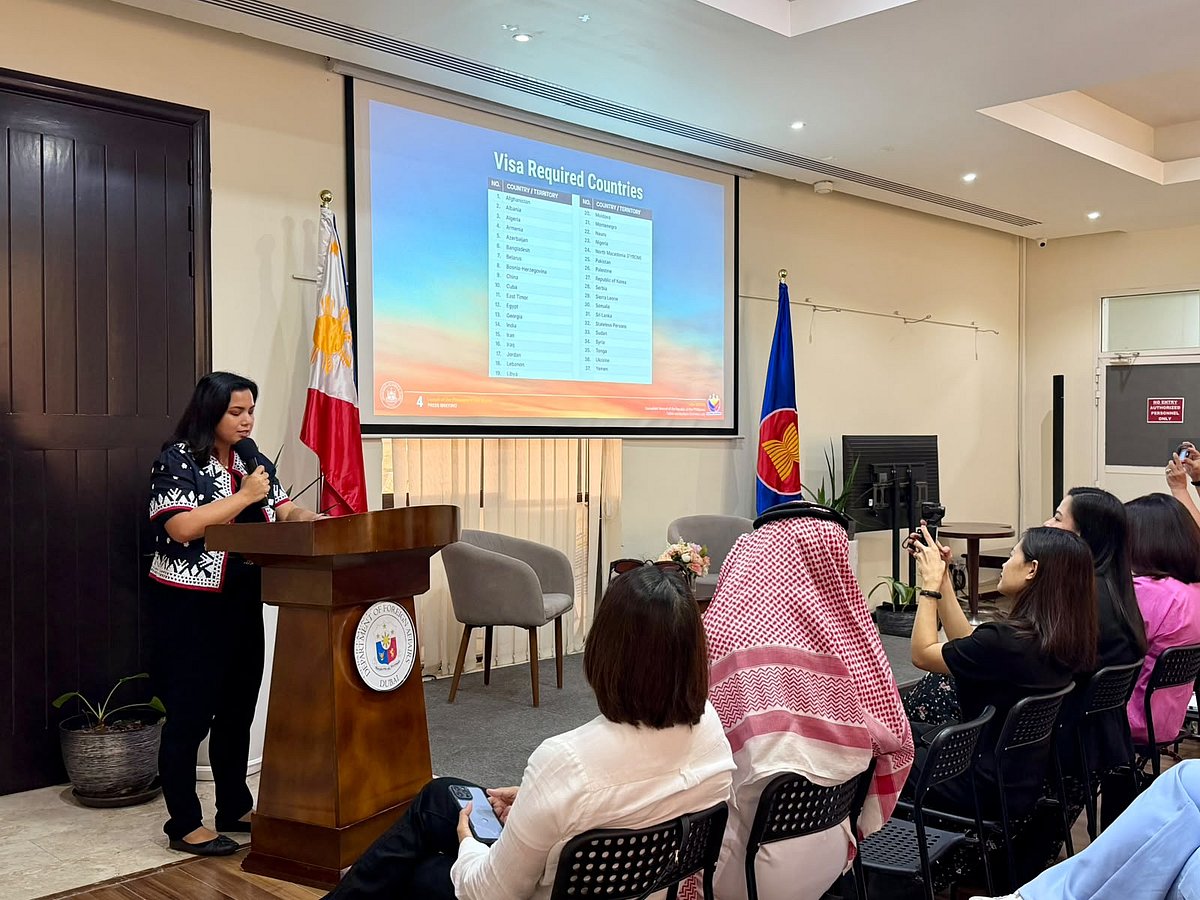
“Maybe a concern would be what if this person should not be entering the Philippines? In that matter, it’s the Bureau of Immigration that safeguards our borders,” said Ebora.
Enciso has hoped that future developments would allow for more systems to capture biometric information and improve integration with the systems of other countries.
e-Travel registration remains mandatory
Travellers heading to the Philippines must also complete registration through the Philippine e-Travel system within 72 hours before arrival.
Registration is free of charge and is separate from the visa application. Travellers should complete the process before departure to help avoid delays or issues during border checks.
The e-Visa simplifies the visa application process but does not replace other travel requirements.
Visa-free entry for Indian and Chinese nationals
Indian nationals have been eligible for visa-free entry to the Philippines for tourism or business for up to 14 days since June 2025. The stay is non-extendable and non-convertible. Indian nationals travelling for longer stays, study, employment, or transit must still obtain the appropriate visa before travelling.
On the other hand, Chinese nationals have also been eligible for visa-free entry for tourism or business for up to 14 days since January this year. The stay is non-extendable and non-convertible, and entry under this arrangement is restricted to Ninoy Aquino International Airport in Manila and Mactan-Cebu International Airport in Cebu.
Travellers should confirm the requirements applicable to their nationality and purpose of travel before booking flights.
The launch of the e-Visa service gives eligible UAE residents a more convenient way to apply for Philippine visas, while keeping the existing documentation requirements, application assessments, and immigration safeguards in place.