
With polls predicting a close race in Israel's general election, Prime Minister Benjamin Netanyahu appears to be throwing everything he can at the electorate to win.
With tensions sky-high at home and in the Middle East, he is playing a dangerous game. Here are six of the most controversial things Mr Netanyahu has done to try to bolster his support in recent days.
'Second Holocaust’ if opposition wins
Mr Netanyahu posted an AI-generated image of a nuclear strike on Tel Aviv on X on Sunday, with a caption warning of a “second Holocaust” if he is not re-elected. The warning comes despite Mr Netanyahu previously boasting that Israel and the US secured a “historic victory” over Iran that crippled its nuclear programme.
Opposition politician Naftali Bennett, a former prime minister, said that Mr Netanyahu was scaremongering and telling Israelis that “if he loses we’ll all die − that’s a lie”.
Hours after the prime minister’s post, reports emerged of an “unprecedented confrontation” between him and the military Chief of Staff, Eyal Zamir, who was reportedly resisting Mr Netanyahu’s attempts to begin unspecified military action in recent days.
Later, CNN reported that Mr Netanyahu had been pushing for a joint US-Israeli strike on Iran before the Israeli elections, which US President Donald Trump did not approve. Opposition front-runner Gadi Eisenkot backed Mr Zamir on Sunday, saying he had “full trust” in the military.
West Bank escalation
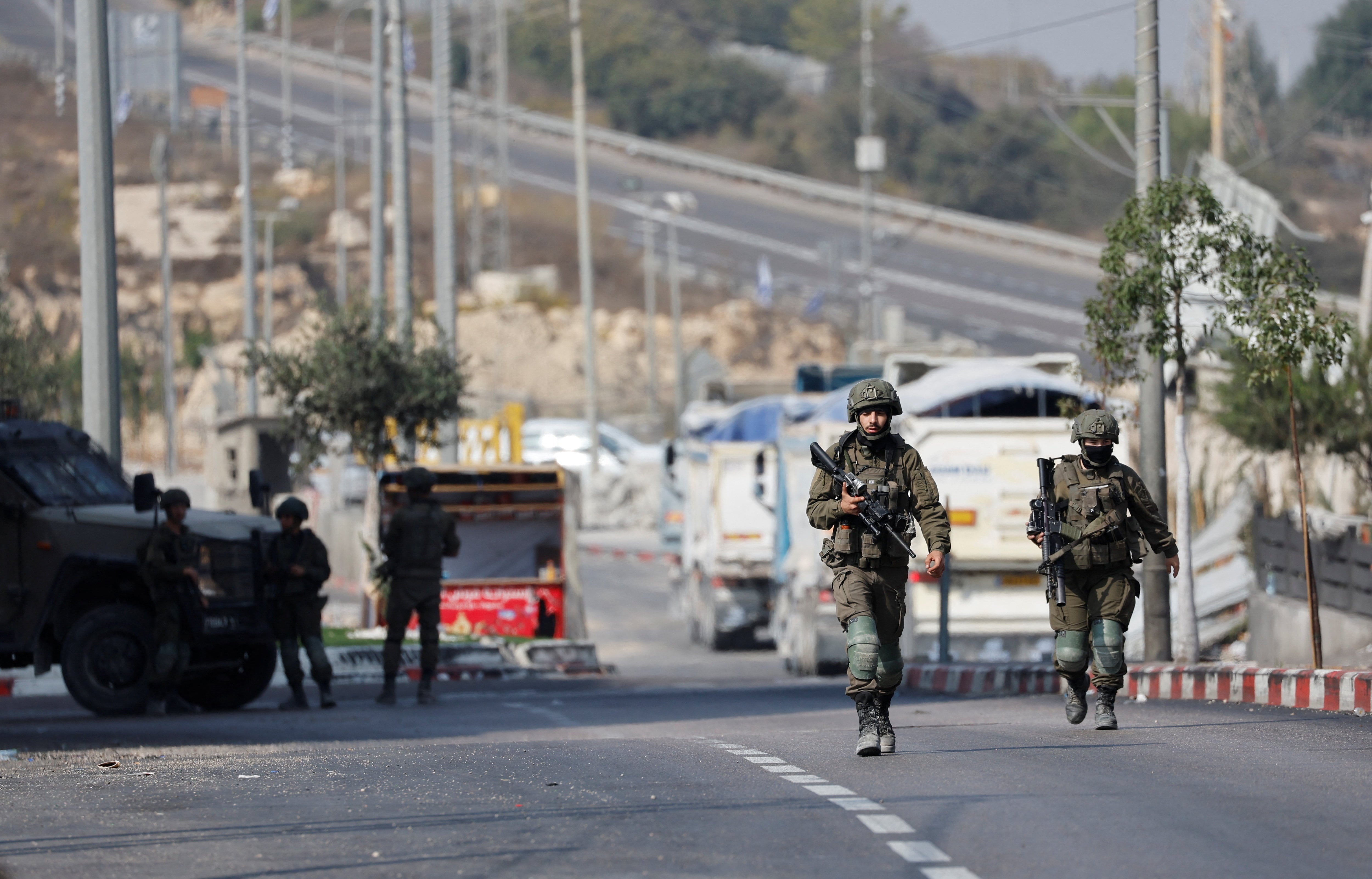
After an attack that killed two Israeli soldiers in the occupied West Bank city of Hebron on Friday, Mr Netanyahu ordered a large military operation, presented in his usual apocalyptic language.
Many analysts in Israel argue that security escalations before elections often favour the sitting government. Many of Mr Netanyahu's supporters have long called for greater military action in the West Bank.
The Palestinian Authority, which is supposed to control parts of the West Bank, says the operation has so far displaced almost 2,700 people. Israeli officials are boasting of using the same draconian tactics as they did during the destruction of refugee camps last year.
There are signs that the operation is not impressing voters as much as Mr Netanyahu might have hoped. The Israeli broadcaster Kan reported that soldiers involved in the operation say they are “sitting in ambushes and doing nothing,” accusing the government of ordering the assault for political reasons.
“We conducted searches, looked for weapons, found what we found, it's over. Now we're just wasting time,” an anonymous soldier told the outlet.
A sanctions-proof economy run on cryptocurrency
On Friday, Mr Netanyahu suggested Israel should start using cryptocurrency and blockchain technology to resist sanctions linked to the West Bank. The idea was panned by the Bank of Israel, which said that such technology “cannot be used as a route for bypassing sanctions”.
“The right thing for Israel’s economy is preserving the economic relationships with our principal trade partners” and preventing sanctions, the central bank added. More than 100 top economists and business leaders also condemned the idea.
Mr Eisenkot described the idea as a threat to national security. “After he finished dismantling Israeli society and weakening the [Israeli military], Netanyahu has marked the next target: the dismantling of the Israeli economy for generations ahead,” he added.
Another Trump endorsement
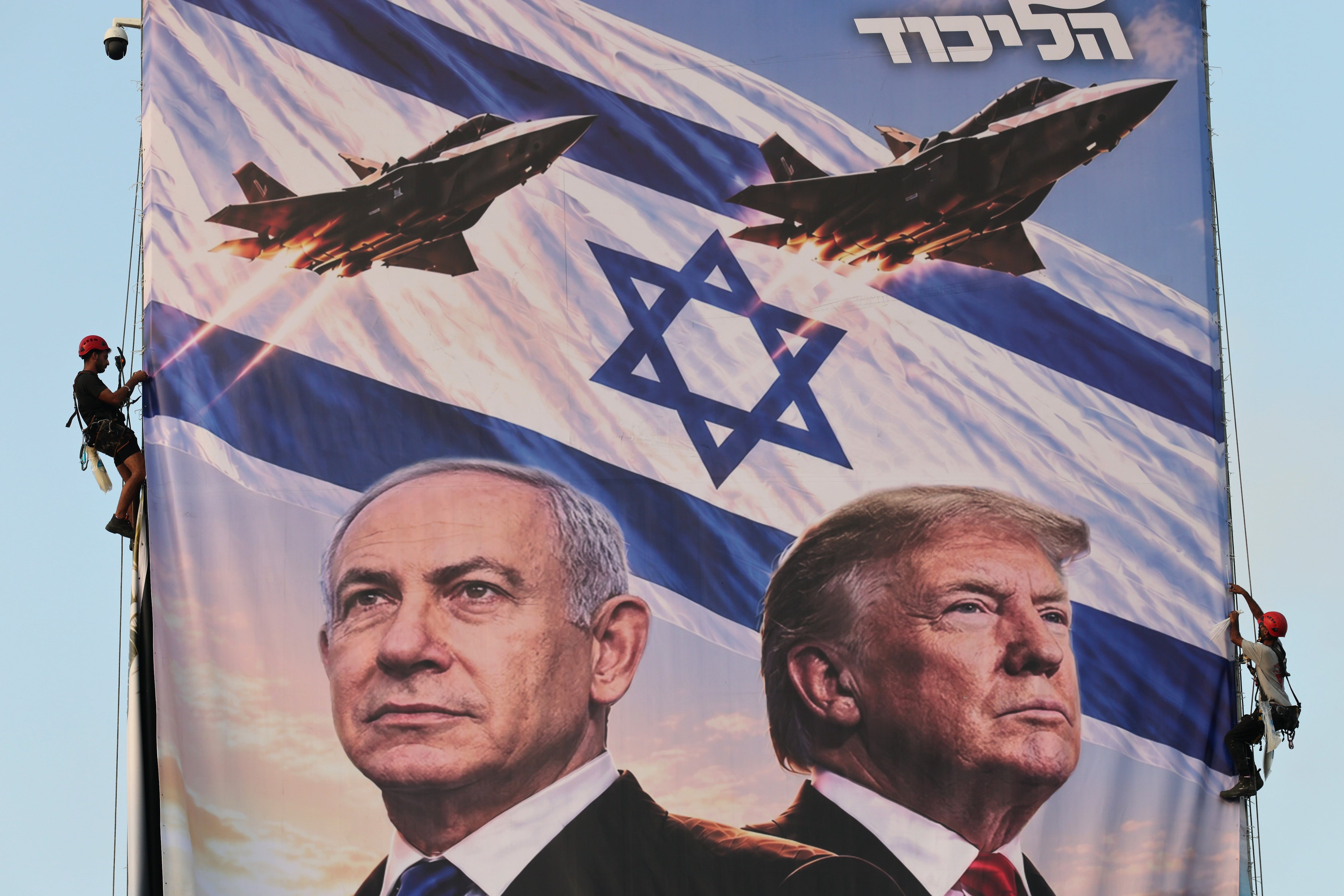
Late on Sunday, Mr Netanyahu secured a second endorsement from Mr Trump, who said that Israel and the US need to “finish the job” in Iran.
“To the people of Israel, to those who haven’t seen it, I am attaching the endorsement I gave one week ago to your Prime Minister, Bibi Netanyahu,” Mr Trump wrote on Truth Social. “As everyone is aware, including the enemy, Bibi and I have had a great relationship in winning together,” he said, using a nickname for the Israeli Prime Minister.
Mr Netanyahu regularly lauds what he describes as his uniquely close relationship with Mr Trump, while criticising his opponents by saying they are not experienced enough to manage the relationship with the US, which is crucial to Israel.
Police chief meeting
Mr Netanyahu enraged the opposition by meeting far-right National Security Minister Itamar Ben-Gvir and Police Chief Commissioner Daniel Levy, which Israel’s Attorney General initially said should not be permitted.
Israel’s Central Elections Committee eventually allowed the meeting, on condition that nothing about the process of elections be discussed, for fear of unfairly influencing the outcome of the vote. Opponents of the Prime Minister accuse him of trying to raise doubt about the result of the election by stoking fears of a left-wing conspiracy to undermine the right-wing vote.
On Monday, the Israeli outlet Haaretz reported that Mr Netanyahu expressed concern about demonstrations by “left-wing anarchists” on election day, despite the CEC’s ban on such topics.
Pressure on rivals to quit
There was further outrage after footage emerged that appeared to show Mr Netanyahu and his associates making a deal with an ultra-Orthodox rabbi who is accused of sexually abusing children. The Prime Minister had been trying to get the rabbi’s small political party to withdraw from the race, in a bid to secure more votes for Mr Netanyahu’s bloc.
The video appeared to show Mr Netanyahu offering Achi party leader Haim Yosef Abergel a deputy ministerial position in the next government if he withdrew, which it later did.
Naftali Bennett posted on X that “the entire Jewish people must see this secret documentation”.
“A corrupt deal between Netanyahu himself and an ultra-Orthodox leader, who sells out the soldiers and serving public for a job. This is what the elections are about,” he added.