
When Lokesh Bam was unveiled on October 4 as one of nine national cricketers sponsored by Xtreme Energy Drink, he didn’t know until that day that eight others would join him on stage.
“This kind of sponsorship is what helps players,” Bam told the Post. “I think this is a result of the success Nepali cricket has achieved.”
Bam acknowledged that Nepali cricketers earn a decent salary compared to athletes in other sports in the country. Nepali men’s cricketers earn between Rs35,000 and Rs150,000 per month based on their categories. They earn an extra fee of Rs10,000 per match for Twenty20 International matches and Rs15,000 per match for One Day International matches.
“But it is still low when compared to what cricketers earn in other countries,” he said. “And this gap is filled by sponsorships.”
How much that gap-filler is worth is something neither the players nor the brand is willing to say.
Launched five years ago by Agro Thai Foods Pvt Ltd — which was registered with the Office of Company Registrar in December 2019 — Xtreme now appears on the national men’s cricket team’s sleeve, on the front of seven of the eight Nepal Premier League jerseys, the country’s first franchise volleyball league, and, as of this month, on nine of its best-known cricketers. Every announcement has carried the same line: amount not disclosed.
Xtreme Energy Drink is also one of the leading advertisers in publications owned by Kantipur Media Group, including Kantipur Daily and Kantipur Television.
Players and administrators say the money from Xtreme has been welcome in the sports sector, long short of financial and institutional backing. Besides Xtreme, the company makes Max Tiger Energy Drink, Bam Bam, and Jelly Juice, and has also signed sports figures to endorse them. Max Tiger is advertised with Dipendra Singh Airee, the all-rounder nicknamed ‘The Tiger’. Diwiz Piya, coach and manager of Nepal’s MMA star Rabindra Dhant, endorses Bam Bam.
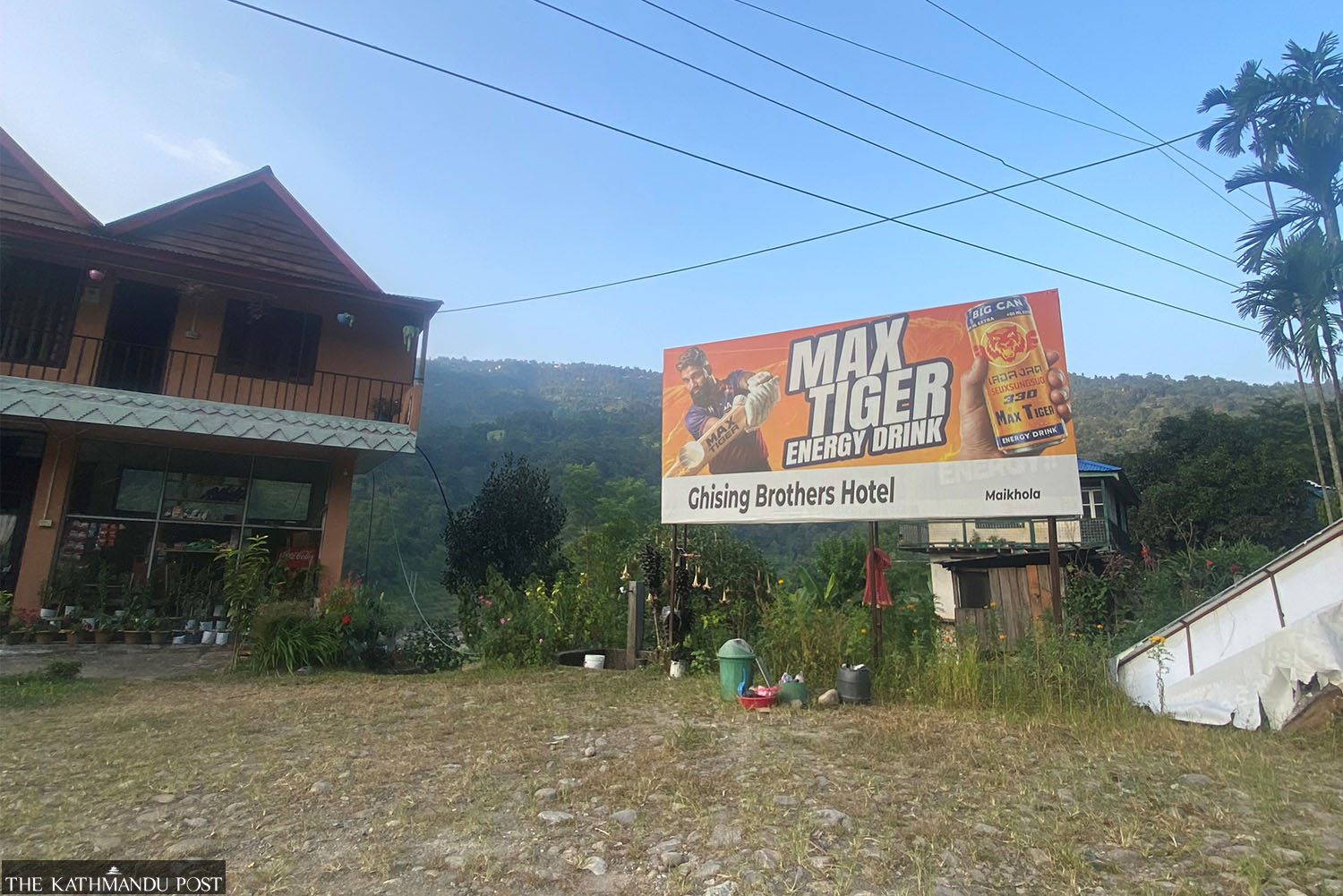
“The amount under which we reach an agreement with athletes or teams definitely compensates for the stature of the respective individual or organisation,” said Soniya Rana, business head of Xtreme. “If you only look at the men’s cricketers, we were not only planning to sponsor nine, but the whole squad travelling to Oman for the ongoing ICC CWC League 2 tri-series.”
Xtreme came close to a similar sweep of the NPL team sponsorships. Except for Sudurpaschim Royals, which is sponsored by Red Bull, the other seven franchises (Biratnagar Kings, Janakpur Bolts, Kathmandu Gorkhas, Lumbini Lions, Chitwan Rhinos, Pokhara Avengers and Karnali Yaks) will wear Xtreme at the centre of their jerseys in the league’s third season, which begins on October 26.
“The other team had already reached a deal with other brands before we could get them,” Rana said. “We wanted to have all the teams wear our logos up front.”
Xtreme is not the only brand that wants to be seen. Still, it has come to dominate sports sponsorship in Nepal, with deals in volleyball, football, and esports. NPL franchise executives say few Nepali brands can match what Xtreme spends.
“In the first season, searching for sponsorships was like being in a fish market,” said Niroj Khatiwada, chief executive officer of Janakpur Bolts. “We also did not know how much to ask and expect. We learned something in the second season, and it was more professional. Coming to the third season, many things have changed and improved in the sponsorship sector.”
According to Khatiwada, the price of a franchise’s title sponsorship has risen by at least 100 percent since the second season.
“On average, a title sponsorship with an NPL franchise is around Rs20 million,” Khatiwada said. “Through the eyes of a franchise, we expect the overall sponsorship amount to help cover the cost of players, including overseas icons. For operational costs, the revenue from NPL is working out for now.”
Khatiwada said he expects sponsorship amounts to rise sharply in coming seasons as interest in the NPL grows at home and abroad. Asked whether Xtreme’s dominance helps the franchises, he said it cuts both ways. “It will allow franchises to bargain better. We can say to the sponsor that you gave this much to this franchise, and question why only this much to us,” he said. “I believe once multinational brands start searching for sponsorship slots in the NPL, this sponsorship race will be different than it is now.”
Former sports officials say brands have long competed to sponsor Nepali sport.
“Private entities have always wanted to sponsor sports events because they see a good return from there. In the end, it is good for sports,” said Tanka Lal Ghising, former member secretary of the National Sports Council. “In my tenure, I also honoured those private sectors, such as Surya Nepal, Kelme and Rastriya Banijya Bank, for their contribution. Private sectors spend more if they are well recognised for their effort. It is something that is lacking from the current leadership of NSC.”
With seven of eight franchises carrying Xtreme’s can and name on their chests, the drink will be on screen whenever a player bowls, fields or bats. For the company’s executives, that is exactly the point.
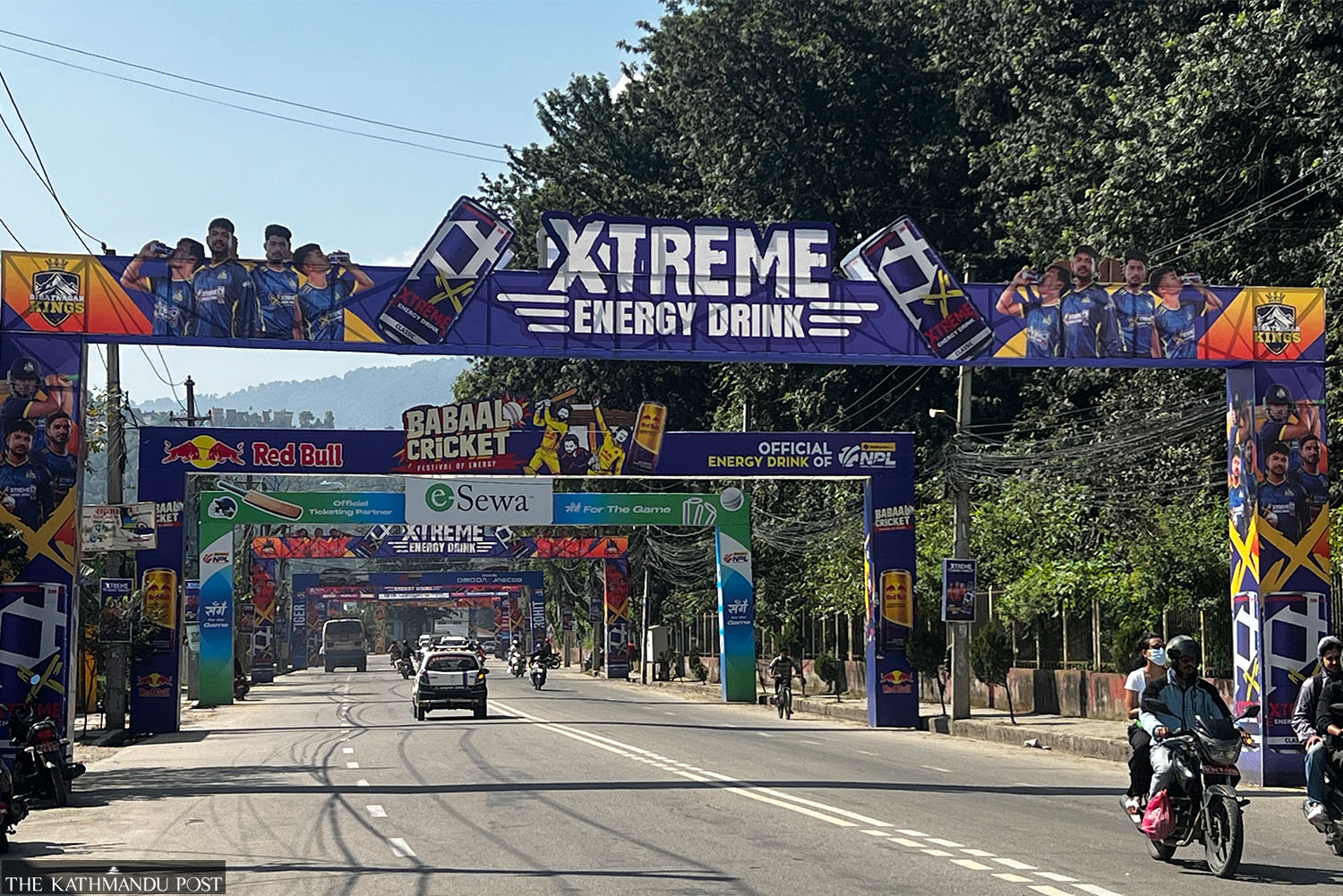
“The way we are sponsoring every possible sector and event is to make the public aware of Xtreme,” Rana said. “It is what marketing is all about. The more people see Xtreme’s advertisements, the more they get keen on the product.”
There are some signs it is working.
“There were times when people used to seek only Red Bull,” said a receptionist at Hotel Dhaka Topi Restaurant and Bar, inside Birtamod’s Heaven Water Park. “Now, people come and directly ask for Xtreme.”
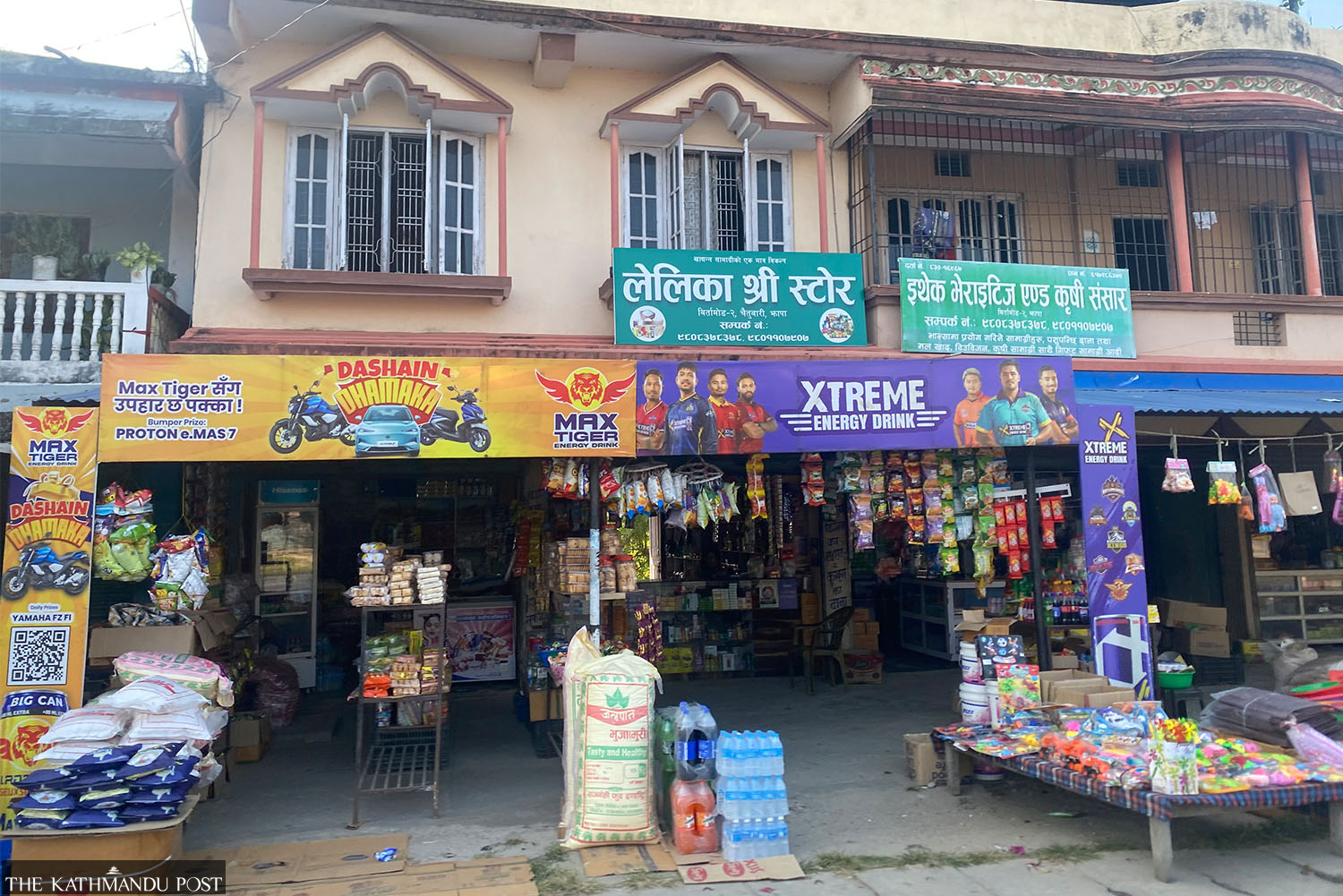
In eastern Nepal, Xtreme’s flex banners hang in front of almost every restaurant and grocery store, from Tarai cities to shops in the hill and mountain districts.
Marketing experts say sports has become a major platform for brands to advertise in recent years.
“The viewership in sports is huge, and when brands spend handsomely, it benefits both parties,” said Punam Singh, vice president at Nepalese Marketing Association. However, she cautioned that a brand like Xtreme should plan for the long term.
“There have been concerns raised over Xtreme’s impact on health,” she said. “What will happen to the brand if the government brings stricter policies for energy drinks and what they can sponsor?”
Until a decade ago, Nepal’s sponsorship scene, including in the sports sector, was dominated by alcohol brands. After they were prohibited by the state — officials cited health hazards even though they can be purchased anywhere and there is no age limit — Nepali sports struggled for advertising money. Now, Xtreme is filling that gap almost single-handedly.
In response to the criticism over high sugar content in energy drinks, Rana claimed that Xtreme is a quality energy drink and there is no need to be concerned about its effect on health.
Xtreme is not the only energy drink in the Nepali market. There is Red Bull, which is also a primary sponsor of the NPL. It has its loyal drinkers and remains visible in some sports events, though not as aggressively as Xtreme.
For instance, while Xtreme was expected to monopolise volleyball — sponsoring the teams of Nepal Police Club to the first edition of Nepal Volleyball League — it was Red Bull that bagged the deal with Everest Women’s Volleyball League. After two successful seasons, the league announced a three-year title sponsorship deal with Red Bull on October 18.
“It comes down to the individual alignment of the tournament,” said Snevy Chapagain, chief executive officer of the women’s volleyball league. “Looking purely at monetary figures is one thing, but assessing whether a brand’s long-term vision aligns with the tournament is another entirely.”
“In our first two seasons, we partnered with Vatsalya IVF because their mission directly resonated with women,” Chapagain added. “Securing corporate backing — especially from women-centric brands — is no easy task in Nepal’s current economic climate. But as women's sports emerge as a high-growth sector, we are seeing forward-thinking brands step up to invest smartly.”
Xtreme says it is not affected by any of it, that it believes in its values, and does not see Red Bull as its competitor. “If you ask who our competitor is, it is Surya Nepal,” said Rana. “We want to become the No. 1 industry and the highest taxpayer of Nepal.”
And the next big sponsorship target for Xtreme is the NPL itself. When Siddhartha Bank’s five-year deal as title sponsor ends in 2028, Xtreme plans to bid.
“We wanted to be the title sponsor of NPL from the inaugural season, but we did not have a proper team then,” Rana said. “Once the deal ends with the bank, we will be there up front.”
The NPL is broadcast on Star Sports in South Asia, except Pakistan, and globally on NetTV. Overseas players including David Warner, Andre Russell, Moeen Ali, Jimmy Neesham and David Miller will carry Xtreme’s logo to audiences well beyond Nepal.
For now, cricket’s administrators are grateful.
“The way Xtreme is leading the sponsorship deals, especially in the NPL, has raised the standards of Nepali cricket,” Paras Khadka, secretary of the Cricket Association of Nepal, told the Post. “In sports, players and teams need financial stability, which comes through sponsorship. In the case of Xtreme, it is also sponsoring domestic tournaments of Nepali cricket, which has been extremely helpful for CAN.”
Whatever one’s feelings about Xtreme’s extremely aggressive marketing might be, the company is ignoring the noise and says it is only getting started. “Right now, it is just one tenth of the marketing we are doing,” Rana said. “We will get 10 times more aggressive in the upcoming period.”
Whether Nepali sport is enjoying a commercial revival or putting all its eggs in one basket can depend on actual figures — something no one has yet put on the record. Rana is more matter-of-fact about it.
“As a business, we do want to make a huge profit,” she said. “But we also want to share our profit with the community. It is what all these sponsorship deals are about. And sports is the best way to give back to the community.”