
Are these exfoliating formulas worth the hype, and does your skin actually need one? Dermatologists break down the benefits
Body care is starting to look a lot more like skincare. Ingredients we’ve come to rely on in our facial routines are now showing up in body lotions, creams, and serums, promising smoother, brighter, more even-looking skin. And alpha hydroxy acids (AHAs), particularly lactic acid and glycolic acid, are leading the way, giving the humble body lotion an upgrade. We’re talking about more than just moisturising after a shower. These formulas can help with the rough bumps on your arms, marks left behind by ingrown hairs, and that stubborn dullness that even your favourite body butter doesn’t seem to fix.
But does every skin type need this upgrade? Not necessarily.
A regular moisturiser primarily hydrates the skin, softens dry patches, and helps limit moisture loss. An AHA body lotion goes a step further by combining moisturising ingredients with chemical exfoliants that loosen the bonds between dead skin cells, encouraging them to shed, resulting in smoother-feeling skin and a more even-looking surface, with consitent use. The key is understanding what these ingredients can realistically do, and whether your skin needs that extra intervention.
“AHA body lotions are treatment-focused lotions depending on the skin condition and formulation,” says Dr Madhuri Agarwal, dermatologist and director at Yavana Aesthetics Clinic. In other words, they are not necessarily an everyday essential, but a targeted addition for particular concerns.
The case for chemical exfoliation
If keratosis pilaris (the tiny, rough bumps often found on the upper arms, thighs, and buttocks), persistent roughness, or superficial pigmentation sounds familiar, an AHA lotion may be worth considering. By accelerating the shedding of surface cells, these ingredients can help improve texture and soften the appearance of certain dark marks over time.
Lactic acid and glycolic acid are the most common acids that you will find. While both exfoliate, they have different strengths. Lactic acid is generally the gentler option and also acts as a humectant, helping attract and retain moisture. This makes it a useful starting point for dry skin or anyone who is cautious about introducing exfoliating actives. Glycolic acid has a smaller molecular size and penetrates more readily, making it a more intensive option for rough texture and some forms of uneven tone.
“Lactic acid provides a gentle feeling on the skin whereas glycolic acid may come across a little more intense,” says Agarwal. Her advice is to consider the condition of your skin rather than choosing an ingredient simply because it is trending. Dr Jaishree Sharad, a board-certified dermatologist, similarly explains that lactic acid is gentler, while glycolic acid can deliver stronger exfoliation. If your skin is dry, sensitive, or easily irritated, starting with a gentler formulation may make more sense than reaching for the highest concentration on the shelf.
Can it help with body pigmentation?
Body pigmentation is another reason these formulas are getting attention. Dark marks left behind by shaving, ingrown hairs, friction, or old breakouts can be surprisingly stubborn. AHAs can help gradually fade the appearance of some surface-level discolouration by speeding up the shedding of pigmented skin cells. They can also smooth the rough bumps associated with keratosis pilaris, which may make the dark marks around them less noticeable. That said, not every dark patch is caused by a build-up of dead skin cells.
“It’s important to know the cause of discolouration,” says Agarwal. She notes that some patches can be associated with underlying medical conditions, including insulin resistance, and may require further assessment rather than more exfoliation. Sharad also cautions that AHAs are not a universal solution for pigmentation. Deeper or persistent discolouration may need a different treatment approach, and excessive exfoliation can irritate the skin and potentially worsen the very concern you're trying to address. Expect gradual changes rather than overnight brightening; texture may improve before pigmentation becomes noticeably less visible.
More is not always better
One of the biggest mistakes with treatment-led body care is thinking that more actives will get you results faster. Using an AHA lotion alongside retinoids, salicylic acid products, or physical scrubs can leave your skin dry, irritated, or even burning. Both dermatologists stress the importance of taking it slow and paying attention to how your skin responds. Sharad recommends starting with one or two applications a week and increasing frequency only if your skin tolerates it well.
Avoid applying AHA lotions to cracked, injured, freshly shaved, or already irritated skin, and remember to use sunscreen on exposed areas, as AHAs can make your skin more sensitive to the sun. If you notice persistent redness, itching, burning, or peeling, stop using the product and stick to a simpler routine until your skin settles. “If skin is healthy and well hydrated, it is sufficient to use a regular sunscreen and moisturiser,” says Agarwal.
The thing to remember is that an AHA lotion is a targeted treatment, not something everyone needs to add to their routine. If you're dealing with rough texture, keratosis pilaris, or superficial pigmentation, it might be worth trying. But if your regular moisturiser is doing the job, there's no reason to complicate things just because another ingredient is trending. Good skincare isn't about using as many products as possible. It's about figuring out what your skin actually needs.
Below, we've listed some of our favourite AHA body lotions.
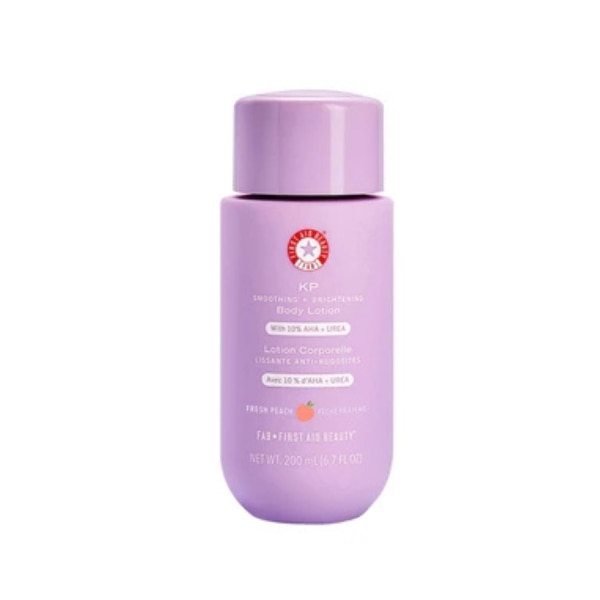
KP Smoothing + Brightening Body Lotion Fresh Peach, ₹4,200
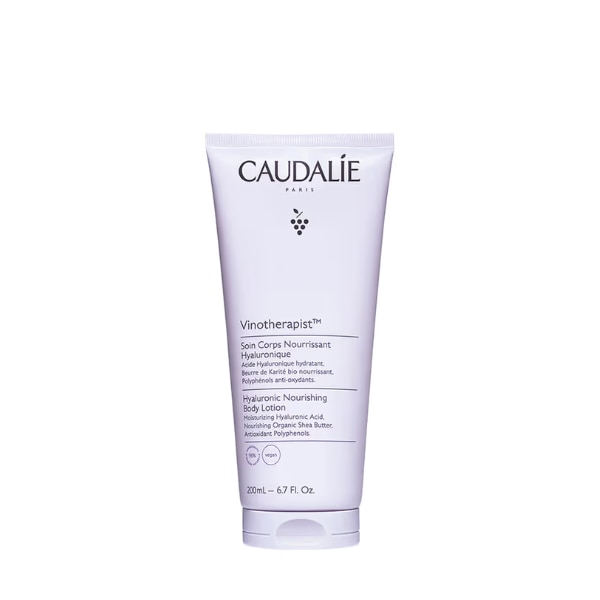
Caudalie Vinotherapist Hyaluronic Nourishing Body Lotion, ₹2,200
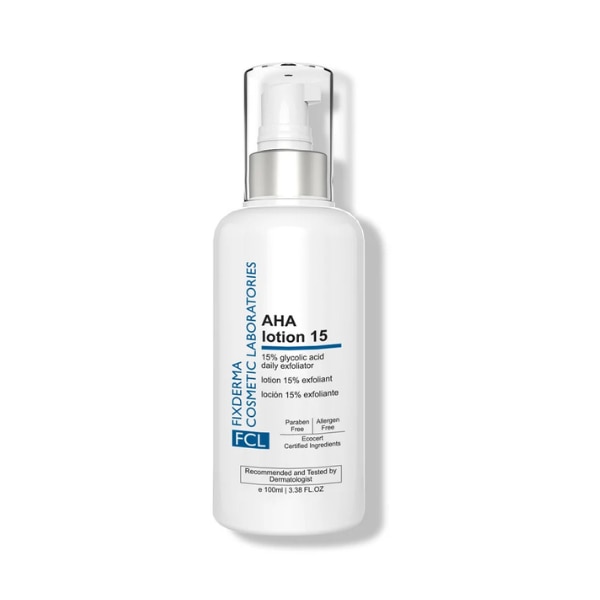
FCL AHA Lotion 15, ₹1,350
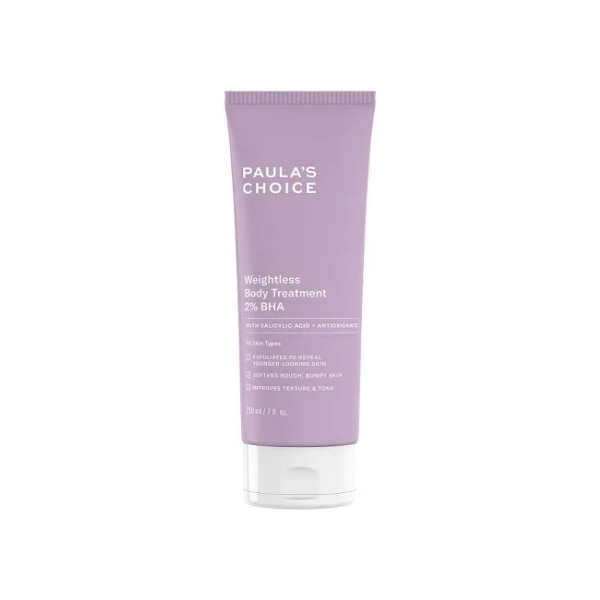
Paula's Choice Weightless Body Treatment 2% BHA Exfoliant, ₹2,850
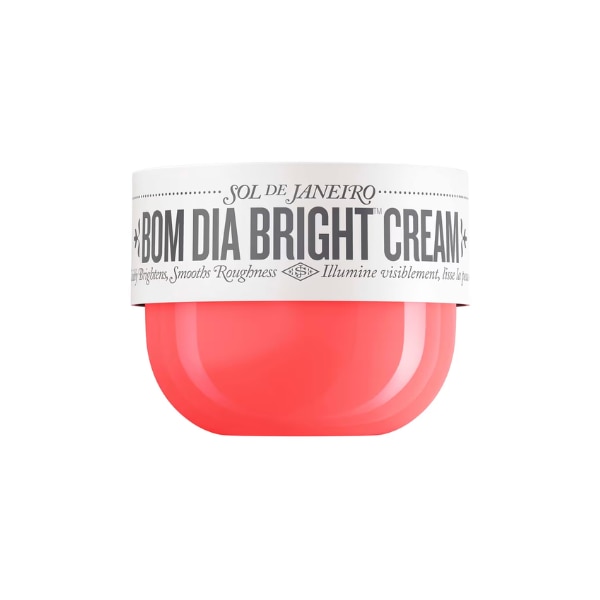
Sol de Janeiro Bom Dia Bright Cream, ₹5,380
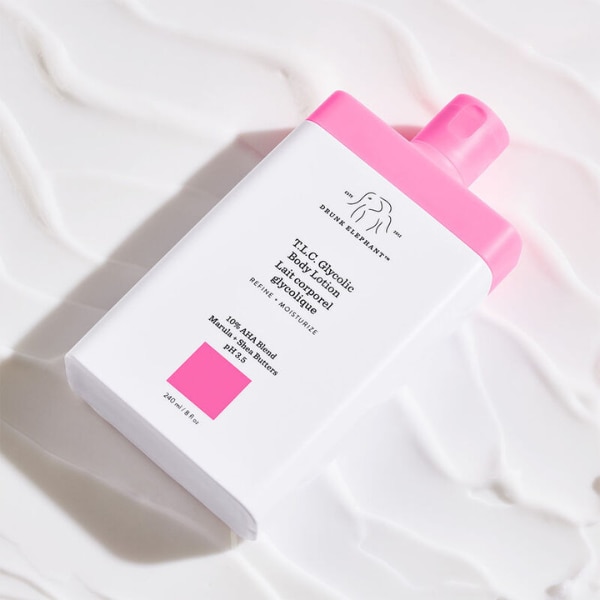
TLC Glycolic Body Lotion, ₹1,999
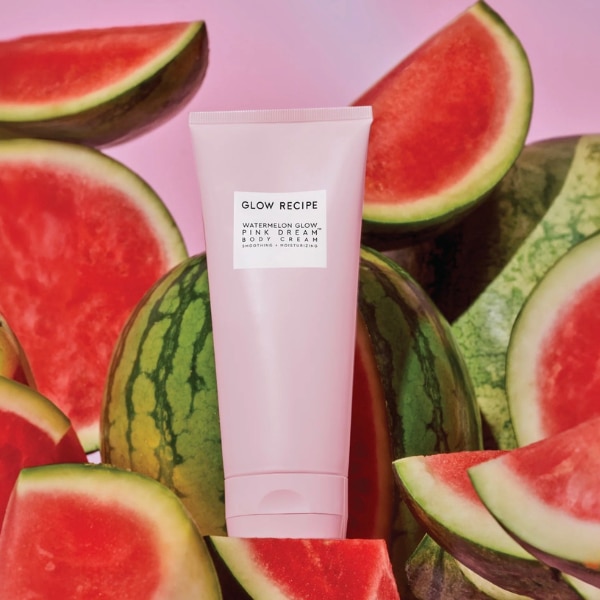
Glow Recipe Watermelon Glow Pink Dream Body Cream, ₹4,999 approx.
Lead image: Getty Images
Also read: How global beauty became India's biggest beauty trend at Amazon Beautyverse 2026
Also read: Festive, but make it frequent: How Amazon.in is redefining festive dressing for Gen Z