It’s Moonshot week! 
The PHP pandemic is sending shivers through government IT departments. On Friday, South Africa’s Presidency temporarily took its website offline after two critical PHP vulnerabilities, the programming language that powers millions of websites, were exposed before fixes were ready. The bugs, nicknamed “PHP2Shell,” could let attackers run malicious code on vulnerable servers.
Nearly 10,000 Internet-facing servers in South Africa ran PHP, so the safest move, at least temporarily, was to pull the plug. But we wonder whether the sites will come back running patched PHP, or if government IT bros are about to have a few sleepless nights.
Let’s dive in.
Read smart insights about Francophone Africa’s tech ecosystem—weekly.

Banking
Banque du Caire’s IPO gets much bigger
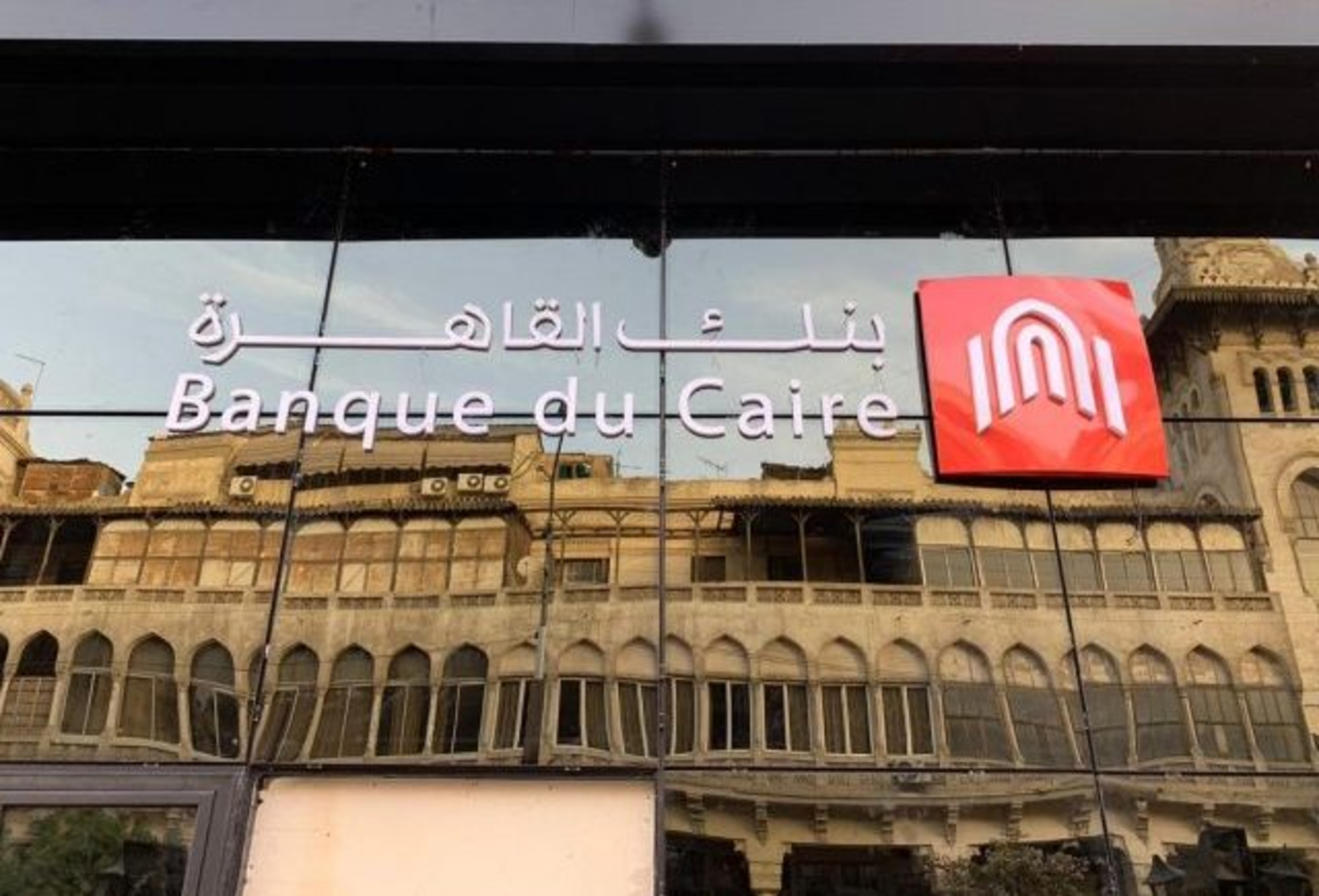
After MNT-Halan’s successful public outing, heads are already turning elsewhere in Egypt. The country offered investors more shares of Banque du Caire. They still wanted more.
What happened? Banque Misr, the state-owned parent of Banque du Caire, Egypt’s sixth-largest commercial lender, has now confirmed it will sell 45% of the bank, up from the 30% originally planned. At the expected EGP 5.30 ($0.1) offer price, the sale would raise about EGP 36.4 billion ($680 million), making it Egypt’s largest initial public offering (IPO) in the last five years.
Demand appears strong. The institutional book was reportedly about six times oversubscribed, while the European Bank for Reconstruction and Development (EBRD) and the International Finance Corporation (IFC) have each agreed to buy up to 15.74% of the private placement.
Catch up: We wrote last week that Banque Misr was considering increasing the sale to 45% after investor roadshows drew stronger-than-expected interest. Egypt’s Financial Regulatory Authority (FRA) has now approved the increase.
The IPO is still entirely secondary. Banque du Caire gets none of the money. Banque Misr is selling existing shares and will retain 55% of the bank.
Between the lines: Increasing an IPO by half and still pricing at the top of the range is a useful demand signal. But price matters too. Two brokerages value Banque du Caire at EGP 6.55 ($0.12) and EGP 7.80 ($0.15) per share, respectively, above the expected EGP 5.30 ($0.1) offer price.
Investors are not simply making a macro bet on Egypt. They are being offered a large bank at a price some analysts still consider discounted.
Zoom out: Egypt needs close to $1 billion more in asset sales to meet a $1.5 billion divestment target tied to its International Monetary Fund (IMF) programme. Banque du Caire gives that programme something valuable beyond the proceeds: evidence that the state can put a large asset on the market, increase the supply, and still find buyers.
The next test comes when trading begins. Oversubscription tells us investors wanted Banque du Caire at the offer price. The market will tell us what they think it is actually worth.


Upgrade your business today
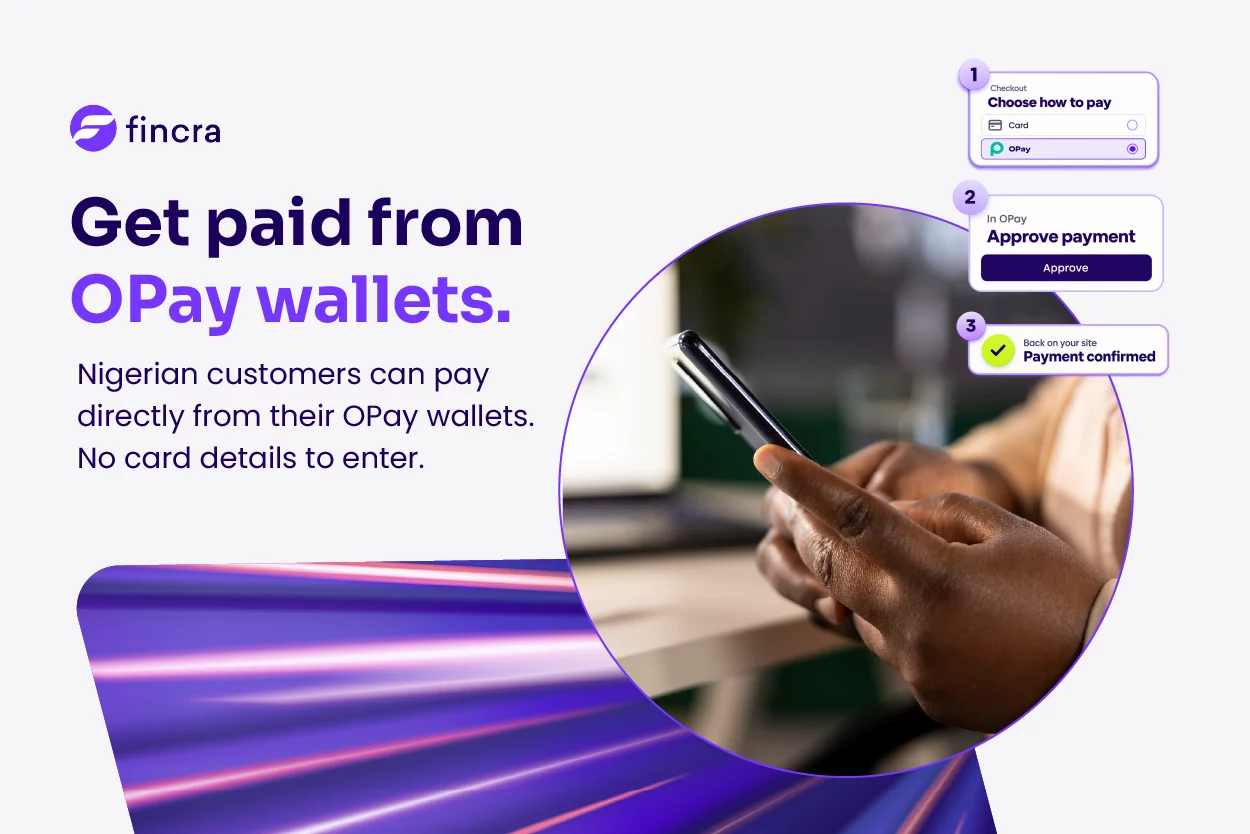
Pay with OPay is live on Fincra. Customers approve payments straight from their OPay wallet, and you get confirmation back on your site. Available now for NGN collections!Upgrade your business today with Fincra pay with opay.
Fintech
OPay is raising up to $336 million in US IPO
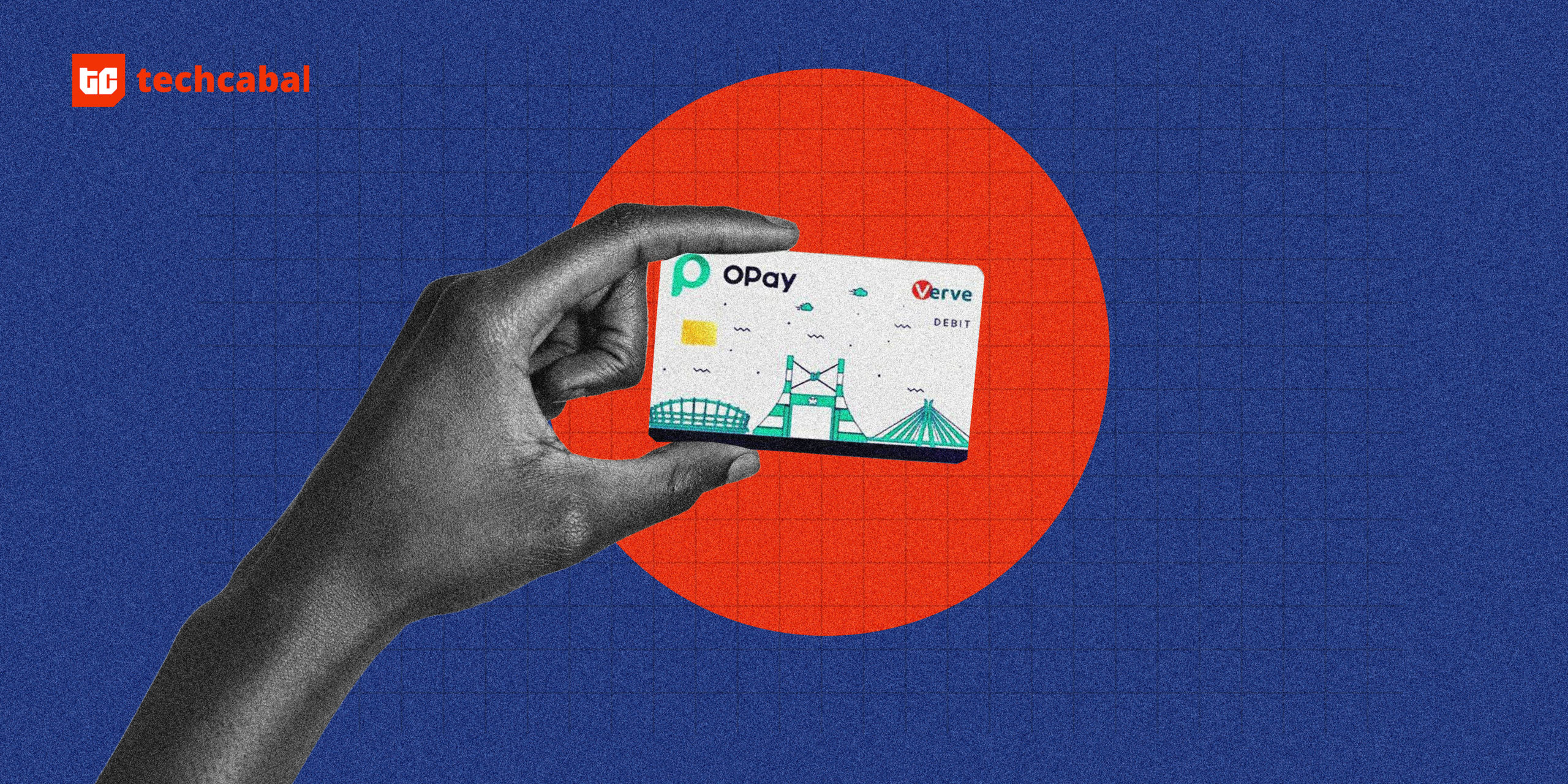
OPay, the mobile money fintech giant operating in Nigeria, plans to sell 16 million American depositary shares (ADSs) for $19 to $21 each on the New York Stock Exchange, where it plans to trade under the ticker OPAY. Each ADS represents 10 ordinary OPay shares.
Explain like I’m new here: In May, Bloomberg reported that OPay was working with major banks on a potential US listing that could value the company at around $4 billion.
At the time, that was still a private-market estimate. Now, OPay is putting an actual price range in front of public investors.
The fintech’s last valuation was in 2021, when it raised $400 million at a $2 billion valuation. Since then, the company has grown its payments business and expanded its user base. In H1 2026, OPay’s revenue more than doubled year-on-year to $806 million.
Standard Bank, through its subsidiary Stanbic Africa Holdings, is also investing up to $200 million in OPay through a separate share purchase, giving the fintech a strategic institutional investor as it makes the transition.
More value with Mycoverai

You already have a great product. With MyCover.ai, create tailored insurance for your customers across fintech, e-commerce, logistics and more, built around your product and their needs. Get started here.
Internet
Starlink is cutting off South Africans who use its roaming loophole

Starlink, the Elon Musk-owned satellite Internet service provider, has been in regulatory limbo in South Africa. Its service is not officially available in the country, but South Africans have managed to use it anyway. Now, that workaround is going to disappear.
What happened? Starlink has started enforcing a travel registration requirement for customers using its international roaming service in South Africa. Some users who were still getting Internet through imported Starlink kits have received notifications asking them to register their travel details or lose access.
Explain like I’m new here: The Internet provider has been caught up in a regulatory dispute over how it would meet the country’s requirements for foreign companies operating in the telecommunications market, including rules around black economic empowerment (BEE) and ownership.
Starlink offered to invest in South Africa as a workaround to prevent giving up equity. A rule allowing foreign telecom providers to operate in the country has faced fierce political opposition, keeping Starlink locked out.
What’s the shortcut? South Africans bought Starlink hardware and registered their accounts in countries where the service was officially available. They then used Starlink Roam, a feature for customers who take their Starlink kit with them while travelling.
Why does Starlink care? For a while, Starlink let this slide. South African users could keep connecting even though the service wasn’t officially supported locally. That started changing in 2024, when Starlink began enforcing a 60-day continuous-use limit in South Africa.
For some users, that allowance was later reduced to 30 days and eventually as little as seven days. The latest travel registration requirement gives Starlink another way to identify who is actually travelling and who is using Roam as a workaround.
So, what now? South Africans relying on roaming should expect that route to become difficult to use. Starlink’s registration process requires information such as a customer’s name, nationality, date of birth, and government-issued identification, making it much harder to disguise a permanent South African user as a traveller.
Every ambition has a destination. What’s yours?

Every founder has a next move. Every professional has somewhere they want to get to. But no two answers are quite the same. Grey is asking one question: where are you going? Share your answer.
Economy
Kenya goes after hidden company owners in FATF exit push

Kenya is two boxes away from finishing its FATF homework. One remaining headache is ensuring companies and trusts can no longer hide their owners.
What happened? The Treasury said it will tighten enforcement of beneficial ownership rules as part of its push for an April 2027 exit. Kenyan companies must disclose people who ultimately own or control more than 10% of them, but compliance has been patchy. A new Trust Administration Act also requires trusts to keep registers of their beneficial owners.
The goal is to make it harder to hide money behind layers of companies, nominees, and trusts.
Explain like I’m new here: Kenya has been on the Financial Action Task Force (FATF) grey list since February 2024 because of weaknesses in how it prevents and prosecutes money laundering and terrorist financing. On October 14, the country’s Financial Reporting Centre (FRC) said that it had addressed 19 of 21 action items.
However, FATF’s June assessment still grouped Kenya’s outstanding work into seven broad areas, including beneficial ownership, financial intelligence, money-laundering prosecutions, and supervision of high-risk businesses.
Between the lines: Kenya is moving from passing rules to proving they work. FATF will want evidence that regulators can identify a company’s real owner, punish businesses that hide ownership information, turn suspicious transaction reports into useful intelligence, and bring money-laundering cases that match the country’s risks.
Why it matters: FATF itself does not tell countries to apply extra checks to grey-listed jurisdictions automatically. But other regulators can. The European Union (EU) added Kenya to its high-risk list in August 2025, increasing scrutiny for transactions involving Kenya.
Zoom out: Completing all 21 action items will not automatically remove Kenya from the grey list. FATF must still send a team to verify that the reforms are working in practice before its members can vote to delist the country. Until then, Kenya keeps the grey-list tag, along with the extra scrutiny it can trigger for banks and businesses moving money internationally.
Don’t miss Moonshot 2026 for anything in the world!

True scale demands moving beyond surface-level integrations to robust execution. We’ve filtered the noise out of Moonshot 2026, optimising the conference strictly for high-calibre connections between startup founders, global financial operators, enterprise leaders and individuals rewiring Africa’s technical frameworks. Join us on October 28 & 29, 2026. Get your ticket.
CRYPTO TRACKER
The World Wide Web3
Source:

|
Coin Name |
Current Value |
Day |
Month |
|---|---|---|---|
 Bitcoin |
$81,465 |
– 1.63% |
– 6.55% |
| Ether |
$2,390 |
– 2.19% |
– 14.03% |
| XRP |
$1.31 |
– 2.20% |
– 19.85% |
| Solana |
$103.84 |
– 1.51% |
– 13.17% |
* Data as of 05.59 AM WAT, October 26, 2026.
JOB OPENINGS
- CredPal — Credit Underwriter — Lagos, Nigeria
- Sparkle Nigeria — Business Growth Manager — Lagos, Nigeria
- Tech Safari — Content Lead — Nairobi, Kenya, and Abuja, Nigeria (remote, anywhere in Africa)
- Pesa — Social & Influencer Marketing Manager — Remote (Nigeria)
- Bamboo — Product Manager (Misan) — Hybrid (Lagos, Nigeria)
- Àngeles Sostenibles — Operations Associate — Abuja, Nigeria
- Coinomad — Sales Manager, Business Development Manager — Nigeria
- Sumsub — Senior Anti-Fraud Analyst — Remote (anywhere)
- AfriChange — Compliance Specialist — Remote (Nigeria)
- Scouthappy — Growth Lead for Fintech (Stocks) — Remote (Nigeria)
- Daya — Growth Product Manager (Daya Coins) — Remote (Nigeria)
- Qore — Site Reliability Engineering (SRE) Manager — Lagos, Nigeria
- Afreximbank — Student and Postgraduate Internship — Cairo, Egypt
Looking for more opportunities? There are additional openings on TechCabal’s job board. We’ve also cleared out outdated listings to keep opportunities fresh for job seekers. If you’re hiring and would like to feature an open role, please submit it via this form.

Written by: Emmanuel Nwosu and Yemi Kareem
Edited by: Emmanuel Nwosu & Ganiu Oloruntade
Want more of TechCabal?
Sign up for our insightful newsletters on the business and economy of tech in Africa.
- The Next Wave: futuristic analysis of the business of tech in Africa.
- Francophone Weekly by TechCabal: insider insights and analysis of Francophone’s tech ecosystem
P:S If you’re often missing TC Daily in your inbox, check your Promotions folder and move any edition of TC Daily from “Promotions” to your “Main” or “Primary” folder and TC Daily will always come to you.