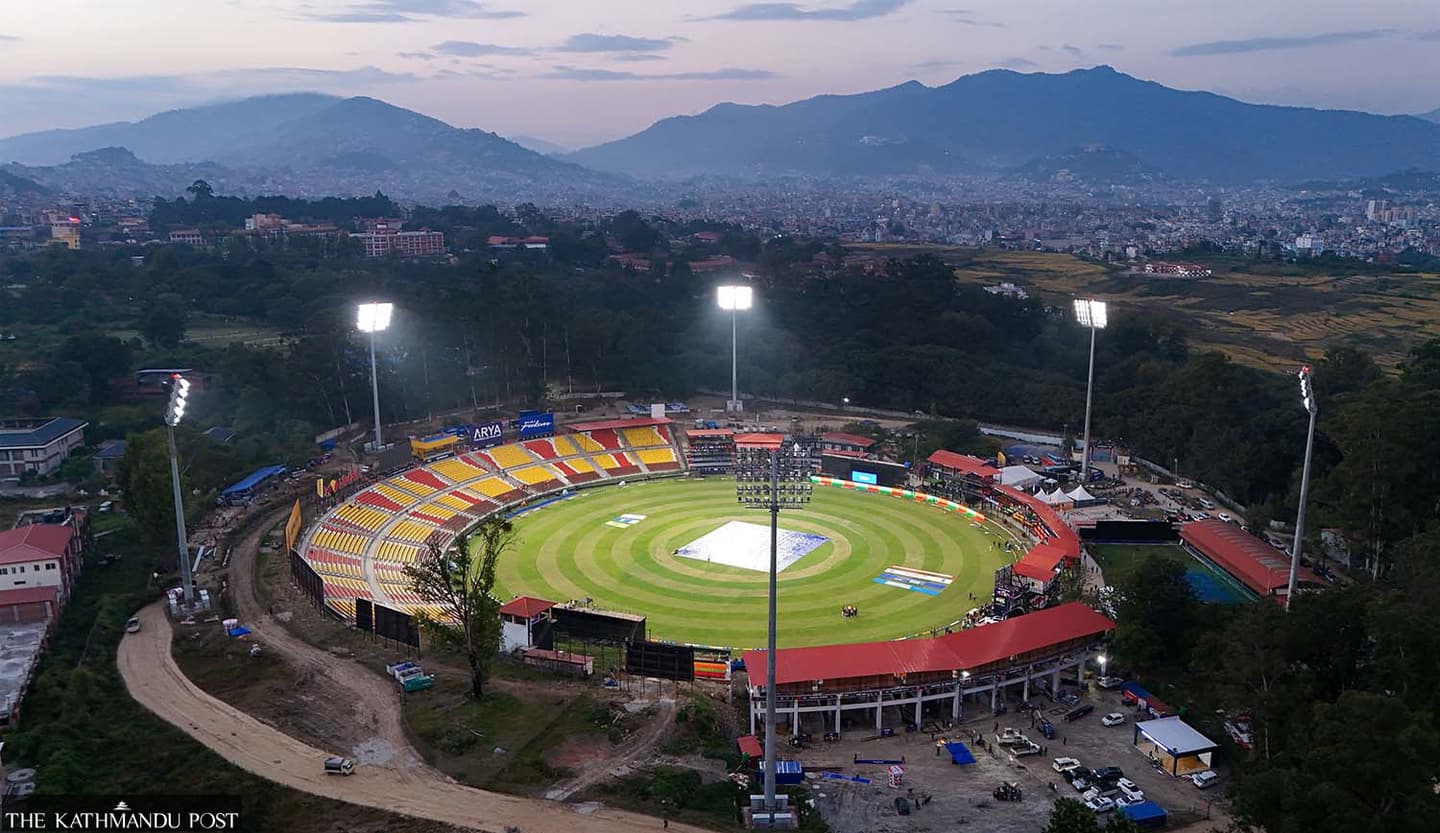
As Lumbini Lions walk out to face Sudurpaschim Royals under the floodlights at the TU cricket ground in Kirtipur on Monday evening, Nepal will be in for perhaps the biggest sporting extravaganza it has ever hosted.
The tournament arrives as the country continues to grapple with the human cost of late-August’s devastating floods. Cricket cannot resolve those losses, but it can offer a shared space for celebration and respite. After all, cricket is one of the few sports capable of bringing Nepalis together across geography, generations and social divides.
Over the years, in Nepal, cricket has become a sport offering a rare combination of mass appeal at home and growing recognition abroad.
The Nepal Premier League is the clearest expression yet of that potential.
With international stars, improved technology, bigger commercial ambitions and the International Cricket Council’s official recognition, the franchise-based T20 competition is growing beyond a sporting spectacle into a business of its own.
Here are five things to know about how the NPL works, who benefits and what is at stake this season.
1. What is the NPL, and how does it work?
The franchise-based Twenty20 cricket tournament is organised by the Cricket Association of Nepal, the country’s governing body for cricket. Eight privately owned franchises—named after cities and geographical regions—compete in the league, with all matches played at the Kirtipur ground.
The competition began in 2024 and is now in its third season.
This season runs for 26 days. The eight franchises compete in the league stage before the leading teams advance to the playoffs and final. Lumbini Lions won the last season and Sudurpaschim Royals were the runners-up. Hence, the high stakes at the opener.
The league has also grown alongside improvements to its venue, featuring spectator stands and floodlights. This season brings another significant change: the introduction of the Decision Review System, or DRS, which allows teams to challenge on-field umpiring decisions.
2. Who owns the teams, how are players selected, and what has changed?
The franchises are owned and operated by private businesses, while CAN organises the tournament and establishes the rules under which the teams compete.
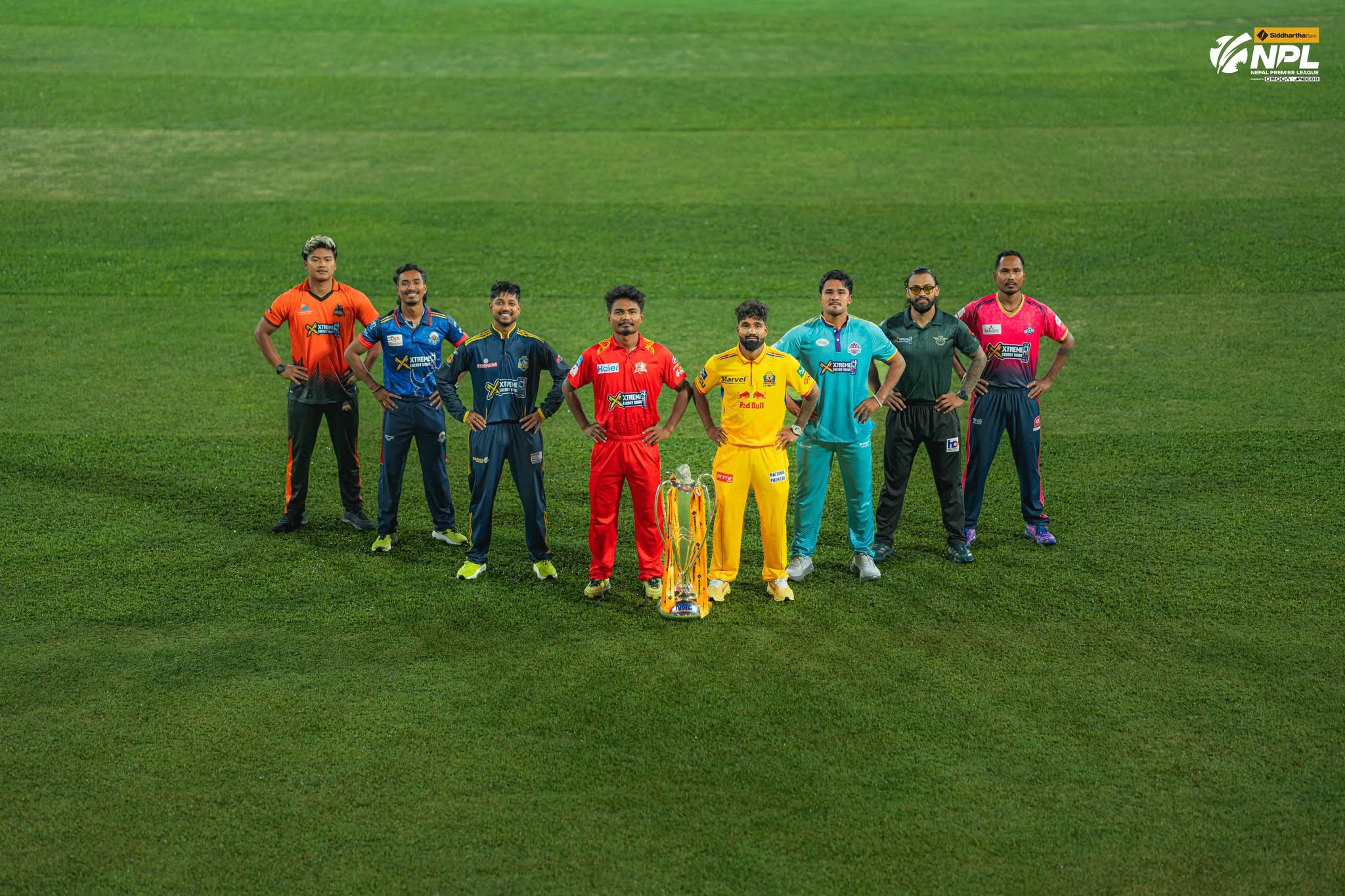
Nepali players are recruited through a player auction, alongside designated marquee players and retained members of existing squads.
The biggest change this season concerns the recruitment of foreign players. With the ICC granting the tournament official recognition, franchises can now include up to eight overseas players in their squads, provided at least one comes from an ICC Associate member nation. But only four foreign players may feature in a team’s playing XI for a match.
3. Which international stars are playing, and why does their participation matter?
The third season features a more prominent overseas line-up than the previous two, with players who have competed at the highest levels of international and franchise cricket.
Australia’s David Warner, signed by Kathmandu Gorkhas, is among the biggest attractions. The explosive batter was a key member of Australia’s teams that won the 2015 and 2023 ODI World Cups and the 2021 T20 World Cup. He was named player of the tournament at the latter competition.
South African batter David Miller brings extensive experience in global T20 leagues, while West Indies all-rounder Andre Russell is known for his aggressive batting and ability to change a game in a few overs, if not a few balls. Bangladesh’s Shakib Al Hasan is another established international name in the line-up.
Other overseas players include Pakistan’s Sahibzada Farhan, England’s Moeen Ali and Jimmy Neesham of New Zealand, alongside a range of players from countries such as Sri Lanka, Scotland, Namibia, Zimbabwe and the United States.
The ICC recognition is another step forward. From this season, the NPL has official T20 status, meaning players’ runs and wickets in the competition count towards their official career records. The tournament is no longer merely a domestic franchise spectacle. It has grown into a part of the recognised international T20 cricket structure.
4. How much money is the NPL generating, and where does it come from?
CAN expects the third season to generate total transactions of around Rs1.5 billion, according to figures presented ahead of the tournament.
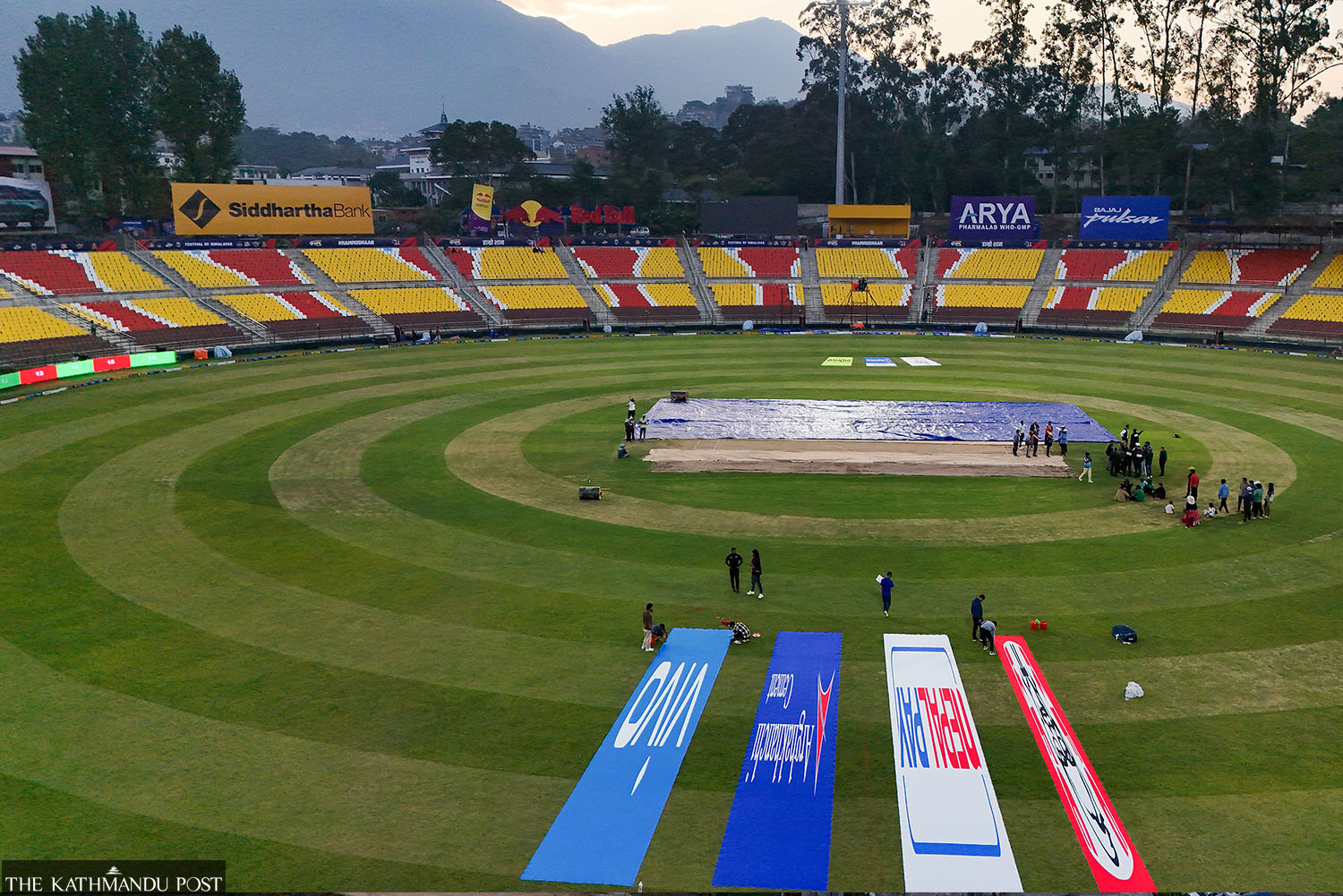
The league’s principal revenue streams include broadcasting rights, sponsorships and ticket sales. Merchandise, hospitality, accommodation and other spending connected to the tournament contribute to the wider economic activity.
The growth in broadcasting income has been particularly striking. According to reports, CAN earned Rs276.9 million in total revenue during the inaugural season in 2024 and Rs473.6 million in the second season. Ahead of the third edition, broadcasting rights alone had already generated more than Rs320 million, Onlinekhabar reports.
CAN treasurer Padam Khadka has said the organisers expect Rs200 million from sponsorships and more than Rs700 million from ticketing and broadcasting combined this season. The Post has separately reported that ticket sales alone are projected to exceed Rs110 million, compared with around Rs80 million last season.
The commercial growth is also reflected in the money being spent by franchises. Average team expenditure, which ranged between Rs80 million and Rs100 million during the first two seasons, is projected to reach around Rs150 million this year. Across eight franchises, that would amount to about Rs1.2 billion in team spending alone.
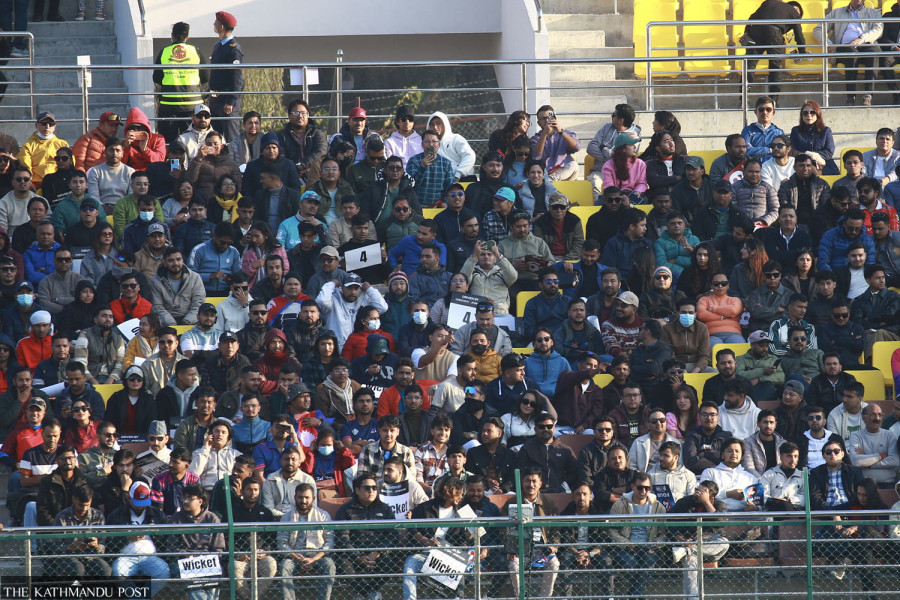
The figures point to a league whose commercial appeal is growing. Questions, however, remain whether that growth can be sustained beyond the excitement of a single season.
5. How much do the teams and players earn?
The rewards are growing for both franchises and players. CAN has raised the prize money for the third season: The champions will receive Rs15 million and the runners-up Rs8 million. The third- and fourth-placed teams will receive Rs4 million and Rs3 million, respectively.
Player earnings vary according to their status, experience and contracts. CAN has set a salary cap of Rs9 million per franchise for its 14 domestic players, including up to Rs2 million for the marquee player. Overseas players command separate fees, with franchises reportedly budgeting around Rs30 million to Rs40 million per team for foreign players.
The financial stakes are significant for owners, who have invested heavily in assembling competitive squads and building commercial partnerships. Some franchises have reported operating losses in previous seasons, although rising sponsorship and broadcasting revenues have raised hopes of breaking even or turning a profit.
All in all, the NPL has become a success story for a country where sports remain poorly funded. In just three seasons, the NPL has made considerable progress attracting the attention of the global cricketing fraternity. Its next test is to show that the growth can endure—and that the benefits extend beyond a month of cricket in Kirtipur.