GWANGYANG — The city of Gwangyang in South Jeolla Province has launched a fiscal innovation drive involving all of its departments to cope with strained finances.
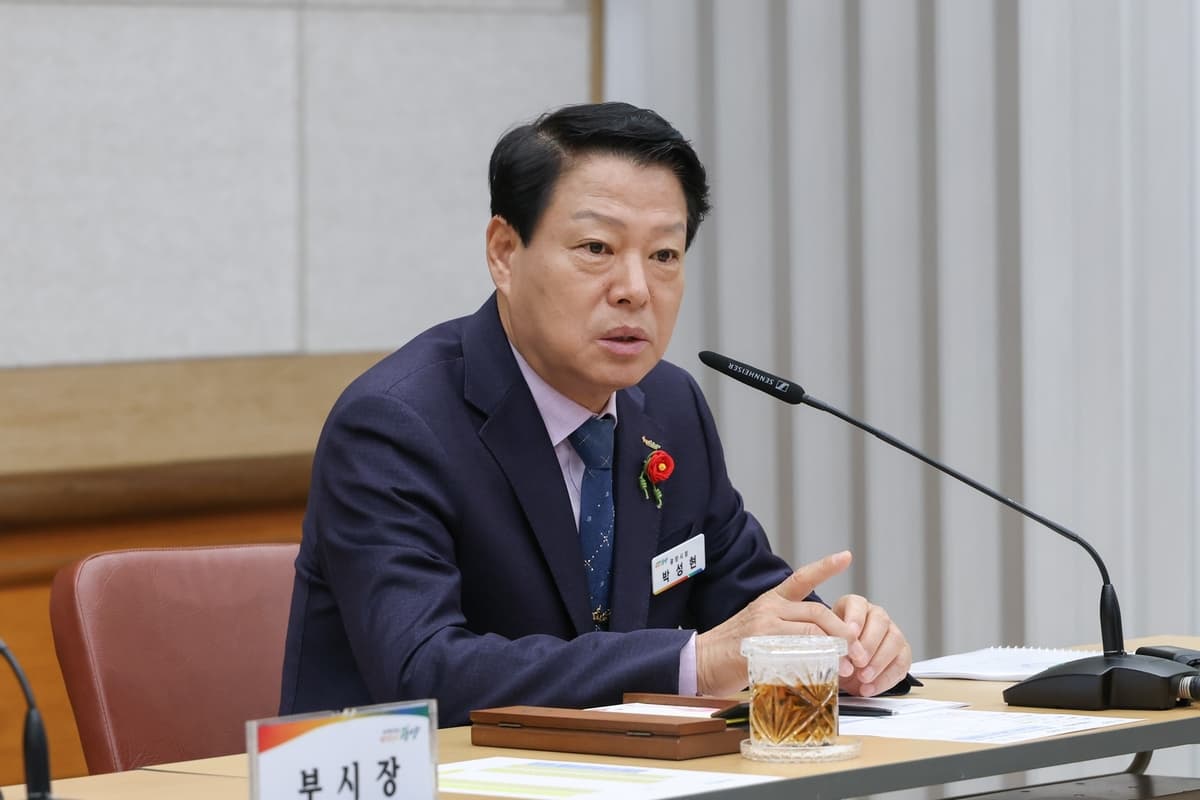
The city said on the 26th that it held an expanded monthly staff meeting on the 23rd under the theme of "measures to increase city revenue and reduce expenditures," where departments shared fiscal innovation ideas. The meeting was arranged to review existing budget execution practices and identify new revenue sources. Practical ways to cut unnecessary spending were also discussed.
The city put the 63 ideas submitted by its departments to an employee vote. A total of 589 employees took part. Three ideas were selected as the best.
First place went to the New Industry Division's proposal, "Introducing an AI night duty room: budget down, efficiency up." Second place was awarded to Taein-dong's plan to cut annual leave compensation payments by having staff use 100% of their leave. Third place went to the Civil Affairs and Cadastral Division's proposal to raise revenue by revising park golf course usage fees.
Proposals from each department were presented at the meeting. The three departments behind the winning ideas explained how they would carry them out through presentations and a question-and-answer session. Participants examined whether each proposal could be applied in actual administrative practice. They also discussed the expected fiscal benefits and implementation plans.
"All 63 ideas are valuable proposals for restoring our finances," Gwangyang Mayor Park Sung-hyun said. "Overcoming difficult fiscal conditions requires a change in mindset among all public officials." He added that officials "must find ways to increase revenue and cut unnecessary spending in their own work."
He also said savings would be put to better use on projects that residents genuinely need. Gwangyang plans to closely review the public value, efficiency and economic merit of all its projects. Subsidy programs with weak results will be overhauled decisively. The city said it would use its limited resources efficiently under the principle of selection and concentration.
Gwangyang has also changed how it runs the expanded staff meeting since the current local administration took office. Instead of one-way work reports, the meeting now takes a brainstorming format in which all departments work together each month on a key theme.