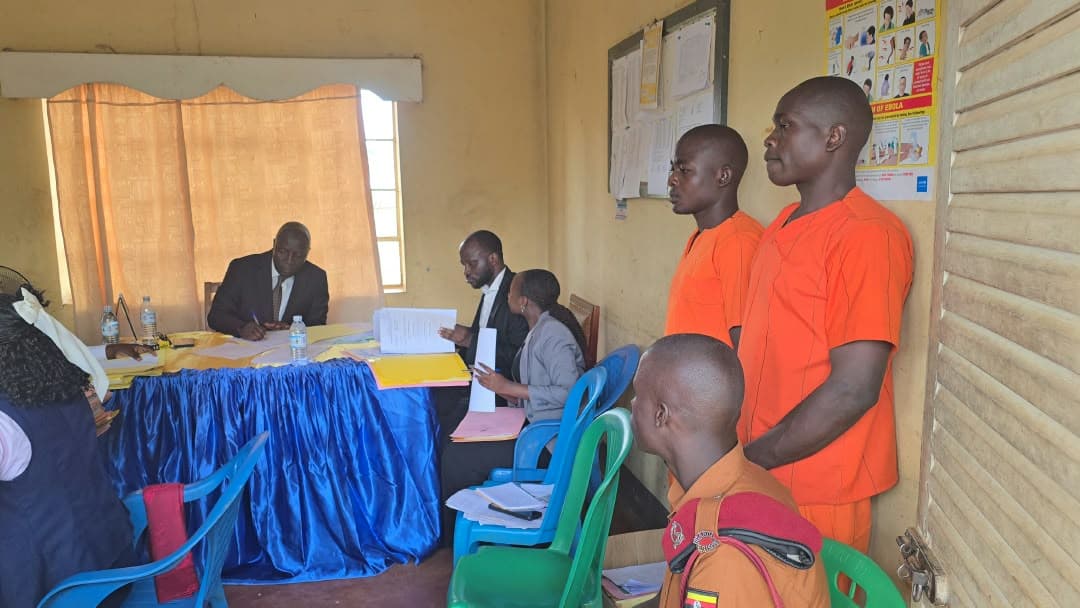
The two-day exercise combines hearings for children in conflict with the law with plea bargaining for 37 adult inmates facing capital offences, as the Judiciary seeks to speed up case disposal.
The Judiciary has launched a special exercise in Mbale to expedite cases involving juveniles held at Namakwekwe Remand Home, alongside plea bargaining sessions for adult inmates facing capital offences at Maluku Prison.
The exercise, running from October 26 to 27, 2026, aims to address case backlogs and improve access to justice, particularly for children in conflict with the law.
It follows a directive by Chief Justice Flavian Zeija, conveyed through a meeting chaired by Deputy Chief Justice Moses Kazibwe Kawumi, to prioritise juvenile cases in eastern Uganda.
Speaking during a press briefing in Mbale, Justice Professor Andrew Khaukha, the Judiciary’s focal judge for Alternative Dispute Resolution and executive director of the Judicial Training Institute, said the exercise was designed to clear cases involving juveniles held at the remand home.
“We are on the directives of the Chief Justice, concentrating on clearing the caseload involving juveniles in Eastern Uganda,” Khaukha said.
The exercise also includes plea bargaining sessions for 37 adult inmates at Maluku Prison who are willing to negotiate plea agreements with prosecutors, with victims consulted as part of the process.
Khaukha said plea bargaining had been among the alternative dispute resolution interventions adopted by the Judiciary over the past 11 years to speed up the disposal of criminal cases, including those involving capital offences.
“From January this year to date, the Judiciary has handled slightly above 1,000 plea-bargain cases for capital offences alone, in the whole country,” he said.
He cited recent exercises involving about 190 cases in Arua, approximately 140 in Nakasongola and 75 at Kitalya. The Mbale exercise is targeting 37 adult plea-bargaining cases alongside nine juvenile cases.
In a departure from conventional court arrangements, the Judiciary has taken proceedings closer to inmates. Adult plea-bargaining cases are being handled at Maluku Prison, where the two judges are stationed, while juvenile cases are scheduled to be heard at Namakwekwe Remand Home on Tuesday, October 27.
Khaukha said the approach had contributed to a shift in the prison population, with convicted prisoners now outnumbering those on remand, although he did not provide figures to support the claim.
He said a key feature of plea bargaining was the involvement of victims, who are given an opportunity to engage with offenders in consultation with prosecutors.
According to Khaukha, the process goes beyond resolving cases by giving victims an opportunity to express their concerns and potentially helping restore relationships affected by crime.
“There is a lot of justice that does not only resolve, justice that restores the relationship, justice that also listens to the concerns of the victim,” he said.
The juvenile hearings and adult plea-bargaining sessions form part of the Judiciary’s broader efforts to reduce delays in the administration of justice and ensure cases are handled more efficiently.
The exercise is being conducted by Justice Dr Farooq Lubega, head of the Mbale High Court Circuit, and Khaukha.