

Based in rural Minnesota, Brian Burgess worked in IT for 10 years before finding his passion for writing about consumer technology.
Brian earned his degree in computer and network technology in 2000. He held various IT positions, including help desk support, router installations for IBM, database administration, and other associate network administration roles.
He's been a personal technology journalist for 18 years and has written thousands of articles about Microsoft products and services, Android, iOS, streaming, and more. He has written for notable tech sites including XDA, InformationWeek, How-To Geek, Byte, groovyPost, and others.
When he is away from the keyboard, you will hear him playing guitar, working outdoors, and watching Star Trek.
When Google raised the price of the Google TV Streamer to $150, it caught many home media enthusiasts off guard. Released more than two years ago, it has received few updates, and it can be buggy. It offers a couple of features that the seven-year-old Nvidia Shield TV Pro (which also saw a price increase) doesn't, but when I thought I'd retire my Shield TV, it didn't make sense.
Nvidia looked ahead and future-proofed the Shield TV Pro, and it's still holding strong. The Google TV Streamer doesn't offer much that the Shield TV can't already do. Aside from a couple of things, Google's box made me realize I don't need to replace my Shield TV.
The Shield TV isn't broken
New streaming devices are disposable and don't offer much more
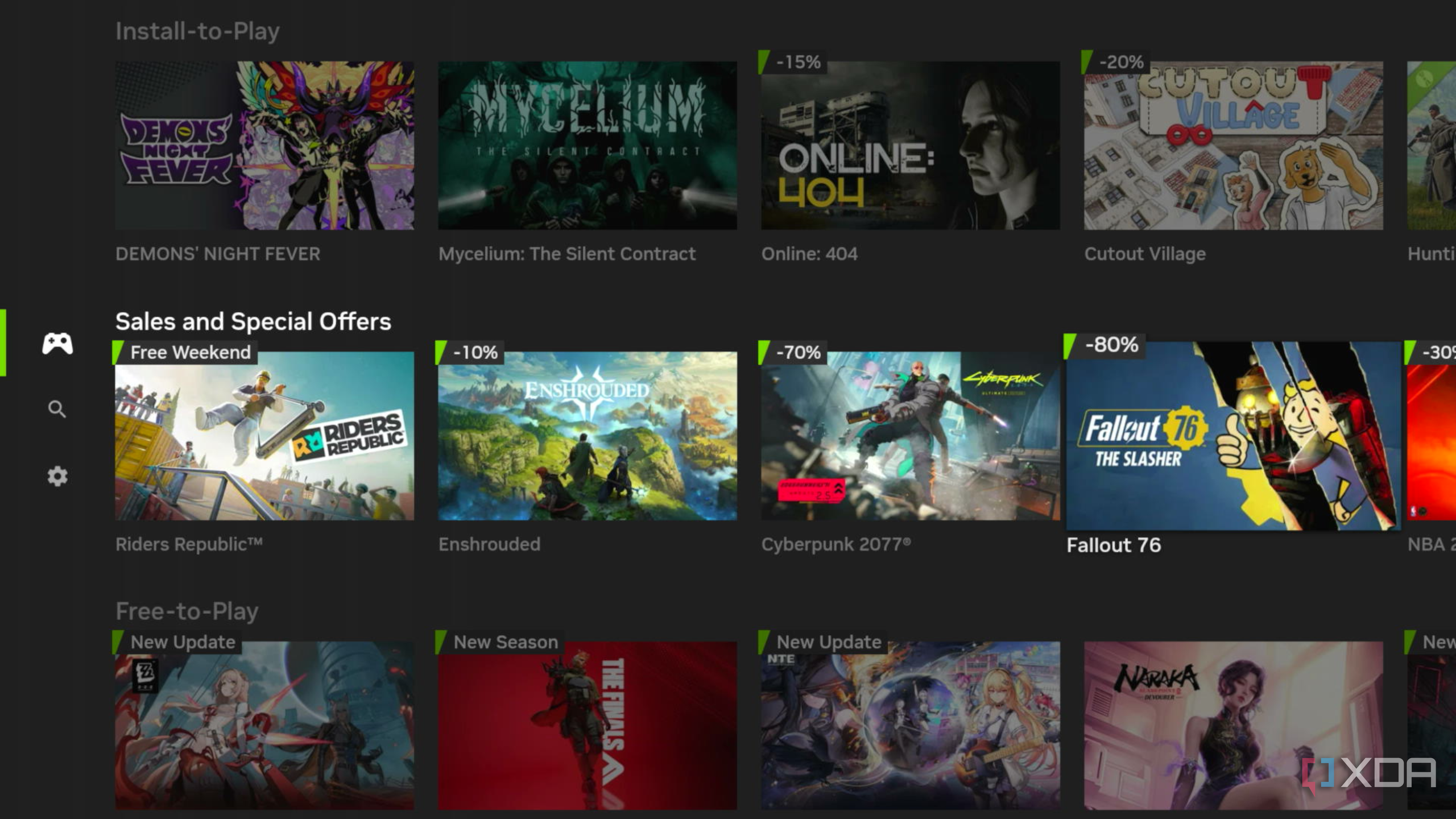

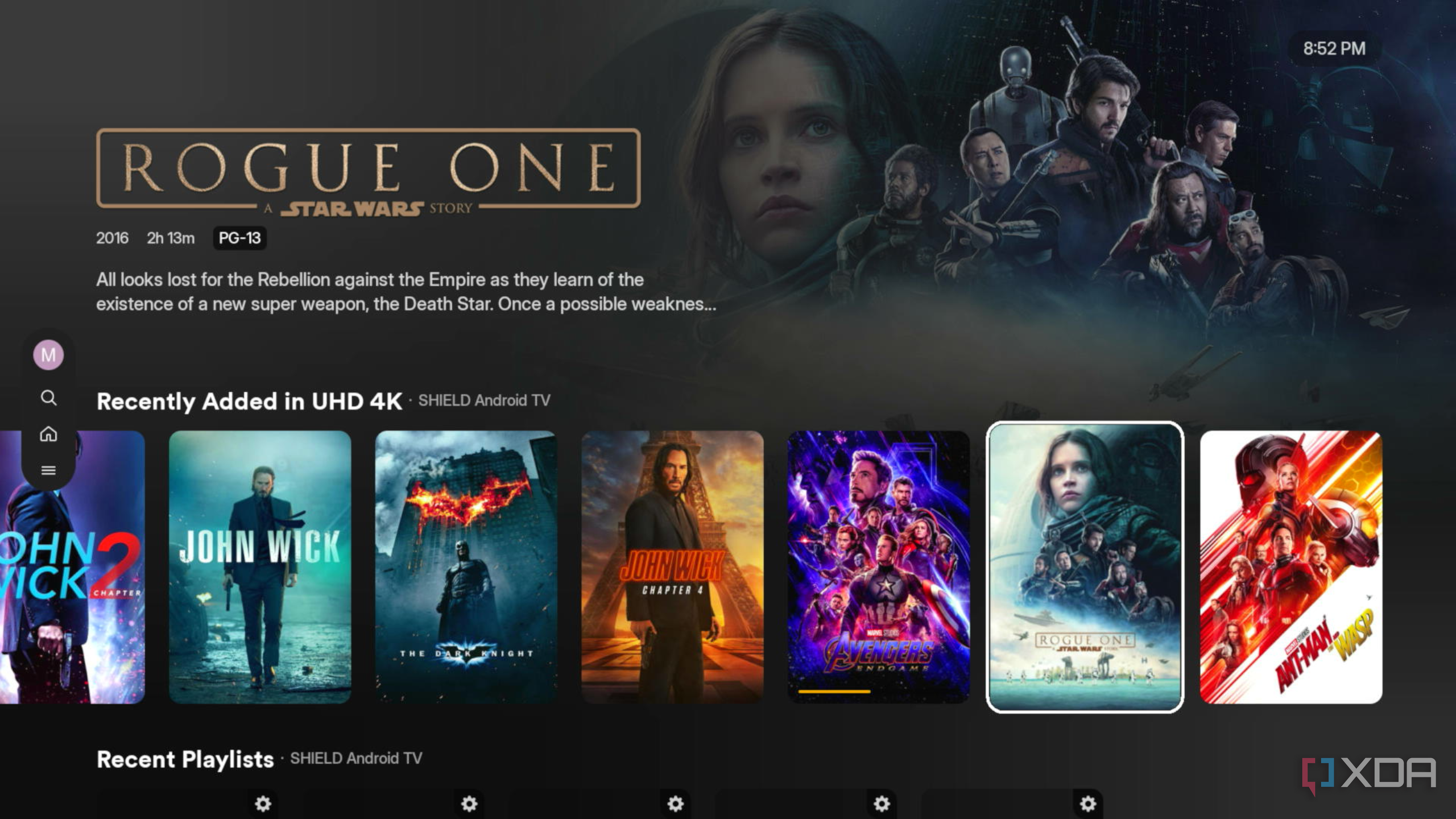
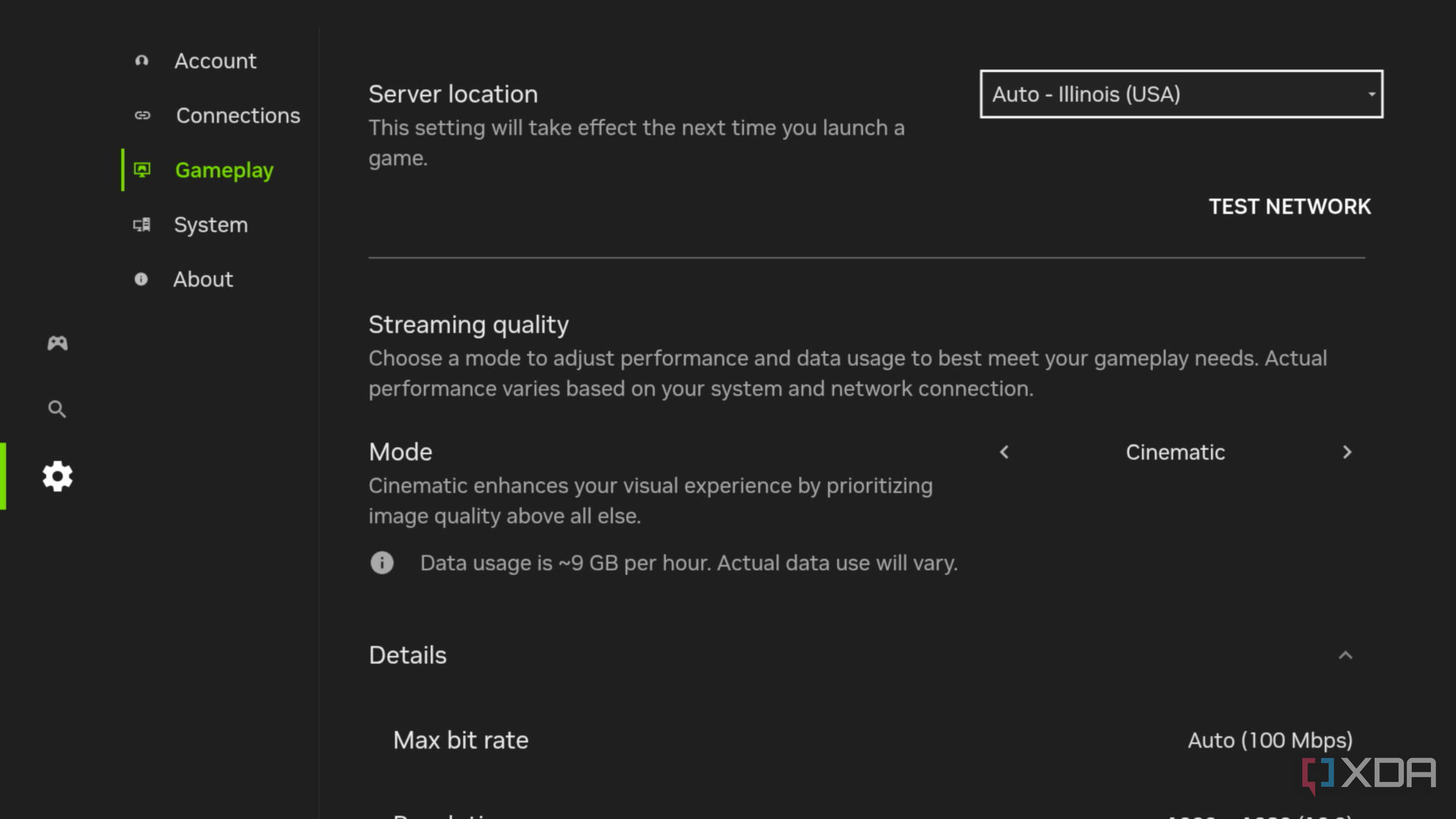
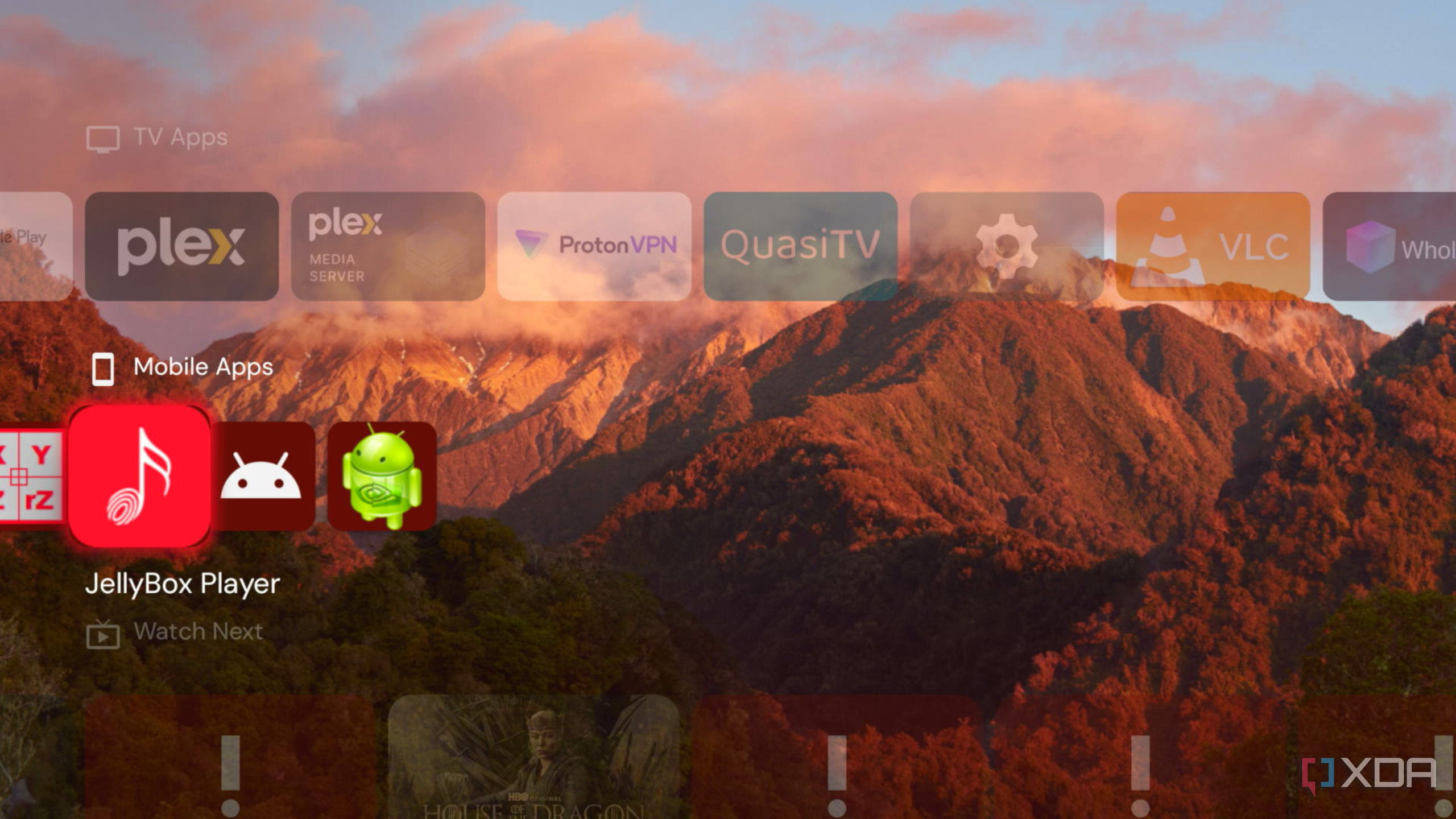
I often think that there's no reason to replace the Shield TV unless Nvidia releases a new one. New boxes like the Google TV Streamer don't offer many additional features, and the Shield TV still has more functionality, including a built-in Plex server, two USB 3.0 ports, and cloud gaming. No streaming device has been released that does all of that. So, short of running a home theater PC, the Shield TV is still the best option.
Companies that have released streaming devices treat them as disposable. They let you update the device every 1–3 years for more capabilities. The Google TV Streamer, meant to replace the Chromecast with Google TV, falls into that category. You need the fortitude to install a USB-C hub to turn it into a local media center.
But even then, it lacks the hardware and options to run long-term like the Shield TV. Instead of being something to replace every year, the Shield TV was built to last. With its Tegra X1+ SoC, USB ports, and capabilities, I've held onto it despite going through several other streaming devices.
The Shield TV is also a capable gaming center with GeForce Now for cloud-streamed PC games. With a membership, you can play games at up to 4K at 60fps. It is another advantage that other boxes like the Streamer don't offer. It offers a PC gaming experience in the living room without connecting directly to a PC. Games run on Nvidia servers, and GeForce Now is available on select Fire TV sticks, but you can't connect a wired controller or use Ethernet for lower latency on a stick like with the Shield TV.
Showing its age
There are areas where the Shield TV needs an upgrade

Sure, the Shield TV is a seven-year-old device, and it still leads the streaming media box space. However, it still needs a refresh in some areas. It has half the internal storage space of newer Android boxes like the Google TV Streamer and Onn's 4K budget box. You can easily solve that with its two USB ports or by adding a hub. Plus, a hub lets you add other peripherals and use it more like a computer.
The Shield TV supports H.265/HEVC, but its Tegra X1+ SoC lacks hardware decoding for the newer AV1 codec. If you have re-encoded remuxes to save server space, its system resources have to work harder to transcode the files. It also lacks HDR10+ support and an HDMI 2.1 port. It has less RAM than the Streamer, and we can give a nod to the Fire TV Cube for Wi-Fi 6E connectivity. Still, aside from a few modern features it didn't launch with, that doesn't take away from the Shield TV's advantages.
It couldn't have more of an advantage over other boxes

The Shield TV Pro includes a built-in Plex media server; it can serve as both a self-hosted media server and client. Not much more can be said in its favor compared with other boxes. The Google TV Streamer and other competing Android boxes on the market can't make that claim. You can rig it as a UPnP/DLNA server with Kodi or similar apps to share media from connected drives, but most devices can do that. The Shield TV's Plex server is more comprehensive and less limited than basic local-network sharing.
The Shield TV does more than play my local media collection. It can serve my library of movies, shows, and music to other screens and audio systems throughout my home. It can host and play back without a separate PC or NAS running the server. Other Android boxes, including the Google TV Streamer, make great clients, but they don't serve media.
Newer Android (and other) boxes don't give me a reason to switch
With the limited features on new Android boxes like the Google TV Streamer, it seems obvious I need to hold on to my Shield TV for now. While it is starting to show its age in some areas, it's still the best Android TV box currently available. It has capabilities no other box has. Unless something better comes along, I will hold on to my Plex server, which is still perfectly good for streaming.
