
An “astronomical” turnout of Arab voters is expected in the Israeli elections on Tuesday, with the possibility that their politicians could significantly influence the next government, political sources have told The National.
Senior opposition officials have also said there is a possibility of a coalition or agreed minority government with the Arab parties, if the mainstream parties do not win an outright majority.
Opinion polls have now closed under Israeli law, with the final ones showing the opposition with a potential 56 seats, Prime Minister Benjamin Netanyahu’s Likud party on 50 with the Arab parties taking 14 in the 120-seat Knesset.
With 61 seats needed to form a government, the opposition led by Yashar party leader Gadi Eisenkot could either form a minority government with tacit Arab party support or go into a coalition with the Ra’am party, led by Mansour Abbas.
Arab influence could also be strengthened by a surge in votes for its two main parties – Ra'am and the Joint List – with turnout expected to rise from about 50 per cent to 70 per cent of the two million people who make up 20 per cent of Israel’s total population.
“After what they have witnessed over the past three years, they have understood the difference between bad and worse,” said an Israeli political observer, referring to the hard-right parties that have influenced politics.
If the bloc against Mr Netanyahu takes power, then significant steps would be taken to halt the settler violence and illegal dwellings in the occupied West Bank, an opposition source said. “We will clamp down on settler violence, which has gone on for too long, because it is a disgrace to the country and because it is wrong," he said. "We will also stop wildcat home building because we believe in law and order.”
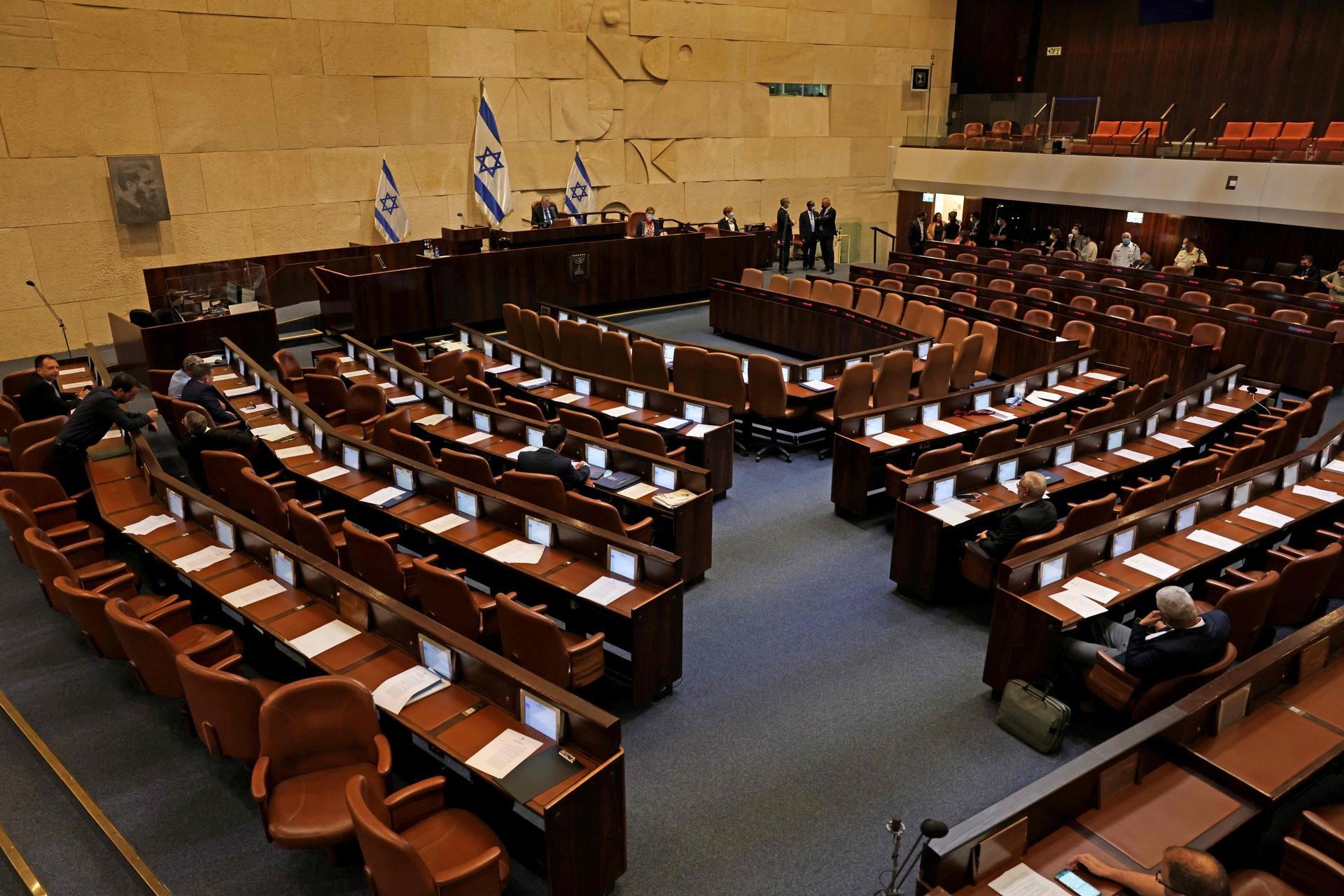
A coalition involving Ra’am is one of three possible outcomes from the election. The other two are either a coalition between the centre-right and ultra-orthodox parties or a “government of unity” that would be likely to have Mr Eisenkot as prime minister, but would also include Mr Netanyahu’s Likud.
There are also many unknowns and other factors at play that could still affect the outcome. About 700,000 young people will vote for the first time – the last election was in 2022 – and it is not known which way the group that went through Covid, Israeli judicial reforms, the October 7 attacks and military service will vote.
There are up to 70,000 Israelis living abroad who have flown back to the country to vote – the majority are understood to be against Mr Netanyahu – alongside a similar number of Russian emigres, who fled after the 2022 Ukraine invasion, who are thought to be in the more liberal camp.
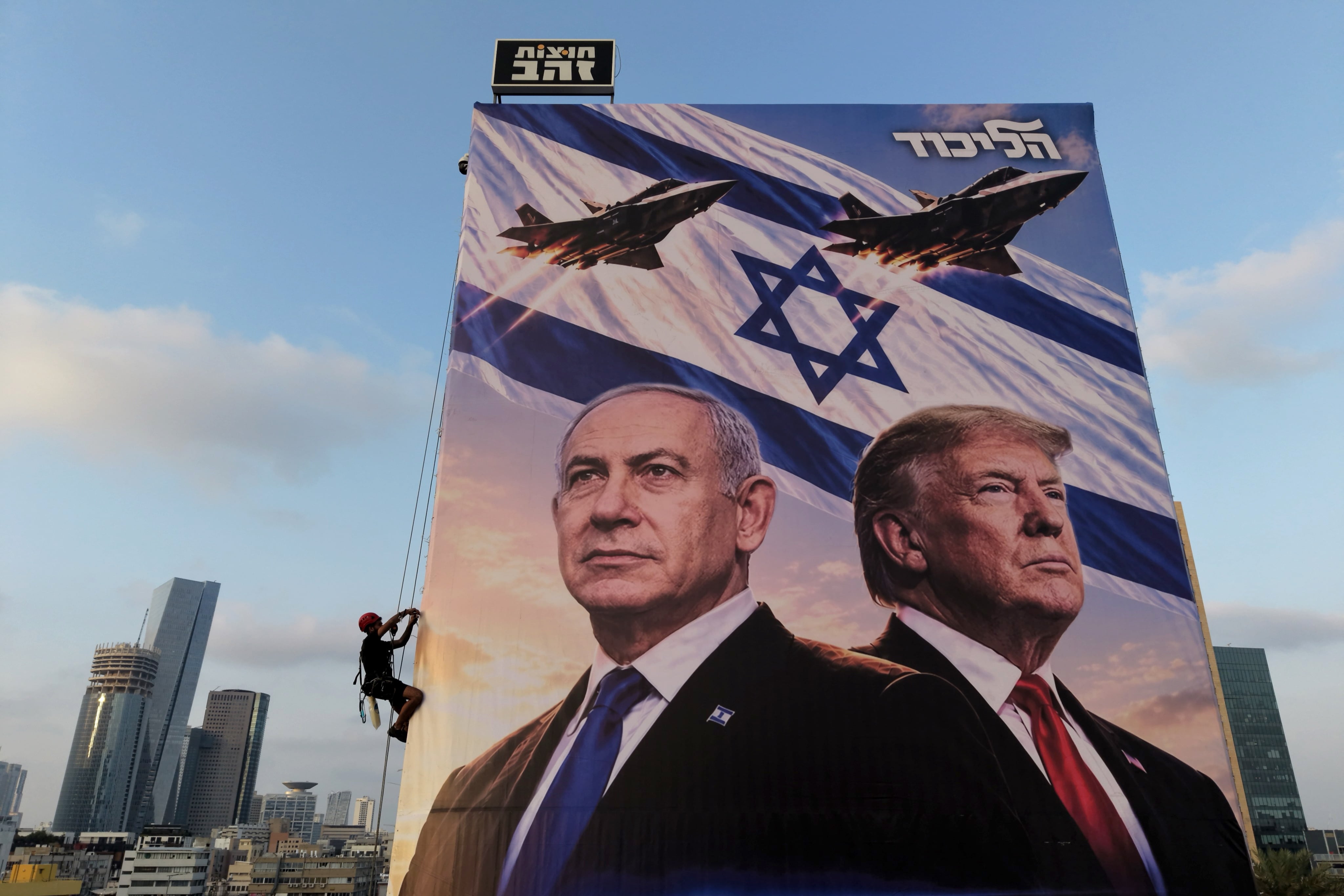
Key issues for Israel, which observers say are existential, are also at play. Some officials believe getting the ultra-Orthodox into conscripted military service is important to Israel’s security, but their parties object. There are 72,000 ultra-Orthodox young men aged 18 to 21 who are listed as “deserters” for not joining up.
There is also talk of a “declaration of independence” that would give the country a written constitution, alongside term-limits for prime ministers. Mr Netanyahu has served for almost 20 years over three spells in office.
Israel also faces other crises, including the imposition of international sanctions from European countries and a plummeting birth rate, except among the Arab and ultra-Orthodox population. About 50 per cent of school children are from those two groups.
But some observers believe that, come dawn on Wednesday, Israel will simply resume the status quo, with the idea of Zionist parties working with Arab groups unacceptable to too many people.
“My concern is that they will opt for the unity government [with Mr Netanyahu] because they are cowards and it is politically convenient,” one opposition figure said.