Dublin’s compact size makes it infinitely explorable in three days, with plenty of time to take in the city centre sights, as well as those a tram ride away. History and literature will obviously be high on the list, brought to life by innovative museums and enthusiastic guides; but Irish culture is also driven by music and community, so knowing the best pub for a pint is crucial, as is knowing the best tables to book on the vibrant restaurant scene. Although many visitors might not realise, the Irish capital’s coast is also easily accessible via the Dart train that runs along the bay; that means cliffside hikes, wildlife-spotting, even sea swimming and sauna-ing all within a hop from town. I love suggesting a seaside jaunt for anyone looking to experience a more local side of the city, to stretch the legs and breathe in the salt-tinged air. Here’s how to make the most of 3 days in Dublin

Baily Lighthouse, Howth, County Dublin, IrelandGetty Images
How to spend 3 days in Dublin
Day one
Morning
Start your day with a sticky cherry bun and coffee from Bewley’s on Grafton Street, whose original 1920s mosaic-style shopfront was inspired by the Egyptomania that gripped the world after the discovery of Tutankhamun’s tomb. Stroll down Grafton Street to Trinity College – Ireland’s oldest university, dating from 1592 – and explore the cobblestoned campus on a Trinity Trails tour with a student or alumni guide (past pupils range from Bram Stoker to Paul Mescal, although sadly it’s doubtful he’ll be leading the tour). Follow it with a visit to the university’s spectacular Old Library and the technicolour Book of Kells experience, which projects a ninth-century sacred manuscript on the walls in vivid 3D.
Next up is a more quirky take on history at the Little Museum of Dublin on St Stephen’s Green, where part-storyteller, part-stand-up comedian guides will regale you with tales of the city on a 29-minute tour. You’ll need those extra few minutes because your lunch spot will invariably have a queue: Morso on Drury Street serves up generous fillings such as chicken parm and roast beef on its homemade schiacciata Tuscan bread. Stick it out – it’s worth the wait.

Variety Jones
Afternoon
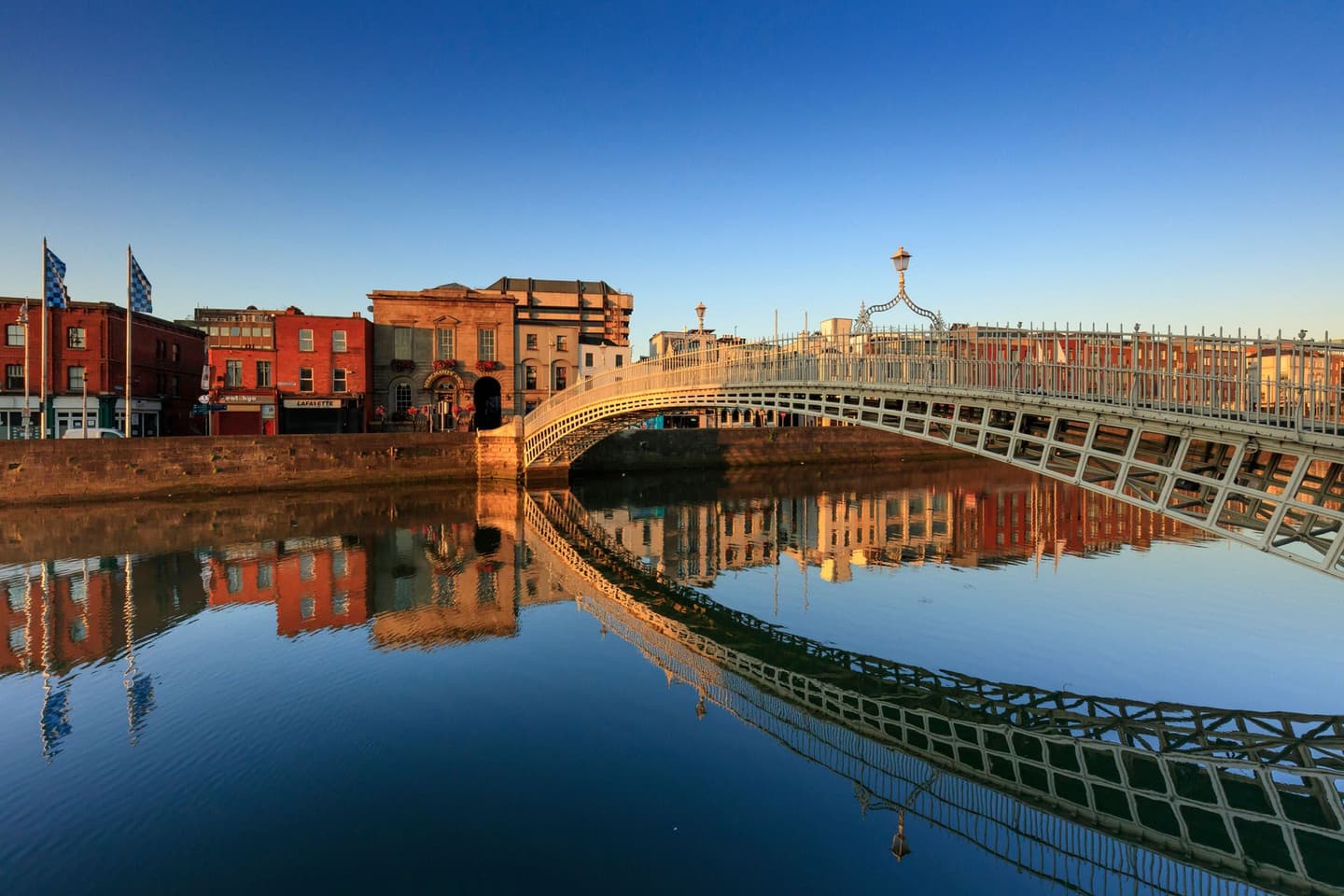
Walk through Temple Bar and over the Ha’penny Bridge to get the tram to Kilmainham Gaol. This former prison, built in 1796, once held many of Ireland’s most famous revolutionaries. Be sure to book online here beforehand for hour-long guided tours that take in the sky-lit Victorian East Wing and the chapel where 1916 republican leader Joseph Plunkett wed his sweetheart Grace Clifford before being executed a few hours later. You might have time for a pre-dinner pint in the home of Ireland’s most famous stout, the Guinness Storehouse – about 15 minutes away. Or if whiskey is more your thing, Roe & Co distillery is also nearby for a snifter in its Powerhouse bar.
Evening
Variety Jones has a Michelin star but the vibe in the bare-brick space, furnished with colourful art and chairs, is laidback. The globetrotting six-course chef’s choice menu might include pork and prawn dumping, spaghetti alfredo and barbecued halibut with mussels, kicked off with an aperitif of vermouth made from hedgerow botanicals in County Kerry. Finish the night with music in Arthur’s Jazz Club nearby.

Glasnevin Cemetery
Getty ImagesDay two
Morning
If you’re in need of a hearty start to the day, grab a breakfast roll (basically a fry-up in bread and a much-loved Irish classic) in locals’ haunt Declan and Donal’s deli, then head just down the road to 14 Henrietta Street. At this excellent museum, the guides bring the patina-ed walls to life, tracing 300 years of social history in one Georgian house – from its beginnings as the grand home of a viscount to becoming a tenement where 100 people lived. Afterwards, take the Luas tram from Parnell Square to Glasnevin Cemetery, where many notable Irish figures, such as the revolutionary Michael Collins and the suffragist Constance Markievicz, are buried. Climb the 198 steps to the top of Ireland’s highest round tower for views of the city edged by sea and mountains.
Afternoon
Your lunch spot is just over the cemetery wall in John Kavanagh’s, known as the Gravediggers after the men who used to drink here after their strenuous night shift. Order a pint of Guinness and a plate of beef stew, and soak up the old-school atmosphere of the timeworn pub, which had been run by the same family since 1833. Grab a cab back into town for a late-afternoon browse around the city’s so-called creative quarter, with Drury Street at the heart of it. Here you’ll find Ireland’s oldest vintage shop, Jenny Vander, selling costume jewellery from the 1920s and frothy Fifties ballgowns, as well as the contemporary crafts of the Irish Design Shop, including heavenly table linen by Jennifer Slattery (her own shop across the River Liffey in Smithfield is also worth a visit). The entrance to the handsome Victorian redbrick George’s Street Arcade is here too; walk a loop, passing record stores and fabric stalls, then take in another grand shopping hub, the Powerscourt Centre, where the entrance is scented by the wild bouquets of floral studio The Garden. Literature lovers should make a beeline for Ulysses Rare Books on the other side of Grafton Street.

The Long Hall
Evening
Pop over to The Long Haul pub, where the original Victorian interior gleams gold and red, for a drink before dinner at Uno Mas. This stalwart of Dublin's casual dining scene serves up Spanish-inspired dishes that hit the spot after a day exploring the city: gooey tortilla, beef tartare, lobster rice, Manchego agnolotti. The space is always buzzy, and wine comes by the glass or the carafe if you don’t want to commit to a bottle.

Mamó
Ruth Calder-Potts
Mamó
Ruth Calder-PottsDay three
Morning
Today is a day for the seaside. It’s easy to forget that Dublin is a coastal capital, and you can’t go wrong venturing north or south to its villagey neighbourhoods via the Dart railway line. But first: breakfast. Grab pastries and coffee from popular bakery Bread 41 on Pearse Street before strolling to the nearby station and heading north to Howth. Book a coastal hike that sets off from the harbourside village to explore woodland, heath, cliffs and beaches while learning about local history.
Afternoon
You’ll have worked up an appetite for a late seafood lunch at Mamó – nab a spot at the counter on the ground floor for a more casual take on the elevated cooking that got this place listed in the Michelin Guide. Get the Dart back into town, hopping off at Connolly Station to walk to the Irish Emigration Museum, where immersive galleries and interactive displays tell the story of the millions-strong Irish diaspora worldwide. As JFK (who himself had Irish roots) said: “Most countries send out oil or iron, steel or gold, some other crops, but Ireland has had only one export and that's been people.” Afterwards, walk along the river to explore The Jeanie Johnston, a replica of a 19th-century ship that would have carried thousands of emigrants across the Atlantic to their new homeland.
Evening
Perhaps JFK failed to mention that Ireland’s other greatest export to the world was its literature. Witness this rich creative heritage at the Abbey, Ireland’s national theatre, where the playbill could include the short stories of podcaster BlindBoy or a premiere from a new Irish playwright. (And if you don’t make an evening performance, you can go on a behind-the-scenes tour most mornings, learning about the history of this legendary theatre). Check out the Abbey’s website for the latest shows. It feels fitting to end your Dublin trip with some music; McNeill’s pub, about a 10-minute walk away, has live performances seven days a week.