
By one measure, John Healey’s budget has already been a success.
He has avoided the paralysis that hit the UK before his predecessor Rachel Reeves delivered her tax and spending plans in November 2025. That budget had such an agonisingly long build-up that a combination of speculation and leaks caused jitters in financial markets, property transactions ground to a halt, and the wealthy packed their bags for sunnier climes. It forced Ms Reeves into policy pivots that dented her reputation and confidence in the government’s messaging.
Mr Healey has led a more orchestrated run-up, allowing messaging to get out that he will not match Capital Gains Tax to income tax, that banks can expect a fresh levy, and that business red tape is set to be torn apart. His goal when he rises to the dispatch box is to unveil short-term help with the cost-of-living, stem the tide of super-rich moving abroad, while also seeking to stabilise public finances hit by spending pressures and the fallout from the US-Iran war.
So what do those who invest in Britain want to see come out of his red box, or perhaps more importantly, discarded as a bad idea?
Property stakes
In terms of property, London’s golden postcodes have seen sluggish sales in recent years as the prime market fails to ignite, with prices still behind their 2014 peak.
Tom Bill, head of UK residential research at Knight Frank, hopes the greatest threats to the market – such as an even broader mansion tax than first announced – have already been abandoned.
“Sentiment in the prime London property market would improve because of what is not in the budget rather than anything the Chancellor includes,” he told The National. “He has reportedly dropped plans to lower the bottom threshold for the high-value council tax, and there would be a collective sigh of relief if property is not targeted in the way it has been in previous budgets.” The mansion tax would add an annual fee for properties above £2 million on top of council tax.
Buyers in high-value residential markets such as London require “a sense of stability that has been missing for several years”, he said.
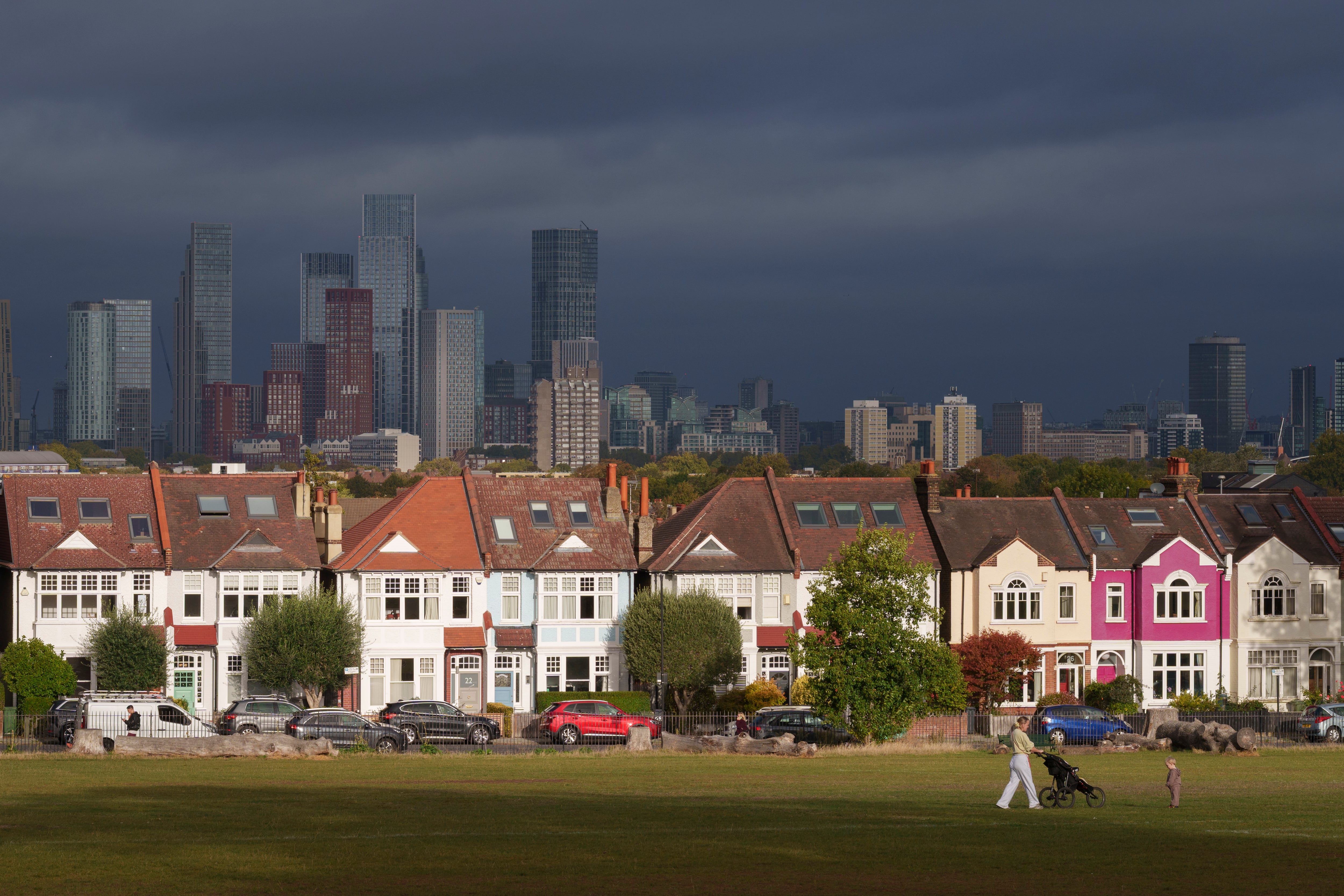
London has had a comparatively positive summer, largely thanks to the absence of tax speculation ahead of the budget, he said. September recorded the first period of quarterly price growth (+0.3 per cent) in prime central London (PCL) for four years.
Sales of properties above £5 million dropped by 14 per cent in the 18 months after Ms Reeves’ first budget in October 2024, when she raised second-home stamp duty to 5 per cent from 3 per cent. That created an estimated stamp duty loss of £541 million based on a comparison of sales in the preceding 18 months, according to Knight Frank.
“The stamp duty loss is one of many indicators that show what happens when Britain is not competitive on a global stage in attracting overseas investors,” said Leslie Macleod-Miller, chief executive of Foreign Investors for Britain (FIFB). “Of course, it also grossly understates the wider loss to the country’s economy.”
Unworkable
For Matthew Robertson, co-founder and chief financial officer of luxury developer Valouran, there are three focal points for the budget: capital gains tax, wealth tax and the mansion tax.
“As we saw play out ahead of the autumn budget last year, when people don’t know what’s coming, they wait,” he told The National. “Buyers pause, deals are deferred, and the Treasury loses out too because there is no tax intake when no one is buying or selling. Since real estate investment is inherently long term, my hope is that this budget will, at a minimum, provide businesses and investors with confidence that they can plan without constantly worrying that a new tax or policy change is just around the corner.”
He believes the mansion tax is unworkable due to the requirement to have hundreds of thousands of homes revalued. He said the £2 million threshold already drags a great many people into the levy, “many of whom would not consider themselves rich”.
Proposals to reduce this to £1.5 million must be resisted, he cautioned.
“If mansion tax is here to stay, it would be good to have it accompanied by a reduction in stamp duty. The objective should be to encourage a more efficient and dynamic housing market, rather than simply increasing the tax burden.”
Budget flops
Research by Beauchamp estates found that the autumn budgets of the Boris Johnson and Rishi Sunak governments had the most positive impact on London’s prime property market, while Liz Truss’s mini-budget spooked the market and led to the exodus of wealthy owners. Under Keir Starmer and Rachel Reeves, the market struggled.
It found that after the 2024 budget there were significant drops in sales. The number of £5 million+ properties sold dropped by 16 per cent, from 148 deals pre-budget to 124 deals post-budget, with the overall value of deals slipping from £1.42 billion to £1.4 billion. The £10 million+ homes market declined the most, with the number of sales falling by 25 per cent, from 51 pre-budget to 38 post-budget. Beauchamp Estates says that the 2024 decline in sales was due to Conservative rather than Labour policies, namely the scrapping of non-doms, which was initially planned by Mr Sunak.
Jeremy Gee, managing director of Beauchamp Estates, said: "Our detailed analysis of the autumn budgets over the last 11 years clearly shows that domestic UK and international buyers of property in London like political, economic and taxation certainty. Cameron/Osborne raising Stamp Duty was negative for the market. However, the upbeat and business-friendly stance of Boris/Sunak was good for property sales, the uncertainty caused by May/Hammond was unhelpful, and Truss/Kwarteng temporarily tanked the market and were made to look foolish."
He said that over the last few years the top end of the market has proved more resilient since sales are heavily influenced by wider global economic and political shifts, rather than UK domestic policies.
Mr Gee said: "It is our firm belief that it is not tax that stops a buyer moving. It is a buyer not knowing what the tax will be that kills a sale. Over the past few years, the leaks and mixed messages that circulate for months before each budget have left buyers and sellers paralysed by fear of the unknown, and the market simply pauses until after the budget and sales decline.”
He added: "Our greatest concern around the 2026 autumn budget is further taxation of wealth, whether CGT is aligned with income tax, or the introduction of a new wealth tax. The international buyers who underpin the prime central London market have already had to absorb a lot, and we must not forget that they have no shortage of alternative locations to invest in real estate."
Who gains?
He said Mr Healey’s dismissal of calls from Labour MPs to align capital gains tax with income tax rates is very welcome. “We need people to be motivated and confident enough to invest capital and build businesses in the UK, and the current CGT regime is one of the very few remaining incentives for those prepared to back businesses for the long term. Raising rates would make the UK a far less attractive place to invest and build.
“Not a day goes by without more news that another ultra-high net worth individual has left the UK. These individuals take with them significant personal taxable incomes that have contributed so much to our public finances. Even more concerningly, they are relocating their successful businesses elsewhere, businesses that paid corporation tax and employed many other high earners in the UK. Tax policy must evolve to stem this exodus.”
People representing about $160 billion on the Bloomberg Billionaires Index have already left the UK in the past two years. It coincided with the scrapping of non-dom status, which allowed international income to be kept out of the reach of UK tax authorities.
Most of that group originally came from overseas, but the recent relocation of British hedge fund founder Chris Rokos to Greece has underscored a growing unrest among local entrepreneurs.
A poll of 500 UK business owners during August for the London professional services group S&W found about half of them would consider relocating if capital gains taxes are increased in the autumn budget.
There are suggestions of how to encourage wealthy investors to reconsider Britain. There is some speculation around an investor visa.
“The details are unclear, and it may not be attractive enough to reverse the flow of wealthy individuals leaving the UK, but it would show the government acknowledges that it needs to address the issue,” said Mr Bill.
The proposal by FIFB is based on a minimum investment of £2.5 million and an annual flat-rate tax of £200,000 for up to 15 years, with a route to indefinite leave to remain. FIFB estimates the plan could attract more than £225 billion of inward investment over a decade.
The current non-dom replacement exempts newcomers’ foreign income and gains from UK tax for their first four years of residence.
“Four years is simply not long enough, which is a message we have been giving to the government,” Mr Macleod-Miller said. “The problem so far is the gap between what the government has said in relation to creating economic growth and what they have done.”
Deals done
In recent days, Mr Healey has said he wants a business-friendly budget, and has hinted that CGT, which is levied on a person's profits from an asset sale, may not rise at all. That may be bittersweet for those wealthy Britons who rushed to ensure they weren’t hit by any increase ahead of the budget.
Investors have been seeking to take advantage of the current 24 per cent higher rate, according to many wealth advisers.
A lot of people rushed to get deals done earlier in October to secure the current rate, said Chris Etherington, a private client tax partner at RSM UK who advises business owners and entrepreneurs. He saw people “trying to accelerate deals ahead of the budget”.
Capital gains tax fears had been “the number one issue”, said Iain Tait, head of the private investment office at wealth management firm W1M. “We’ve had a lot of clients asking about what they could do to crystallise gains at 24 per cent.”
One investor nervous about further tax hikes is Konstantin Sidorov, whose London investment fund is sitting on a gain of more than 500 per cent through its bet on Revolut, the UK fintech giant founded by billionaire Nik Storonsky. Mr Sidorov called a dedicated wealth tax a “red line” that would make him consider relocating after more than a decade.
“My feeling is quite bad – the question is: How bad?” he said in an interview. If capital gains taxes rise, “we’ll see far fewer investors who would like to take more risks”.
Do no harm
After his predecessor hiked taxes by more than £60 billion ($80 billion) in her two budgets, Mr Healey has no appetite for another big set-piece.
“They’ve calculated that this budget should just be ‘do no harm’, given everything else that’s going on in the world,” said James Nation, managing director at Forefront Advisers and a former special adviser to Rishi Sunak when he was chancellor and prime minister. “They don’t want to do anything that derails them.”
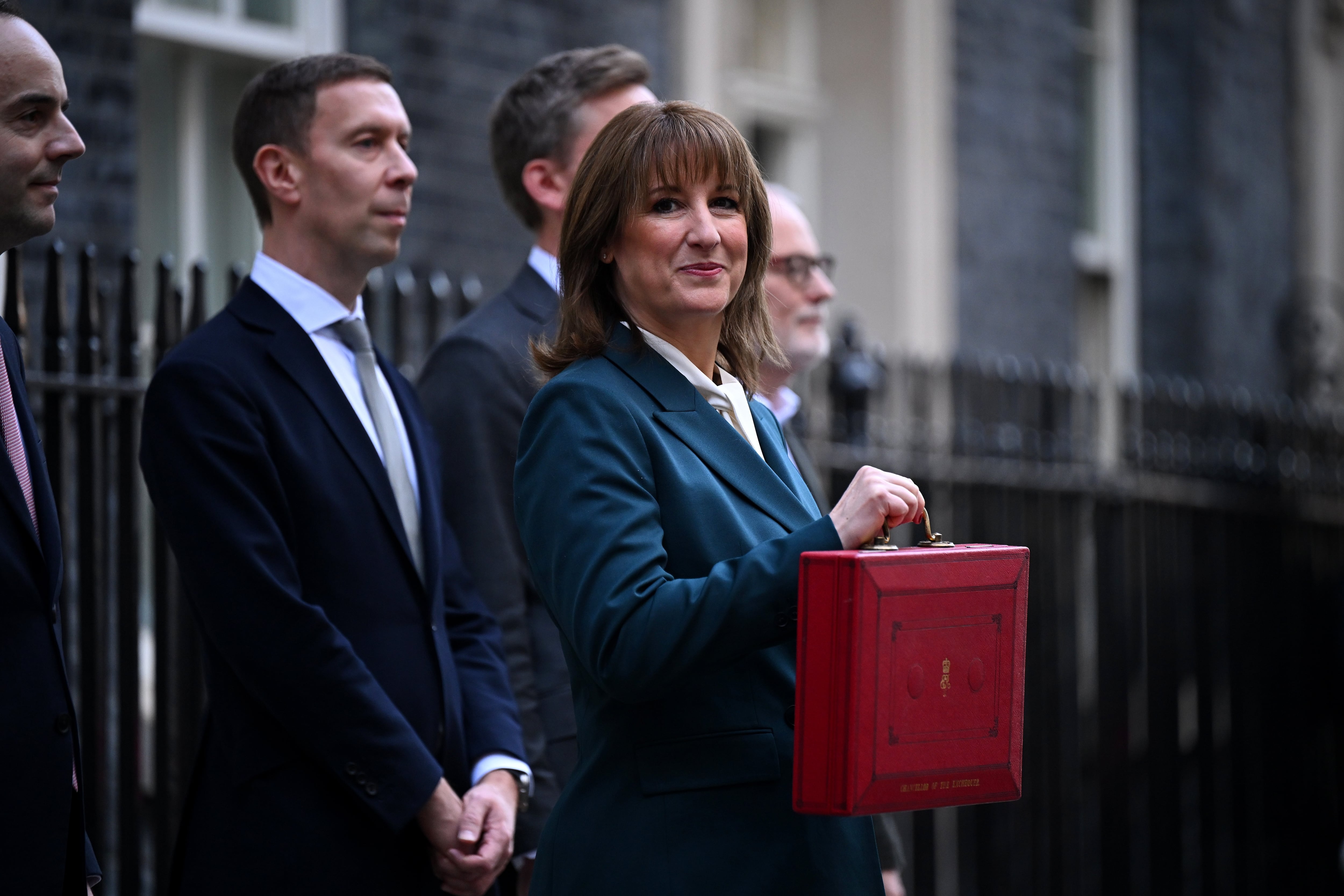
Mr Healey’s approach means crunch issues such as overhauling the welfare system and long-term investment in defence will be deferred. It also shies away from demands from the Labour left that he should ramp up taxes on wealth and raise spending on public services.
On Friday, he announced his budget would include measures to reduce the regulatory burden on businesses such as simplifying corporate reporting requirements, while also extending import tariff suspensions on products across sectors including chemicals, plastics and hydrogen.
“British firms are fed up with form-filling and pointless paperwork that eats into valuable time and money,” he said in a statement. “That is why we are cutting unnecessary bureaucracy and giving businesses the breathing space they need to invest, innovate and create good jobs.”
Iron triangle
Treasury officials describe Healey’s budget as a stepping stone moment, saying a major “10-year plan” speech planned by Mr Burnham later this year is the real main fixture for addressing Britain’s big structural problems.
A Labour official acknowledged to The National the limited scope for action. “Everything’s a bit in the long grass,” he said, including decisions on defence, welfare and taxation.
“The PM is actually stuck with the commitments that Starmer had, which is no increases in most of the taxes, so we are scratching around for income, most likely from a bank tax hike that might only raise a couple of billion.”
Andrew Murray, a former adviser to Labour’s leadership, said the budget would establish the direction of Mr Burnham’s government after he raised expectations of a different economic approach.

“Obviously, everyone will give him a bit of latitude, but the budget will really set the direction,” he told The National.
“If it is, as expected, a bit flat, a bit of a non-event, the only thing will be his 10-year plan for Britain that he promised before Christmas. He would need to really paint that in vivid colours and get it done soon if people aren’t going to start feeling a bit disappointed.”
But the government remained constrained by the competing demands of welfare, taxation and defence.
“It’s like an iron triangle, that really boxes you in,” he said, adding that the budget would test Mr Burnham’s promise of a more social-democratic future. “All the briefing is that apart from bank tax, Healey isn’t going to do anything very decisive.”
Further taxes on the well-off were unlikely, said the Labour official, because the government had already gone as far as it could, particularly following changes to the non-dom tax regime.
“It would be a surprise if there’s anything more on the wealthy because the non-dom tax has clearly had some impact,” the official said.
The Institute for Fiscal Studies has warned that the government faces spending pressures, particularly with its plans to increase defence spending to 3 per cent of GDP by 2030, which would require tax increases or benefit cuts of around £35 billion.
The budget will be a test of whether Mr Burnham can deliver on his Labour conference speech, which promised higher living standards and economic renewal while keeping spending within limits.
If he succeeds, it could sow the seeds for a Labour election victory. If he doesn't, Britain could revert once again to political and financial uncertainty, and a further exodus of the money-makers.