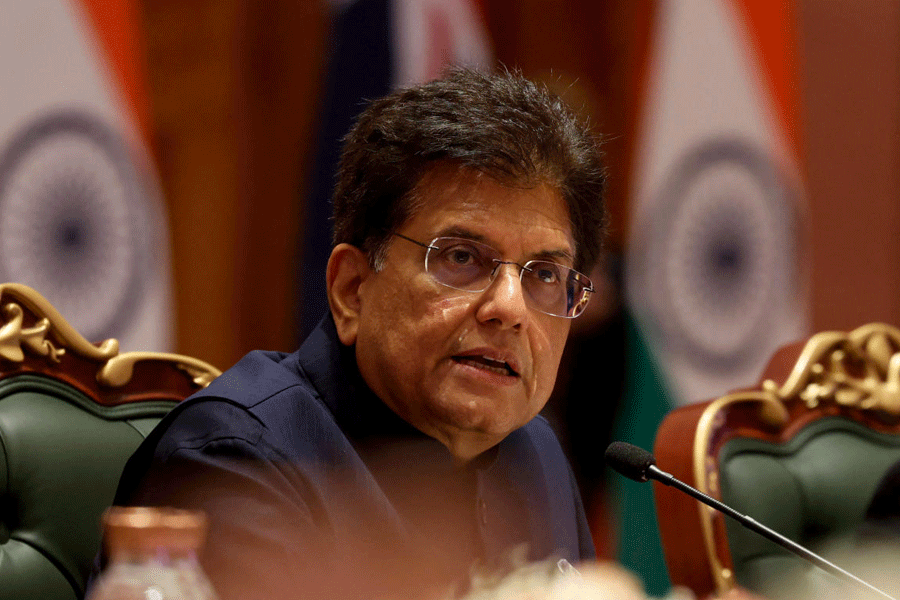
India and the US have concluded most of the discussions for a proposed bilateral trade pact, and they are now fine-tuning the agreement, Commerce and Industry Minister Piyush Goyal said on Monday.
"We have concluded most of the discussions and are fine-tuning the agreement," he said here while talking about the India-US trade agreement.
The minister is here on a two-day official visit. He is accompanying a business delegation.
Addressing the India-Netherlands Business Forum here, he said India has concluded nine free trade agreements in the last four and a half years.
India and the US, in February, announced finalisation of the framework for the first phase of the bilateral trade agreement (BTA). However, changes in the tariff landscape in the US have led to further negotiations on the pact.
Goyal’s remarks come days after US President Donald Trump expressed optimism about a deal with India, suggesting the agreement would differ from previous trade arrangements.
On October 20, Trump told reporters at the White House: “They want to make a deal. We’re going to make a deal. Pretty close, yeah.” He added, “It’s going to be a much different kind of deal than we’ve done.”
Trump has imposed tariffs on Indian goods, there are sanctions against Delhi for buying Russian energy (though currently paused) and there is a trade deal between the two countries that has remained elusive for around 20 months now.
Marco Rubio recently visited India and said the two sides were very close to finalising the agreement, with only a small number of issues left to be addressed.
“I would say we're about as close as you can be without having an executed agreement. I think there's a small number of items left to wrap up,” he said.
Rubio expressed hope that the remaining issues would be settled soon, paving the way for an announcement. “And perhaps the leaders can sign it thereafter,” he added.
Rubio's visit to India includes discussions on strengthening bilateral ties across trade, energy, technology, defence and people-to-people relations.
The Trump administration is under pressure to keep fuel prices in check ahead of November's US midterm elections, while rising tensions in the Middle East threaten global energy supplies.
With little new refining capacity expected in the immediate future in the US, India's ability to process large volumes of crude oil offers Washington a potential way to ease pressure on the fuel markets.
And that puts Reliance's Jamnagar refinery at the centre of the equation.
US Ambassador to India Sergio Gor also indicated progress in the negotiations, saying that the major issues had been addressed and the two countries were close to finalising an agreement.
External affairs minister S Jaishankar has also expressed optimism about the negotiations, saying both sides were “heading toward a landing point”.
While the latest statements suggest progress towards a deal, Trump's remark that it would be a “much different kind of deal” leaves its final terms unclear.
The deal remains significant for Indian exporters seeking competitive tariff terms and preferential access to the US market. India has maintained that the final agreement must give its exporters a competitive advantage over rivals in other countries.
India is also seeking assurances that if additional tariff penalties are imposed on India, for instance under the Russia sanctions legislation or the Section 301 excess-capacity investigation, these would add up to levies lower than those on competing countries, such as Vietnam, Bangladesh and Indonesia, and that no fresh tariffs will follow after the signing.