
WITH autumn showing no sign of turning cold, it’s the ideal time for a city break somewhere that doesn’t need the beach to shine.
Merida, the capital of sleepy Extremadura, was founded by the Romans as Augusta Emerita in 25 BC, and its past is never far away. Its archaeological sites were declared a UNESCO World Heritage Site in 1993, and this year marks two decades since the city joined Spain’s group of World Heritage Cities.
Here’s what not to miss.
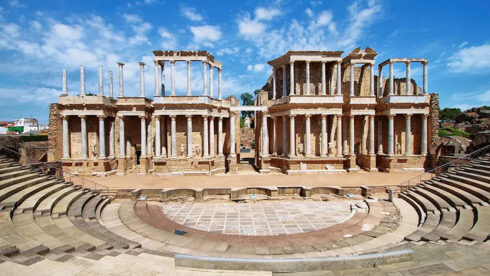
The city’s showpiece is its Roman Theatre, inaugurated around 16-15 BC under the patronage of Marcus Agrippa, the general best known for building Rome’s Pantheon.
It was built to celebrate Merida’s status as capital of the Roman province of Lusitania, and an inscription saying so can still be seen on the lintels of what was once the box for dignitaries.
Out of season, only a handful of visitors wander its stone seats. But every summer, the theatre returns to the purpose it was built for more than 2,000 years ago, hosting the Merida International Classical Theatre Festival.
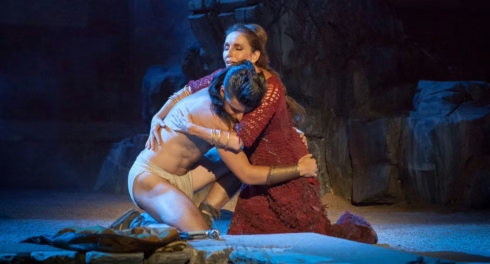
The neighbouring Roman Amphitheatre completes the set.
Jump forward eight centuries to the Alcazaba, built in 835 on the orders of Abd al-Rahman II. It is considered the oldest Moorish fortress of its kind in Spain and Portugal.
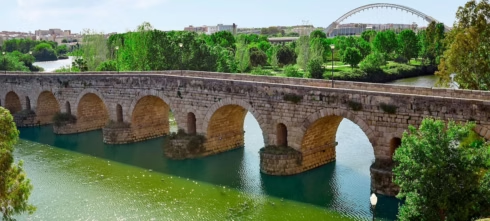
It was designed to defend and govern the city, and it guarded the approach across Merida’s remarkably well-preserved Roman bridge over the Guadiana.
Its builders recycled Roman and Visigothic stonework, including granite blocks, pilasters and capitals, into the walls and gateways.
Don’t miss the equally ancient cistern, either. Water filtered in from the Guadiana is still so clear that you can see small fish swimming in it.
The National Museum of Roman Art is celebrating 40 years in its current home, designed by Spanish architect Rafael Moneo and opened in September 1986.
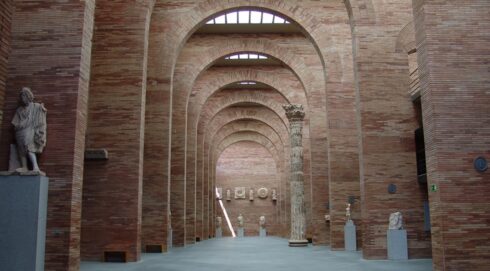
The building is a work of art in its own right, with sweeping Roman-style arches of brick and concrete. It is widely seen as one of Moneo’s first masterpieces.
Among its treasures is a striking head of the Emperor Augustus, his head veiled by his toga.
On the same street as the museum, Calle Jose Ramon Melida, is Terracota Merida, a ceramics shop and workshop run by the Perez Vinagre brothers, the third generation of a family of potters.
Their collections range from traditional botijos, the classic Spanish clay water jugs, to tableware used by several local chefs. One collection, ‘Archaeology of the Present’, puts a contemporary spin on ancient pottery.
Around two hours’ drive from Seville, it makes an easy weekend break for anyone in Andalucia. Go now, before the winter chill sets in, while you can have the ruins almost to yourself.
Click here to read more Olive Press Travel News from The Olive Press.