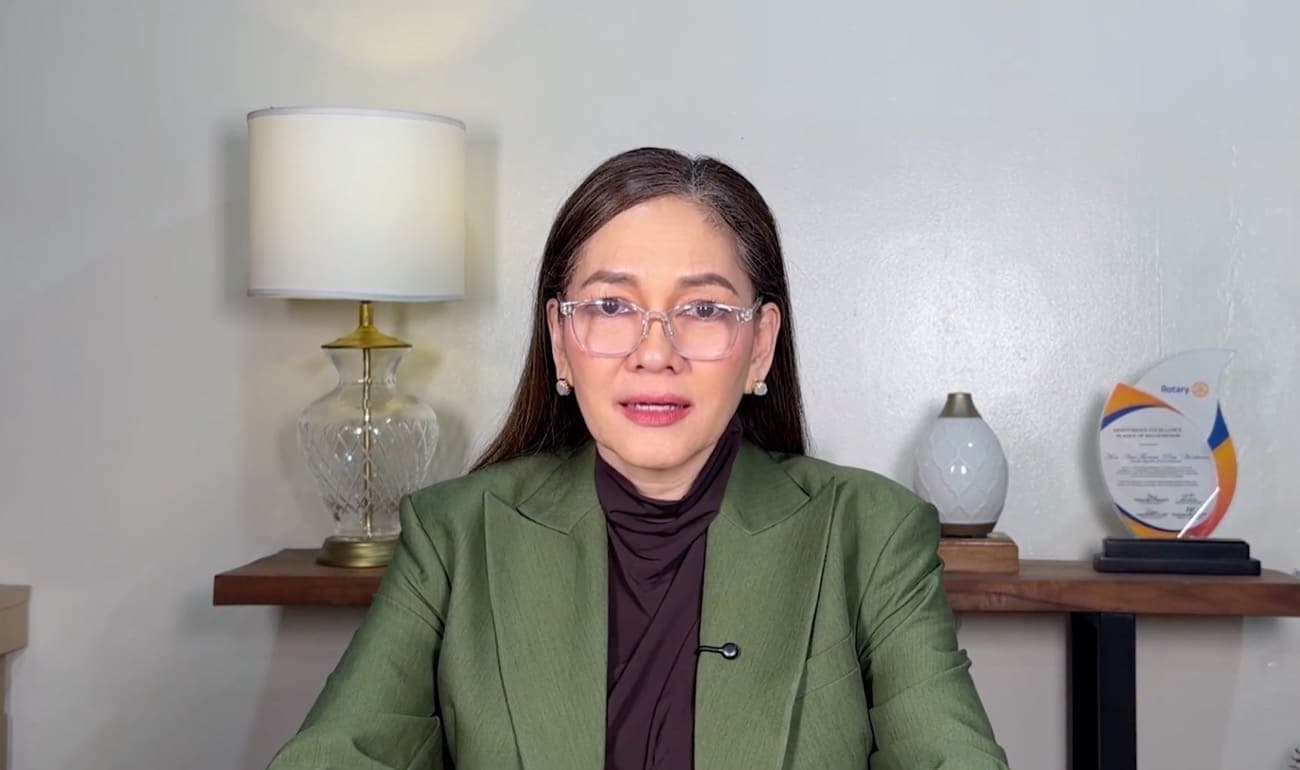

MANILA, Philippines — Sen. Risa Hontiveros on Tuesday urged local government units (LGUs) and the private sector to set up hydration stations and cooling centers in public spaces amid Super El Niño.
Hontiveros, head of the Senate Committee on Health and Demography, said reporting the day’s heat index alone was not enough and that people should not have to spend more to prevent dehydration and heat stroke.
READ: Aquino urges gov’t lenders to waive loan interest during Super El Niño
Article continues after this advertisement
“We must ensure that we have a safe place to rest and clean water to drink. The government should set up hydration stations—such as drinking fountains and water refilling stations—in public markets, transport terminals, and other high-traffic areas so that everyone has access to free, clean water,” she added.
FEATURED STORIES
NEWSINFO
NEWSINFO
NEWSINFO
She also said that existing government facilities, such as schools and community centers, could be converted into cooling shelters during periods of extreme heat caused by El Niño.
READ: Lacson: Use ‘savings’ from Senate budget cuts for El Niño preparations
Hontiveros encouraged private businesses to identify common areas within their establishments where the public could cool down.
“There is still time to prepare and open these spaces in a manner appropriate for their respective communities,” she added.
Article continues after this advertisement
In September, the Philippine Atmospheric, Geophysical, and Astronomical Services Administration warned that El Niño would likely become “very strong” in the remaining months of 2026 and persist through the first half of 2027.
Several senators have urged government agencies to intensify their preparations for the phenomenon, with Sen. Panfilo Lacson proposing cuts to the Senate’s 2027 budget to fund preparations and Sen. Bam Aquino urging government lending agencies to defer loan interest payments for small business owners.
Article continues after this advertisement
Financial resources for disaster preparedness
Meanwhile, Sen. Francis “Kiko” Pangilinan called on government agencies to review their available funds for disaster preparedness and risk reduction ahead of Super El Niño.
Pangilinan said the government must determine how much funding is available and should not wait for the harmful effects of El Niño, such as drought in agriculture and fisheries and a surge in food prices, to occur.
“Let us determine now where to source the funds and how to make them available quickly. We should not wait until the problem arises before scrambling to find the money. For once, let us be proactive rather than reactive,” he said.
As chair of the Senate Committee on Agriculture, Food, and Agrarian Reform, Pangilinan also called for the immediate release of available funds as part of his eight-point action plan to address the impact of Super El Niño.
However, he raised concerns about the possible underutilization of the proposed P112 billion in unprogrammed appropriations for the 2027 national budget, which includes allocations for risk management.
“Funds must not be wasted or squandered. The Department of Budget and Management should clarify the existing appropriations, available balances, and the amount that can be used for specific El Niño interventions,” he said.
Your subscription could not be saved. Please try again.
Your subscription has been successful.
“It is not enough to simply say that ‘there are funds.’ It must be clarified: How much can be used right now, where is it located, who will release it, and when will it reach those in need?” he added. With Martina Nieyandra Calica/INQUIRER.net trainee /mcm