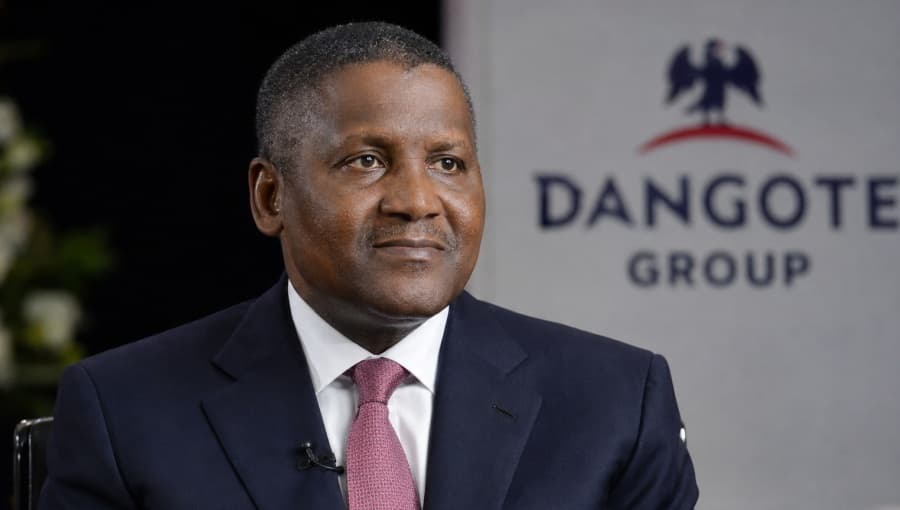
Kenyan state-backed pension funds agreed to lower their asking price for a 24.76% stake in Kenya Pipeline Company (NSE: KPC) after Nigerian billionaire Aliko Dangote threatened to abandon the KES42.5bn ($327mn) acquisition over a KES0.46-per-share difference, according to people involved in the negotiations.
The funds initially sought KES10 per share before lowering their demand to KES9.50, but eventually agreed to a base price of KES9.04 after four rounds of talks, Business Daily reported on October 25, citing the broker that arranged the sale.
The negotiated price was slightly above KPC’s regular-market price of KES9.02. According to the selling broker, a dividend adjustment worth KES0.32 per share raised the effective consideration to KES9.36, consistent with the reported KES42.5bn value of the approximately 4.5bn-share transaction.
Dangote agreed to forgo the economic benefit of the declared dividend in favour of the sellers, an arrangement valued at approximately KES1.4bn ($10.8mn). The dividend record date is November 30, although the precise settlement mechanism was not disclosed.
An earlier Business Daily report identified KES9.36 as the price recorded for the October 19 block trade. The KES9.04 figure therefore represents the negotiated base price before the reported dividend adjustment, rather than the total consideration per share.
See IntelliNews: Unidentified investors trade $327mn Kenya Pipeline stake in single block deal
Kenne Belgrad, managing director of Rock Investment Bank, which acted for the sellers, said Dangote had repeatedly rejected the pension funds’ original demands.
Belgrad defended the final terms, arguing that the effective KES9.36 price provided a positive return on the KES9 initial public offering (IPO) price. He put transaction costs at a maximum of approximately 1% and said the return after costs was close to prevailing Treasury bill rates.
The transaction has drawn political scrutiny. People’s Party of Kenya leader Ndindi Nyoro alleged on October 22 that President William Ruto had pressured state-backed institutions to buy KPC shares during the IPO and subsequently sell them to Dangote-linked interests. He also said the funds had bought at KES9 during the IPO and exited at between KES9.02 and KES9.36.
Nyoro further alleged that a future rights issue could allow Dangote-linked interests to acquire majority control. The allegations have not been independently substantiated, and no such rights issue or further acquisition has been announced.
Treasury Cabinet Secretary John Mbadi rejected the allegations, describing the sale as a commercial transaction between willing parties and warning that claims of political interference could deter foreign investment.
President Ruto defended the acquisition on October 25, accusing critics of reversing their earlier opposition to KPC’s IPO pricing and describing Dangote as a long-term investor. Before the IPO, some analysts had cautioned that the KES9 offer price was high relative to the company’s intrinsic value.
See IntelliNews: Kenya Pipeline IPO oversubscribed by 5.7% in country’s first major privatisation in over a decade
The selling broker disputed suggestions that the funds had lost money. However, individual funds’ net returns depend on their acquisition costs, transaction expenses and treatment of the dividend benefit.
Ownership shifts after IPO
The October 19 transaction transferred approximately 4.5bn existing shares, giving Dangote’s group the second-largest holding in KPC, behind the Kenyan government’s 35% stake. Dangote confirmed the purchase at the Financial Times Africa Summit in London on October 21.
The 24.76% stake sits just below the 25% threshold above which the transaction would have required Capital Markets Authority approval under Kenya’s takeover rules.
See IntelliNews: Nigeria’s Dangote confirms $327mn purchase of 24.76% stake in Kenya Pipeline Company
Uganda National Oil Company (UNOC), owned by the Ugandan government, holds another 20.15%, which it bought for $255.4mn in the IPO. Uganda secured two board seats and veto rights over matters including pipeline tariffs and dividend policy as a condition of its investment.
The National Social Security Fund (NSSF), the Public Service Superannuation Fund (PSSF) and the County Pension Fund (CPF) reduced their holdings, while smaller schemes, including Lapfund, Laptrust and pension funds associated with Kenya Power (NSE: KPLC) and Kenya Ports Authority, exited their investments, according to Business Daily. NSSF held about 22.2% of KPC before the sale.
The Unclaimed Financial Assets Authority and Kenya Reinsurance Corporation (NSE: KNRE) did not participate in the sale, the selling broker said. The combined stake held by state-linked pension schemes and agencies fell from approximately 38.35% to less than 15%.
KPC listed on the Nairobi Securities Exchange on March 10, following an IPO priced at KES9 per share that raised KES106.3bn through the sale of a 65% government stake.
Under KPC’s articles of association, shareholders holding at least 20% of issued capital 30 days before an annual general meeting are entitled to nominate a director, subject to the prescribed procedures. Dangote’s stake exceeds that threshold, although no board appointment has been confirmed.
KPC shares closed at KES10.55 on October 23, above both the IPO price and the reported acquisition price, following increased investor interest after Dangote disclosed the purchase.
The company operates Kenya’s principal petroleum pipeline network, including about 1,342km of pipeline, transporting refined fuel from Mombasa to inland markets and neighbouring East African countries.
Dangote’s acquisition expands his group’s exposure to regional fuel distribution alongside plans for a $16bn, 700,000-barrel-per-day refinery in Kenya’s coastal Lamu region, where he broke ground on September 30. However, the share purchase does not itself establish a supply agreement between KPC and the proposed refinery.
See IntelliNews: Nigeria’s Dangote breaks ground on $16bn oil refinery in Kenya
See IntelliNews: Nigeria’s Dangote outlines African fuel distribution network under $50bn investment plan