British higher education institutions are facing intense international scrutiny as Nigeria pushes back against soaring study costs and visa delays, warning that it will shift more students to alternative destinations like Germany and France.
- British universities face scrutiny from Nigeria over rising tuition costs and student visa delays, threatening traditional educational ties.
- Nigeria's Petroleum Technology Development Fund warns that increasing fees and administrative barriers are driving students to alternative countries like Germany and France.
- The UK government plans to introduce a £925 annual fee per international student, expected to push tuition even higher and generate £445 million in revenue.
- Experts and officials warn that the UK's new student levy could harm international student recruitment, with rising costs likely to divert students to other European countries.
The growing friction comes as the UK government prepares to implement a controversial £925 ($1,200) annual fee per international student on English universities, aimed at generating £445 million ($594 million) in first-year public revenue.
Representatives from Nigeria’s national energy fund that finances advanced technical scholarships, the Petroleum Technology Development Fund (PTDF), warn that relentless tuition increases and administrative hurdles threaten long-standing educational ties between both nations.
Nigeria warns the UK over tuition costs and visa delays
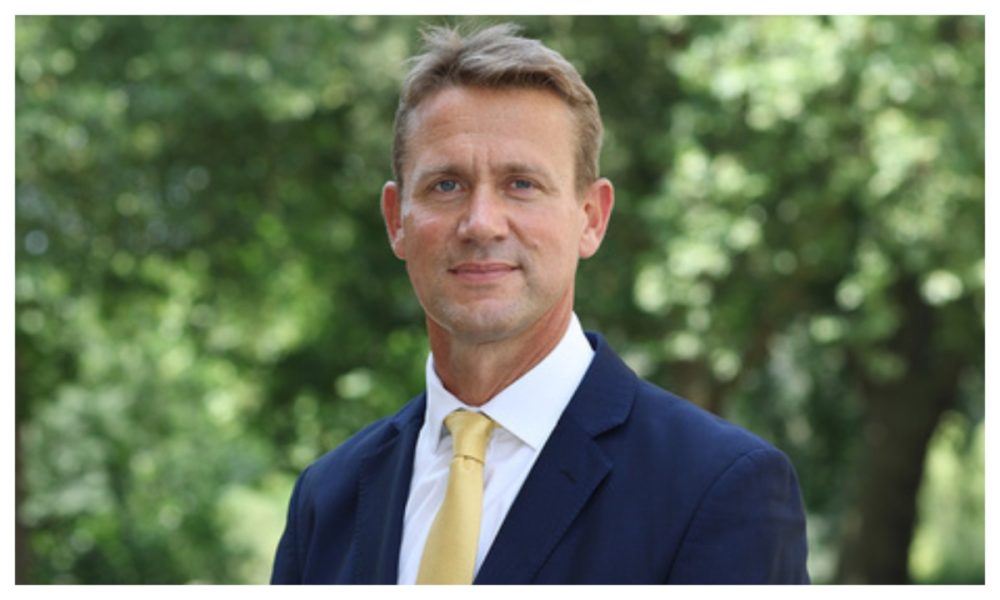
During a bilateral meeting in Kaduna, Nigeria, leadership from Nigeria’s national energy fund met with British High Commissioner to Nigeria, Peter Vowles, to demand urgent intervention regarding operational barriers affecting Nigerian scholars.
The fund, which has sponsored nearly 15,000 students for higher education in Nigeria and overseas, stressed that rising tuition across British campuses creates unsustainable financial burdens.
Addressing the British delegation directly, PTDF Executive Secretary Shu'aibu Aliyu stated, “I would like to take this opportunity to highlight several challenges we are grappling with our UK partners for the High Commission's attention. This includes an incessant increase of tuition. This is a very, very critical issue that PTDF is always grappling with”.
Logistical bottlenecks have further complicated the situation, with student visa delays causing researchers to miss their program start dates.
For instance, doctoral researcher Zulqornain Abdulsalam Gambari, who studies solar energy technologies at the University of Portsmouth, experienced multi-month immigration delays that pushed his arrival from June to August.
In response to these concerns, British High Commissioner Peter Vowles pledged to raise the issues with officials in London, remarking, “Executive Secretary, you raised a couple of challenges. We appreciate and acknowledge the difficulties sometimes in that. You mentioned visa and increases in tuition fees. Of course, we will take that away as a team and communicate back into the UK system”.
Germany and France present affordable alternatives amid new $594m UK student levy
Frustrated by the financial and administrative hurdles in Britain, Nigerian officials are actively pointing to rival European study destinations as viable alternatives.
Aliyu highlighted that the agency maintains active academic partnerships with European nations that offer far more predictable pricing models, observing, “Compared to other European countries, these are crisis problems. I want to draw the attention of His Excellency and your delegation to the fact that we have partnerships with other countries."
"We have a partnership with Germany, we have a partnership with France, and we have a partnership with Malaysia”.
To make scholarship funds go further, the fund has already established cost-sharing arrangements with German institutions to lower tuition rates, enabling it to fund a higher volume of scholars.
Adding to the pressure on British universities, the UK government is moving forward with a new International Student Levy that university leaders fear will push international tuition fees even higher.
Under the policy reaffirmed by Education Minister Josh MacAlister, English universities will pay £925 ($1,200) annually for each international student beyond a 220-student exemption threshold, targeting £445 million ($594 million) in first-year revenue.
Although the levy is charged directly to universities, experts warn institutions will likely raise international tuition fees to recoup expenses.

As reported by Business Insider Africa, Vivienne Stern, chief executive of Universities UK said that “It is a daft policy, and that is evident from the way that international recruitment trends have been unfolding this autumn”.
Stern added that “The Government’s projections about the income it will raise are already unrealistic,” pointing to growing fears that higher fees will drive international talent toward competing destinations across Europe.