Today marks the first anniversary of the Kuala Lumpur Peace Accords, witnessed by US President Donald Trump. One year on, a lasting peace remains a distant prospect. Parts of Cambodian territory are still occupied by the Thai military, and no substantive negotiations have been held for almost a year.
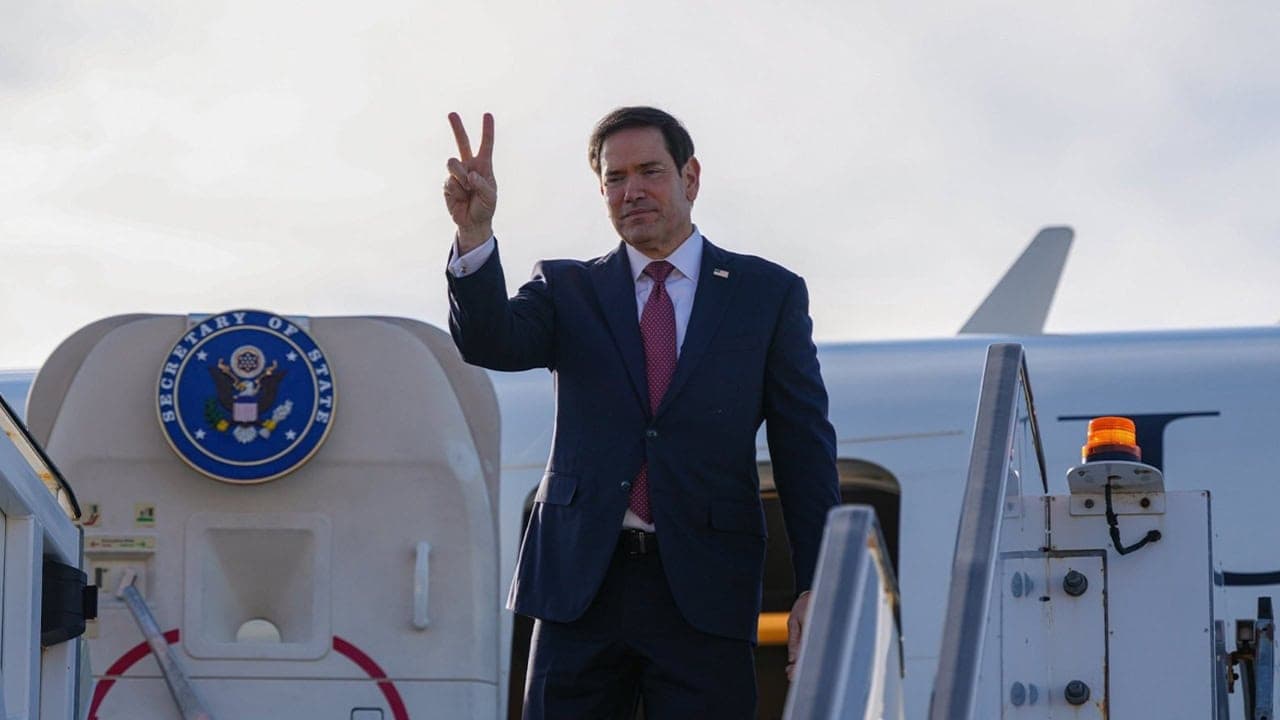
“One year ago today, President Donald J. Trump brought Cambodia and Thailand together to sign the Kuala Lumpur Peace Accords, a landmark diplomatic achievement made possible by his decisive leadership and commitment to peace,” said US Secretary of State Marco Rubio, as he marked the anniversary.
He claimed the accords demonstrated the power of American diplomacy to resolve conflict and laid the foundation for peace between Cambodia and Thailand. He also noted that the US remains hopeful that the agreement will provide a lasting peace.
“The United States continues to work with both sides to support implementation of the agreement and help make the promise of lasting peace a reality for the people of both nations,” he added.
The accord, signed on October 26, 2025, was intended to de-escalate tensions and establish a framework for resolving the border conflict between Cambodia and Thailand.
Less than two months after it was signed, renewed fighting broke out on December 7, with Thai Prime Minister Anutin Charnvirakul Thailand announcing that his nation would disregard or suspend commitments under the accord.
Since the second round of fighting ended on December 27, 2025, negotiations have stalled and around 20,000 displaced Cambodian civilians remain in temporary shelters and “waiting villages”.
The Thai military occupies many parts of Cambodian soil, well beyond their territorial claims, while illegal activities in the occupied areas are reported regularly by Cambodian authorities.
Cambodia has continued to call for the implementation of previously agreed measures and the resumption of border negotiations, as the lack of substantive progress prolongs uncertainty for affected communities.
One year after the signing ceremony in Kuala Lumpur, the accord remains an empty diplomatic framework. Cambodian communities affected by the conflict still yearn for a true, lasting peace, not only via international assurances but also through concrete steps towards ending the military occupation, resuming negotiations and allowing displaced families to return home safely.