
It's easy to spend $200 on groceries and feel like you have little to show for it a week later. When grocery bills feel relentless, the right combination of store discounts, a well-chosen credit card and stackable offers can help you save money and earn more rewards.
Here's how to squeeze more value out of every grocery run and keep a little more room in your budget for the fun stuff.
Cut the bill before you chase rewards
A 5% grocery bonus does you no good if you pay 10% more for the same cart. Walmart, Target and wholesale clubs frequently don't code as grocery stores or supermarkets for credit card rewards. That doesn't mean you should avoid them. If their lower prices save you more than your credit card earns, take the savings and don't look back.
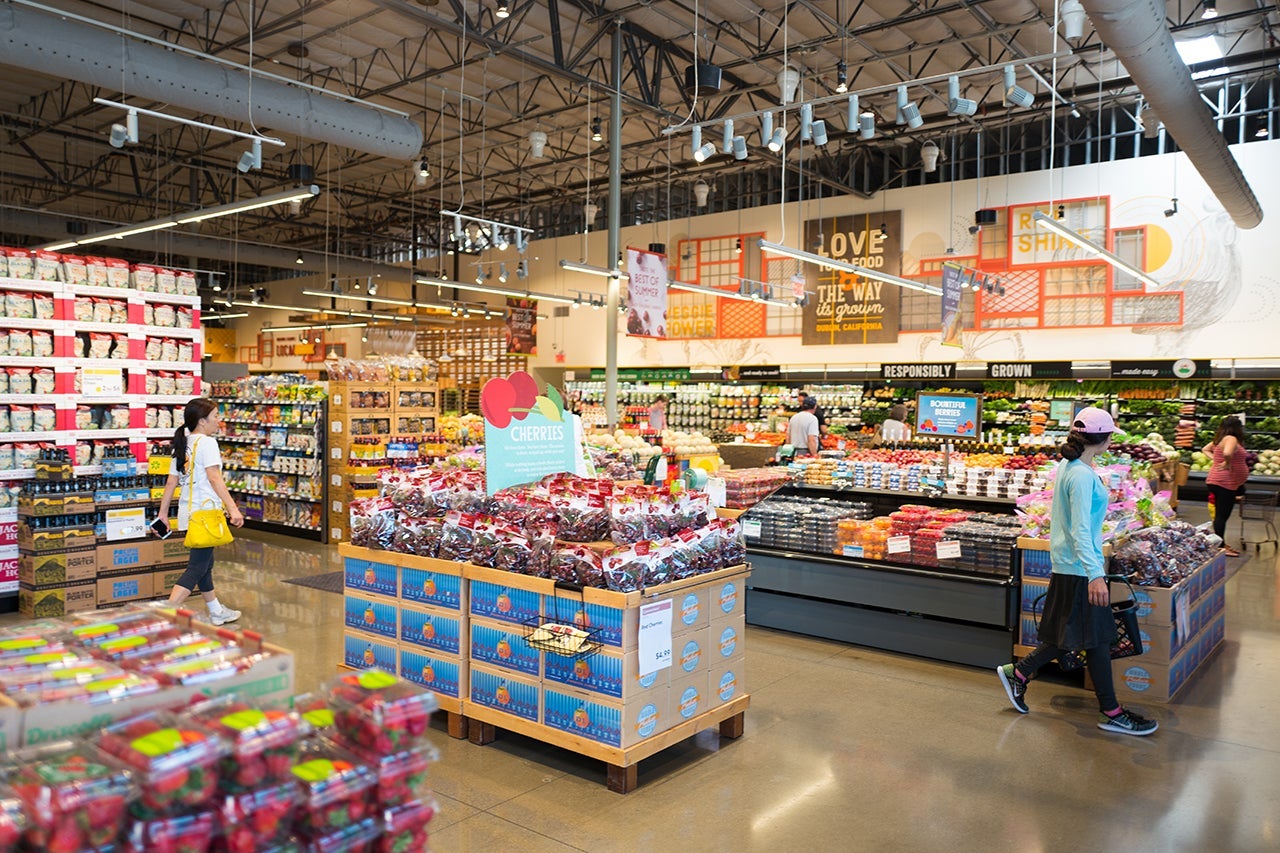
When issuing rewards, your card issuer cares about the merchant category, not what you bought. If you're unsure whether a store qualifies for bonus points, make a small test purchase and check the rewards after it posts.
Match your card to your cart
I used to think the best grocery card was the one with the highest earning rate. Turns out, the biggest number doesn't always win once you factor in annual fees, spending caps and benefits you may not use.
The right card starts with what your household actually spends and what you want to earn. The three options below cover three distinct approaches: earning transferable points, maximizing cash back within a spending cap or earning unlimited cash back without an annual fee.
The best fit is the one that rewards the way you already shop.
American Express Gold Card: Best for households that want transferable points
The American Express® Gold Card earns 4 Membership Rewards points per dollar spent at U.S. supermarkets on up to $25,000 in purchases per calendar year, then 1 point per dollar.
That high cap makes it a strong option for households with substantial grocery spending, especially those who value Membership Rewards points and will transfer them to airline or hotel partners.
Still, earning 4 points per dollar spent isn't necessarily enough to justify the card's $325 annual fee (see rates and fees). The card makes the most sense if you can also use its dining rewards and food-focused statement credits. The credits should fit your life, not become a monthly scavenger hunt.
For more details, check out our full review of the Amex Gold Card.
Apply here: American Express Gold Card
Blue Cash Preferred Card from American Express: Best for households with moderate spending
The Blue Cash Preferred® Card from American Express earns 6% cash back at U.S. supermarkets on up to $6,000 in eligible purchases per calendar year, then 1%.
Maxing out the $6,000 annual supermarket spending cap would earn $360 in cash back before accounting for the card's annual fee. Cash back is received in the form of Reward Dollars that can be redeemed as a statement credit or at Amazon.com checkout.
The card has a $0 introductory annual fee for the first year, then a $95 annual fee (see rates and fees).
I used to have this card and loved it until we started hitting the $6,000 cap well before year-end. Households that spend $500 or less per month at supermarkets may never notice the cap.
Bigger spenders should have another card ready once the rate drops to 1% or may prefer to look for a different one-card solution.
For more details, read our full review of the American Express Blue Cash Preferred Card.
Apply here: Blue Cash Preferred Card from American Express
Capital One Savor Cash Rewards Credit Card: Best for straightforward, uncapped cash back
The Capital One Savor Cash Rewards Credit Card earns unlimited 3% cash back at grocery stores, excluding superstores such as Walmart and Target. It also earns 3% back on dining, entertainment and popular streaming services, all with no annual fee.
The lack of a spending cap is the real draw, letting you earn at a strong rate without tracking how much you've spent or switching cards partway through the year. That's especially appealing for anyone whose grocery spending regularly blows past the caps on higher-earning cards. It may not offer the flashiest rate, but there's no calculation required at checkout or decision fatigue when it comes time to renew your card.
Learn more: Capital One Savor Cash Rewards credit card
Use temporary grocery bonuses strategically
Rotating grocery bonuses are worth rearranging your wallet for, but don't rewrite your entire shopping list.
The Chase Freedom Flex® (see rates and fees), for example, earns 5% cash back on up to $1,500 in combined purchases across its activated quarterly categories, then 1%. When grocery stores appear as a quarterly category, that's a good reason to pull out the card at checkout. But keep in mind you need to activate the bonus category and pay attention to when the bonus ends.

If your routine grocery bill won't max out the quarterly bonus, this could be a good time to stock up on essentials. Fill the pantry and the freezer with long-lasting staples you know you'll use eventually if your budget allows.
Once the bonus period ends, or you've reached the spending cap, you'll want to switch back to another card so your grocery purchases earn more than 1%.
Related: Current Chase Freedom quarterly bonus categories
Order online when it earns more
Sometimes the most rewarding grocery aisle is the one you never walk down.
The Chase Sapphire Preferred® Card (see rates and fees) earns 3 points per dollar spent on online grocery purchases, excluding Target, Walmart and wholesale clubs. I've found that curbside orders from my preferred grocer earn the bonus without adding price markups, delivery fees or tips.
Some Instacart purchases may code as groceries even when the underlying retailer is a warehouse club, such as Costco. However, merchant coding can vary, so it's worth testing a small order before relying on the bonus.
You'll also want to double-check that service fees, delivery charges or marked-up prices don't erase the value of a higher rewards rate — unless you were paying for that convenience anyway.

Amazon Fresh also works differently: Purchases generally code as Amazon rather than as a grocery order. With an eligible Prime membership, the Prime Visa earns 5% back on Amazon Fresh orders, so it may beat your usual grocery card.
The information for the Prime Visa has been collected independently by The Points Guy. The card details on this page have not been reviewed or provided by the card issuer.
Related: The best credit cards for online grocery delivery services
Stack savings before you check out
The card you swipe is only one layer of grocery savings, not the entire strategy.
Start with the store's loyalty program or app to load digital coupons and access member pricing. That's often the fastest way to slash your total bill, especially if you meal plan directly around that week's deals.
Then check your card issuer's app or online account for targeted promotions such as Amex Offers, Chase Offers or Citi Merchant Offers. I often see discounts for three of my local grocery stores, meaning with the right card, I could save by shopping at Natural Grocers, Sprouts Farmers Market or King Soopers. These offers generally need to be activated in your account before purchase, but it's easy to do so.

Rebate and receipt apps such as Ibotta, Fetch and CoinOut can squeeze a little more value from the same purchase when you upload your receipt. I also love using Aisle to look for freebies (or smaller discounts on brands I buy anyway).
Some supermarket loyalty programs add one more layer by awarding points that can be redeemed for fuel discounts. Check the expiration rules, redemption limits and participating stations before letting fuel points influence where you shop.
When buying last week's groceries, I specifically purchased several items from my supermarket's weekly sales, clipped digital coupons to my store loyalty account, used a Chase merchant offer for 5% back, paid with my Freedom Flex for another 5% rewards this quarter and earned fuel points on the full purchase amount. On a $151 cart before discounts, I saved about $23 through sales and coupons and earned another $11 through the Chase Offer and credit card rewards.
Related: What is the best gas rewards program for saving at the pump?
Bottom line
Groceries aren't getting any cheaper, and no rewards strategy will make a $200 checkout feel fun.
But one purchase can include sale prices, digital coupons, a card-linked statement credit, a rebate, fuel discounts and regular credit card rewards.
You don't need to turn grocery shopping into a part-time job, but you should be able to layer a few discounts as an easy win every time. The key is to stack offers that fit your regular shopping habits without spending more just to earn rewards.
For rates and fees of the Amex Gold Card, click here.
For rates and fees of the Amex Blue Cash Preferred Card, click here.
Editorial disclaimer: Opinions expressed here are the author’s alone, not those of any bank, credit card issuer, airline or hotel chain, and have not been reviewed, approved or otherwise endorsed by any of these entities.