
By PYMNTS | October 27, 2026
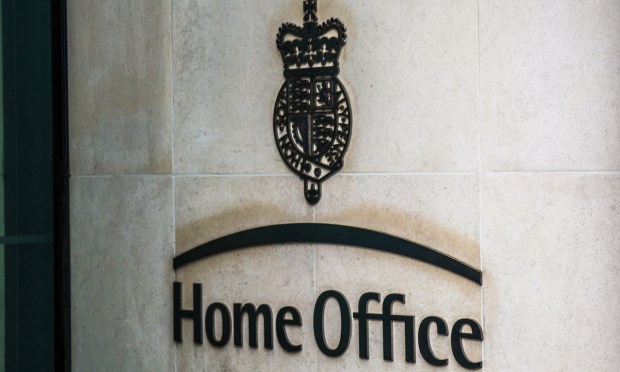
The U.K. Home Office faces a possible investigation into its use of artificial intelligence (AI) in asylum processing, following research that raises questions about accuracy, transparency and safeguards governing technology used to support consequential government decisions.
The Independent Chief Inspector of Borders and Immigration has sought additional information from digital rights nonprofit Open Rights Group (ORG) as it develops next year’s inspection priorities, WIRED reported. The inspectorate has not confirmed an investigation, but acknowledged concerns about the tools and cited earlier findings that one system’s effectiveness and reliability varied.
The controversy stems from ORG’s report, “Automated Discrimination: Unpacking the Digital Hostile Environment.” Its six-month investigation drew on limited published information, 10 public records requests, 11 parliamentary questions and two ministerial letters. The Guardian reported that its findings extend beyond asylum processing to other Home Office uses of AI, including border surveillance and case prioritization.
At the center of the potential inspection are Asylum Case Summarisation, or ACS, and Asylum Policy Search, or APS. According to documents obtained by ORG, the tools use OpenAI’s GPT-4 model and Microsoft Foundry. ACS summarizes interview transcripts, while APS helps caseworkers find and summarize country policy information relevant to gauging asylum seekers’ risk of harm.
The Home Office began piloting the systems in late 2024. Government estimates indicated that using them together could save approximately an hour per case. But ORG’s findings suggest that efficiency gains have outpaced public explanations of how errors are identified, corrected and prevented from influencing decisions.
ORG found that the proportion of ACS summaries deemed unsuitable for use, often because of factual errors or misrepresentations, was significantly higher than the 9% reported in the published pilot evaluation. It also found no quality control for APS summaries, according to WIRED.

We’d love to be your preferred source for news.
Please add us to your preferred sources list so our news, data and interviews show up in your feed. Thanks!
The Home Office disputed the implication that AI determines outcomes. Its spokesperson told WIRED that trained caseworkers make asylum decisions and that the tools assist only with reviewing records and policy information.
“They cannot be used in isolation and do not make decisions on claims,” the spokesperson said. The department also said it monitors performance through established quality-assurance processes and has committed to publishing updated evaluations.
The regulatory concern nevertheless extends to how AI-generated information shapes human judgment. An inaccurate interview summary or country assessment could influence a caseworker even when the formal decision remains with a person. Researchers also warned that cultural bias and lost linguistic nuance could contribute to discriminatory outcomes.
Transparency presents another oversight gap. WIRED reported that the government’s AI Playbook requires departments to disclose algorithmic tools used in decision-making processes, including through a public repository. Neither ACS nor APS appears on that register.
Applicants are also not told when the tools are used in their cases. An independent legal opinion from Cloisters lawyers, commissioned by ORG, concluded that an inability to challenge an incorrect AI summary of personal information may breach U.K. data rights law. The Home Office said its privacy notice explains that parts of processing may involve automation.
Separately, the U.K.’s data regulator is investigating the Home Office’s refusal to disclose information about staff use of, and training on, the two tools, WIRED reported. That inquiry concerns access to information and should be distinguished from the possible inspectorate examination.
ORG is seeking AI regulation, stronger disclosure requirements and restrictions on uses that threaten human rights. The broader issue is whether government guidance and existing legal protections provide effective safeguards without clearer, enforceable rules.
Public Law Project researchers identified ACS and APS among 11 high-risk government AI systems missing from the public repository. That finding makes the Home Office controversy a wider test of public-sector accountability: meaningful scrutiny depends on knowing which systems are operating, how their outputs are checked and how affected individuals can challenge mistakes.`