
For many voters, AI and the data centres it requires look like the ultimate neoliberal reform: disruption and higher costs while the benefits flow to the elite.
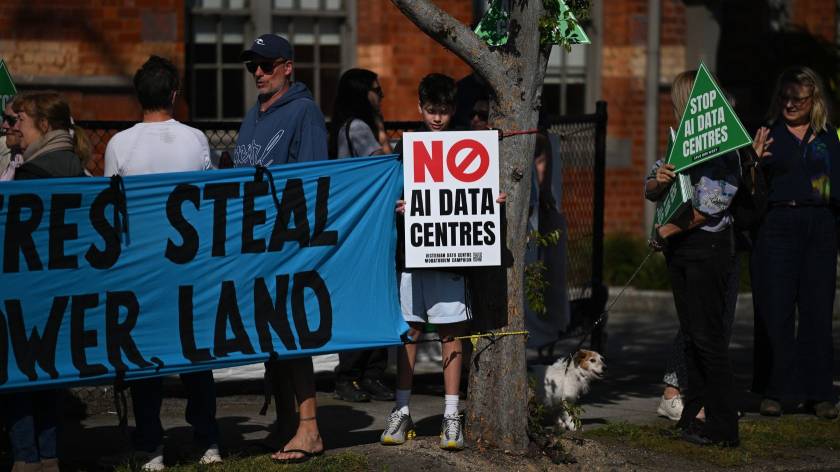
The pile-on on data centre companies isn’t stopping. NextDC, which has seen its share price fall two-thirds since June, and half in a month, has had to cough up a chairman and a bonus for CEO Craig “weird beard” Scroggie over the fallout from its plan to foist industrial-scale power infrastructure on the residents of West Footscray, and even that may not be enough to satisfy class action lawyers. And the Firmus debacle continues to enjoy some amusing commentary from Australia’s biggest investors, with super funds representatives using phrases like “closer to $1 than $11” (ouch), “an easy offer to reject” and “the valuation was somewhat hopeful.”
Meantime, in the US, where data centres loom as a major, and unifying, issue in the mid-terms, half of voters oppose data centres being built within three miles of their homes – and just 21% like the idea. Just to add to the toxicity, the Trump administration appears to be planning joint data centres with the Putin regime.
The industry’s lobby group in Australia is whingeing about governments no longer being supportive enough and relying on threats of lost investment. Community opposition, the lobbyists says, is just a passing fad, and they insist there are benefits for the communities that are next to data centres.
Related Article Block Placeholder Article ID: 1270374

What the benefits of data centres are is a mystery. Data centres create few, if any, ongoing jobs, and their construction adds to inflationary pressures and higher interest rates. They use what could otherwise be prime residential land in metropolitan areas. Their impact on the electricity grid and water supplies is well-known. For local residents, data centres simply mean dramatically reduced amenity in their suburbs — such as the massive power poles required by NextDC’s M3 project – without even the offsetting benefit of higher-density housing against which NIMBYs usually rail. The industry the data centres serve is, for most people, one of unclear benefit: AI promises, according to its spruikers, dramatic dislocation of the workforce or, according to doomsayers, annihilation of the human race. Neither is exactly a compelling value proposition for regular workers.
So far, the actual impacts of AI appear limited to making it triflingly easy to discover and exploit cybersecurity weaknesses on a scale no hacker previously dreamed of, dramatically increasing the possibility of the costly loss of personal data. The promised productivity gains might finally be starting to appear but remain minimal and subject to a human choke point of verification, and the return on AI investment for firms still appears poor. When combined with the inflationary effects of the AI investment boom, the economic harm from the hacking enabled by AI might, for the moment, outweigh the productivity gains it provides. On a more positive note, the promised employment dislocation caused by AI has yet to appear.
Independent. Irreverent. In your inbox
Get the headlines they don’t want you to read. Sign up to Crikey’s free newsletters for fearless reporting, sharp analysis, and a touch of chaos.
By continuing, you agree to our Terms & Conditions and Privacy Policy.
Related Article Block Placeholder Article ID: 1268397

In terms of convincing the community of the case for data centres rather than simply hoping governments steamroller local opposition, the data centre lobby appears clueless. In many ways, AI and data centres took like the ultimate neoliberal reform: the community is being told it must accept reduced amenity, poorer quality of life, a higher cost of living and increased dislocation in exchange for promised benefits that we know are far more likely to flow to the elites of one particular industry — the AI giants and the smirking tech bros and financiers behind outfits like Firmus and NextDC – than to ordinary workers and consumers. Indeed, unlike the free market reforms of the 1980s and 1990s, which delivered higher wages and genuine increases in living standards, the case for AI is that it will cut employment dramatically.
For that matter, AI doesn’t even stack up particularly well in free market terms – it relies heavily on absorbing the intellectual labour of millions of people for free in order to train its models. AI promises massive economic benefits, but only if governments allow it to take a key input for free – as well as push up energy prices for everyone else. Such arguments wouldn’t have passed muster in the 1980s – it would have been dismissed as another rentseeking industry with its hand stuck out. Ironically, now that we’re in a post-neoliberal world and governments playing favourites is back in favour as industry policy, it’s a different story.
But after four decades of watching how the “free market” game is played by powerful corporate interests, the community has a healthy suspicion of self-serving industries and the way they cultivate governments. Unusually, investors are increasingly suspicious themselves that the promises on offer don’t match the reality. The scepticism toward data centres and AI is coming from both the community and the capital. It’s governments that look increasingly disconnected.