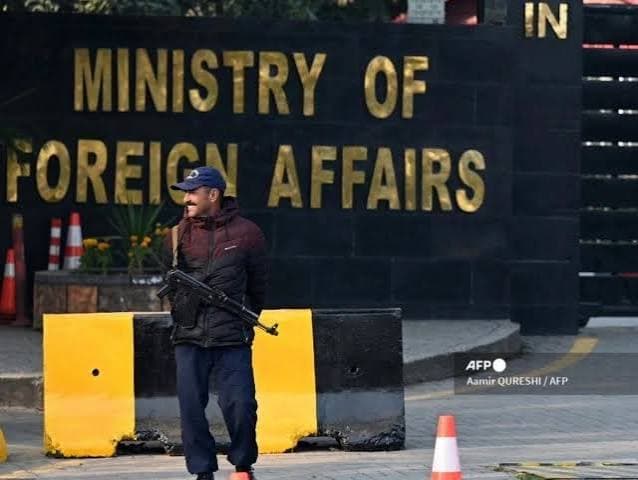
Pakistan on Monday strongly condemned recent Houthi missile attacks targeting Saudi Arabia’s Makkah and Madina regions as a grave violation of sovereignty. In an official press statement, the Foreign Office expressed deep concern over the escalating military strikes directed at civilian and religious territories. Furthermore, Pakistani diplomats emphasized that targeting holy regions demonstrates a complete disregard for the sanctity of Islam’s sacred locations. Consequently, the federal government reaffirmed its steadfast commitment to the Makkah Defence Alliance and Saudi security interests. Therefore, Pakistan reiterated its complete solidarity with the Kingdom in defending its territorial integrity against external aggression.
Read More: Saudi security non-negotiable, says Pakistan amid Houthi attacks
The official statement praised the high operational efficiency of the Saudi Air Defense Forces in intercepting incoming ballistic missiles. Saudi defense systems successfully intercepted incoming threats aimed at vital infrastructure, though falling missile debris landed in Makkah and Madina areas. Meanwhile, the Muslim World League also issued a formal condemnation, warning that attacks near holy sites threaten global Muslim sentiments. Furthermore, international organizations called for an immediate end to hostile military actions that jeopardize regional stability and civilian safety. Consequently, diplomatic consensus highlights growing concern over cross-border escalation in the region.
The latest escalation involved coordinated Houthi strikes targeting key Saudi energy infrastructure, airports, and military installations across multiple provinces. Houthi military representatives claimed operations directed against fuel pipelines, oil refineries, and regional airports in Riyadh, Yanbu, and Rabigh. However, Saudi Civil Defence confirmed that intercepted missile fragments scattered over surrounding residential and desert areas. In response, Houthi officials denied intentionally targeting religious sites, claiming their operational focus remained restricted to military and industrial assets. Nevertheless, regional defense analysts emphasize that unguided missile strikes risk catastrophic collateral damage across urban centers.
The sudden surge in cross-border missile engagements effectively shatters the fragile, United Nations-brokered truce established back in 2022. That historic agreement had largely halted direct cross-border strikes between Saudi-led coalition forces and Yemen-based Houthi fighters. Furthermore, the renewed hostilities threaten ongoing diplomatic efforts intended to secure permanent peace agreements across the Arabian Peninsula. International security experts warn that expanded military action jeopardizes commercial shipping lanes and regional energy security. Consequently, regional powers actively urge all conflicting factions to exercise strategic restraint and resume structured dialogue.
Read More: Pakistan demands UNSC action to halt Houthi strikes on Saudi
Pakistan reiterated its firm pledge to support Saudi Arabia’s defense, emphasizing that safeguarding the Two Holy Mosques remains a top priority. Defense officials across allied capitals continue coordinating closely to monitor regional air defense networks and security developments. Meanwhile, international monitoring agencies advocate for renewed peace negotiations to prevent further destabilization across Yemen and neighboring territories. Furthermore, diplomatic missions urge all involved parties to prioritize civilian protection and respect international law. Ultimately, Pakistan remains committed to promoting diplomatic solutions to achieve lasting peace across the Middle East.