South Korea's financial watchdog will require clearer risk disclosures when retirement pension savers buy and hold exchange-traded funds. From next year, products that savers may hold with up to 100% of their retirement assets will carry a risk grade alongside the investment cap, so they are not mistaken for principal-guaranteed products.
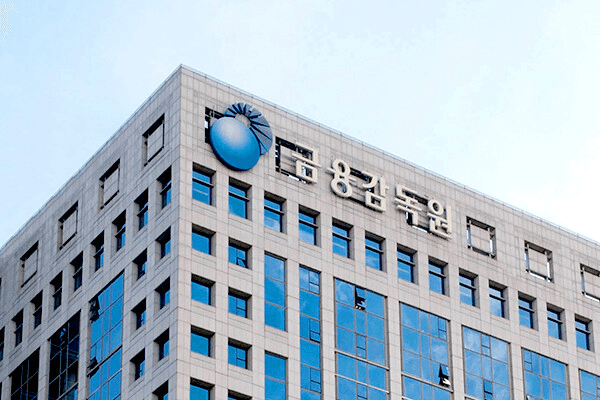
The Financial Supervisory Service announced the measures on the 27th. The rules are set to take effect in January, with some pension providers applying them in the first half of next year if their IT development runs behind schedule.
The move follows a judgment that risk disclosure has not kept pace with the rapid growth of ETF investing in retirement pensions. Of the 558.3 trillion won in retirement pension assets at the end of the first half of this year, 198 trillion won was in performance-based products. ETFs accounted for 99.8 trillion won, or 50.4% of that total. ETF holdings have swelled about 11-fold from 9 trillion won at the end of 2023.
An FSS review of disclosure practices at pension providers found that some mobile and online trading screens showed only the investment cap, with no indication of risk. ETF risk grades range from Grade 1, or very high risk, to Grade 6, or very low risk, but savers could not easily check them.
Defined contribution plans and individual retirement pensions allow savers to put up to 70% of their assets into risky products. Products deemed to carry lower investment risk, such as ETFs that hold less than 50% in equities, may account for up to 100% of assets. Those products can still lose principal, but describing them only as having a 100% investment cap — the same wording used for bank deposits and other principal-guaranteed products — risks confusing savers, the regulator said.
A risk grade can change even when the investment cap does not. Three years after a fund is launched, its risk grade is calculated from past return volatility, and asset managers reassess the grade once a year and adjust it if needed. One actively managed ETF tracking 30-year Korean treasury bonds, which savers may hold with up to 100% of their assets, was reclassified in August this year to Grade 3, or somewhat high risk, from Grade 5, or low risk, in August 2022.
The FSS plans to require that investment caps and risk grades be displayed together on trading screens and on screens used to search available products. Risk grades will also be included in the product proposals that pension providers give savers, alongside returns and fees. To let savers check risk levels after they sign up, a risk grade column will be added to the list of holdings in the asset management status report.
An FSS official said a notice that savers may invest up to 100% of their assets means only that there is no legal cap on the investment, not that principal is protected or returns are assured. The official urged savers to check the risk grades of their holdings regularly through the asset management status report and use the information to manage portfolio risk.