MBABANE –What is the current realistic situation of the Eswatini education sector and what does its future look like?
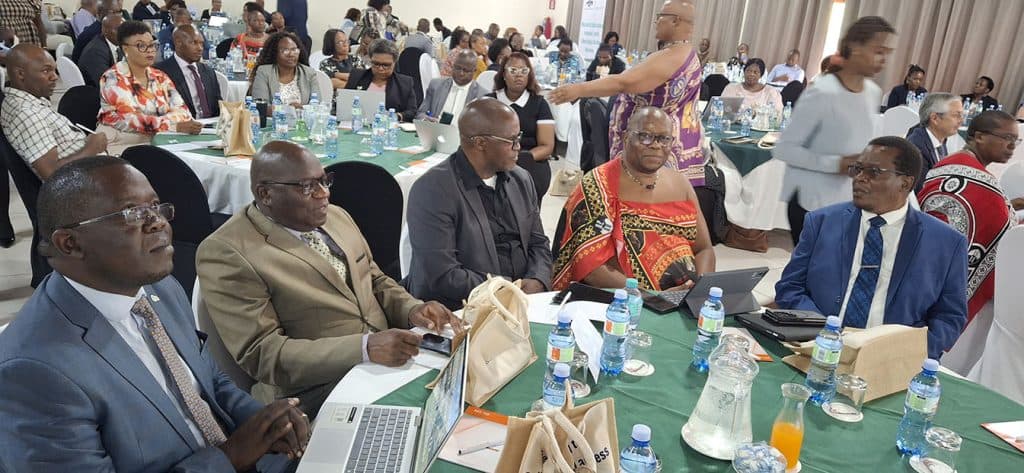
These are questions that are set to be answered as stakeholders from across Eswatini’s education sector have gathered at SibaneSami Hotel for a three-day Education Indaba to take stock of the sector and chart a clearer path from planning to delivery.
The Education Joint Sector Review (JSR), convened by the Ministry of Education and Training (MoET) is being held under the theme “From Planning to Delivery: Ensuring Access to Quality Education for Every Learner.”
The event has brought together government, development partners, civil society, teacher unions, principals, parents, youth representatives and the private sector for what MoET says will be a frank, evidence-informed review of progress, performance and financing.
The first day has been dedicated to a high-level sector dialogue on where the sector stands and why.
Central to the discussions is the Education Sector Strategic Plan (ESSP) and its Medium-Term Action Plan, with presentations drawing from the National Education Performance Report 2025.
Panellists including the Director of Education, Business Eswatini, ESEPARC, the Eswatini Principals Association, the Swaziland National Association of Teachers (SNAT) and the Parent Youth Advisory Board are debating what has worked, what has not, and what needs to change for the transformation plan to succeed.
Key sessions today include education financing with the Ministry of Finance, reforms and teacher readiness focusing on the Competency-Based Education rollout and the four-year programme, skills development and youth unemployment, Early Childhood Care, Development and Education (ECCDE) and Grade 0 expansion, as well as access, retention and progression, and quality of learning.
Tomorrow, the Indaba moves into technical deep dives in six concurrent tracks: Retention, Access and Progression; Education Reforms and Teacher Readiness; Education Financing; ECCDE and Grade 0 Expansion; Quality of Education; and Skills, TVET and Youth Employment. Each track is expected to identify binding constraints and propose up to three draft recommendations.
On Wednesday, stakeholders will consolidate findings and agree on a maximum of about 15 priority recommendations, with clear responsibilities, timelines, resources and indicators.
According to the ministry, the key outputs will include a sector performance review, prioritised recommendations, an action matrix with named owners, a follow-up framework with quarterly reporting to senior management and the local education group, and a draft aide-memoire to be adopted in principle and later approved by senior management.
The Indaba comes at a time when the sector faces persistent challenges of repetition and dropout at Grades 5 to 6 and Forms 2 and 4, low Grade 0 coverage at 33.9 per cent gross enrolment rate across 420 public schools, financing alignment issues, and questions around learning outcomes and teacher readiness.
The post Stakeholders converge for Education Idaba appeared first on Times of Eswatini.