Bilateral trade between China, the world's second-largest economy and South Africa, Africa's largest economy expanded by nearly 24% year-on-year to almost $15 billion. The surge followed Beijing's launch of a temporary zero-tariff arrangement for eligible African exports.
- Bilateral trade between China and South Africa increased by nearly 24% year-on-year, reaching almost $15 billion, thanks to Beijing's zero-tariff policy for African exports.
- South African exports to China rose by almost 25% to $5.3 billion, with agricultural shipments up over 35%, while imports from China grew by 23% to $9.47 billion.
- China's Ambassador Wu Peng highlighted the positive impact of the zero-tariff initiative, and South Africa's Trade Minister Parks Tau urged businesses to utilize this duty-free access.
- President Cyril Ramaphosa called for national resilience amid potential loss of U.S. duty-free access, warning against panic and emphasizing preparation for possible economic disruptions.
Between May and August, South African deliveries to China climbed by nearly 25% to $5.3 billion, bolstered by agricultural shipments that grew by over 35% to almost $500 million.
Over the same four-month window, South African imports from Chinese manufacturers grew by 23% to $9.47 billion.
China and South Africa deepen bilateral commercial ties through zero-tariff initiative
Confirming the trade growth, China's Ambassador to South Africa, Wu Peng, emphasized the positive impact of Beijing's zero-tariff initiative on cross-border sales.
According to VON, South Africa's Minister of Trade, Industry and Competition, Parks Tau, encouraged local businesses to maximize their use of duty-free market access in China.
Tau noted that Pretoria continues ongoing negotiations to establish long-term market certainty for exporters while ensuring domestic industries remain protected.
The trade expansion forms a central part of South Africa's broader economic strategy to diversify export destinations and lessen vulnerability to external trade shocks.
South Africa navigates uncertain U.S. trade access while turning toward China
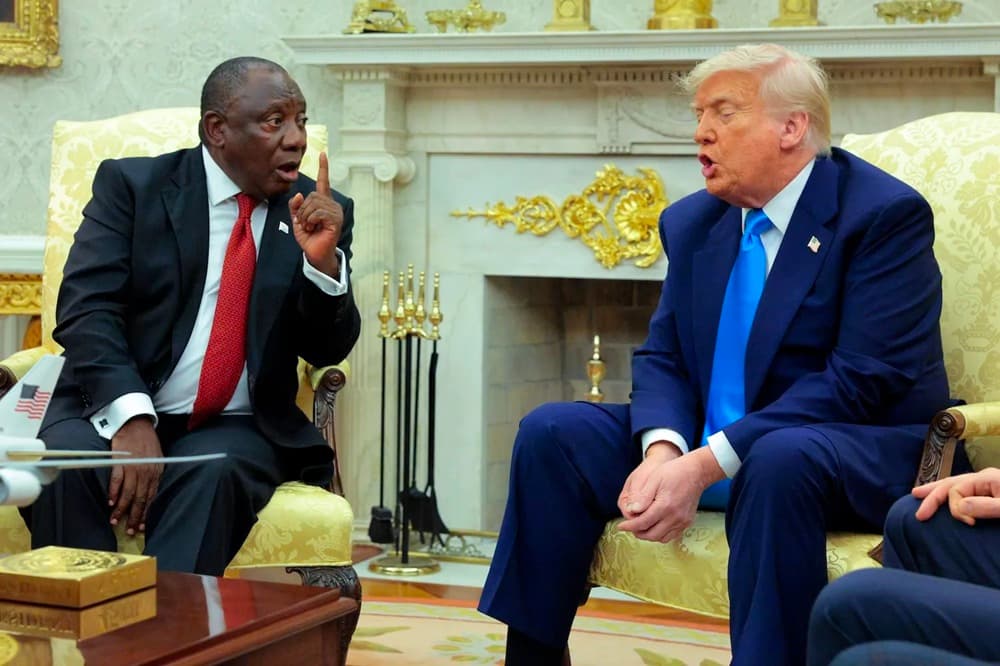
The rapid acceleration of trade with Beijing comes as Pretoria faces growing friction in its commercial relations with Washington.
While the United States Congress voted to preserve South Africa's duty-free privileges under the African Growth and Opportunity Act (AGOA) through 2028, final confirmation still requires executive approval from U.S. President Donald Trump.
Diplomatic tensions have mounted over policy disagreements, prompting Washington to implement visa restrictions against certain South African individuals.
An exclusion from AGOA would hit South Africa's industrial output heavily, putting an estimated 125,000 total jobs in the automotive sector at risk.
Preparing the nation for possible trade disruptions, South African President Cyril Ramaphosa urged citizens to stay resilient.
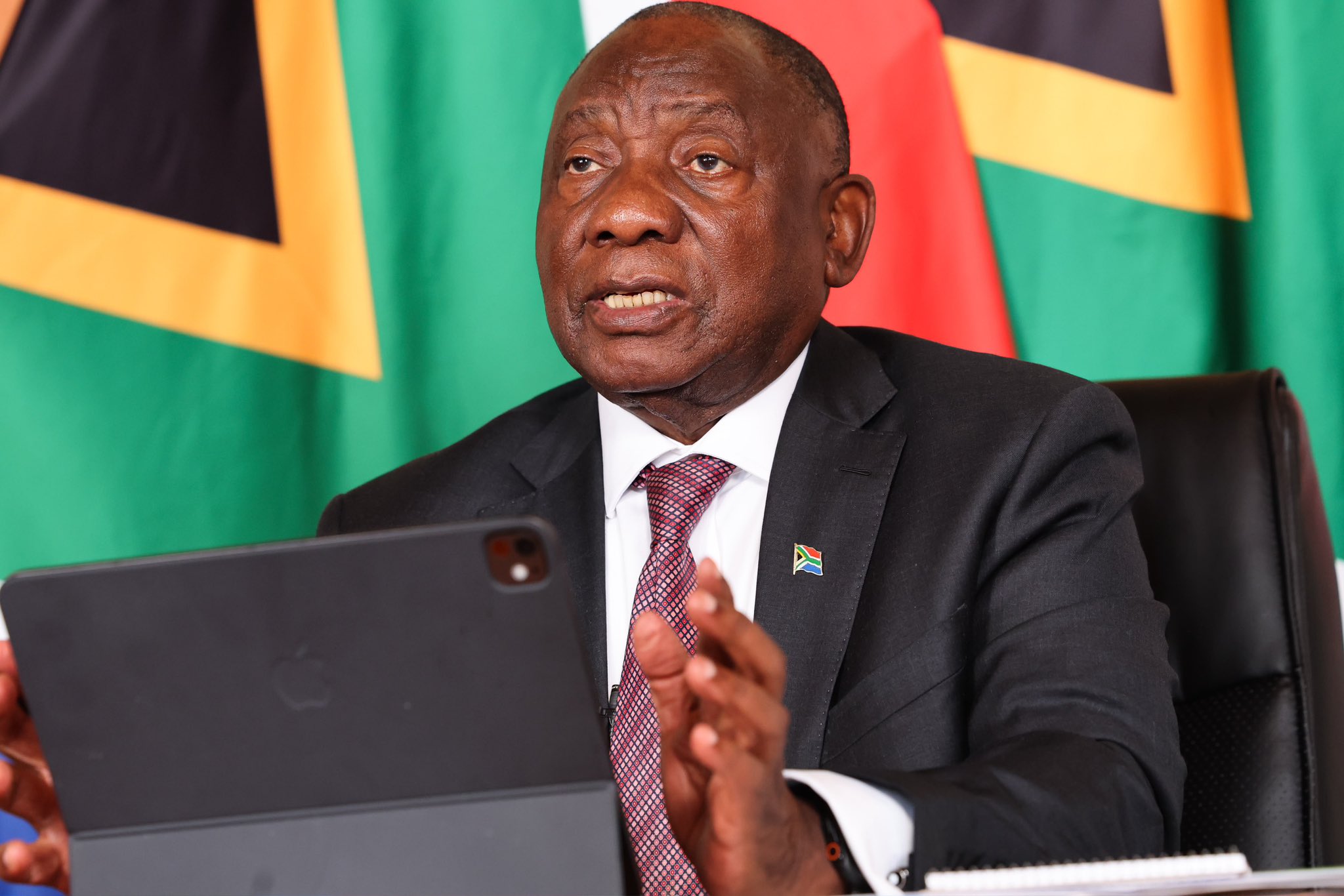
According to Business Insider Africa, during a media brief, Ramaphosa stated, "Congress has decided that we should be kept in AGOA. What now remains is the executive," adding, "if we ever have a choice, we are not the first and only country to be taken out of AGOA. And I believe we will not be the last".
While acknowledging that losing duty-free U.S. access would be "devastating," Ramaphosa cautioned against panic.
"I need, as president, to prepare us if it ever happens. So we should not go out and jump off tall buildings and think that this is the end of the world," Ramaphosa declared.