
When you're looking to get lost in a book, sometimes you need your reading material to match your mood. With Marie Claire's series "Buy the Book," we do the heavy lifting for you. We're offering curated, highly specific recommendations for whatever you're looking for—whether you're in your feels or hooked on a subgenre trending on #BookTok.
In this author-curated rendition, Jane Schoenbrun—the writer/director behind cult-loved films like I Saw the TV Glow and Teenage Sex and Death at Camp Miasma—shares the reads that inspired their debut novel.
Filmmaker Jane Schoenbrun has spent their career making stories about characters losing themselves in the glow of a screen. From the sinister online challenge in We’re All Going to the World’s Fair to the slasher-influenced sexual fantasia of Teenage Sex and Death at Camp Miasma, Schoenbrun has drawn in countless devoted fans with their intimate, Lynchian stories that explore how media affects our collective psyche. Their latest project trades the screen for the page, but it’s no less expansive.
Schoenbrun’s debut novel Public Access Afterworld is a feat of worldbuilding, split into 10 sections, or “episodes,” spanning seven decades and narrated by varied characters—an anxious housewife in 1940s New Mexico, two A.V. club kids in ‘90s suburbia, and a trans content moderator at a modern-day streamer, to name a few. Their only connection is the titular subterranean TV network, a mysterious realm where shows are extracted from “crooked” people's minds. The novel is a masterful sci-fi epic that turns the advent of television into a horrific, multi-dimensional conspiracy.
Though Schoenbrun first thought of the title in 2019, inspired by a lyric from Nirvana’s “Pennyroyal Tea” (”Give me a Leonard Cohen afterworld”), they describe the novel as “picking up where I left off with TV Glow.” While their first two films were inspired by what they call the “egg crack” moment of realizing they were transgender, PAA draws from the self-upheaval that comes after.
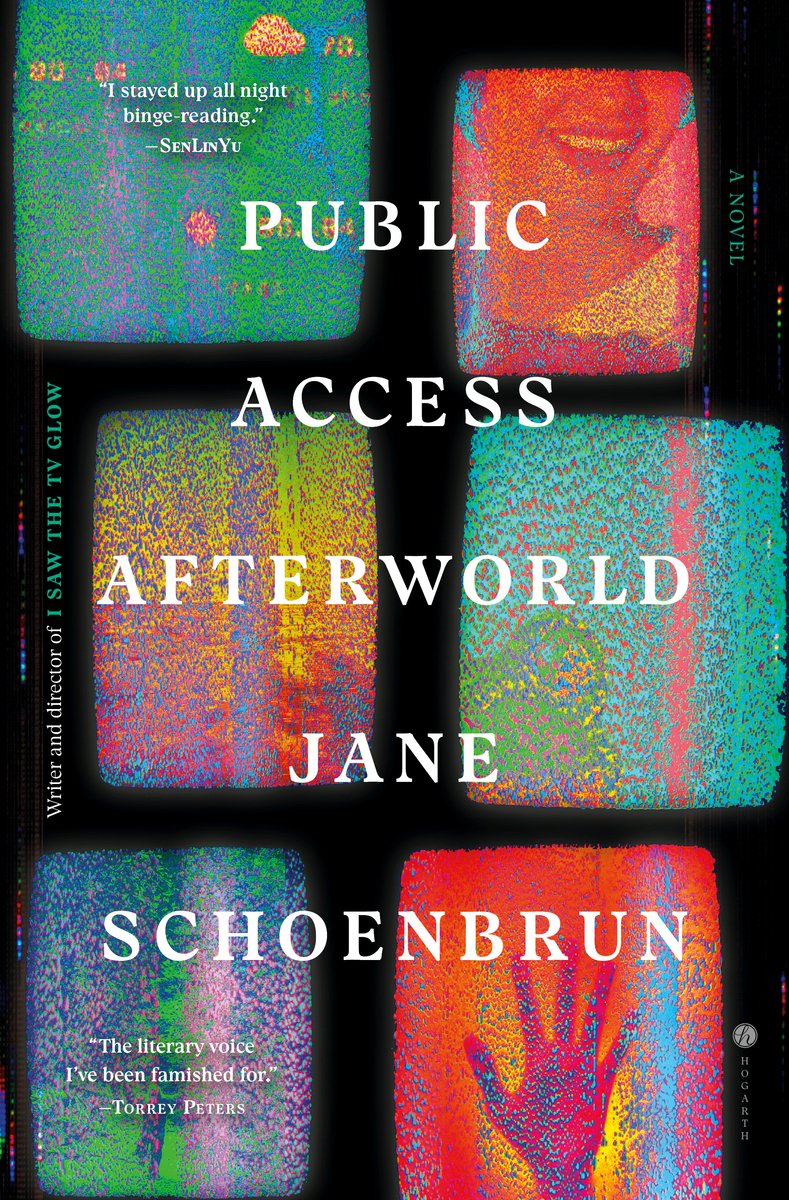
“I was very aware when I first sat down to start writing this that World's Fair and TV Glow were movies that didn't actually take you into transition,” they say. “They were movies that came from the process of early transition and of realizing that I needed to transition, but that as texts, they kind of end before the process of becoming actually begins. I think one of the reasons why [PAA] has to be such an epic is that there's just a lot to say about that.”
To write this opus—the first in an expected trilogy—Schoenbrun put their typical nonfiction reading on hold and took inspiration from “a strange mix between literary and nerd.” The writer also dove into creepypastas, or the “crowdsourced campfire stories and urban legends” that populate certain corners of the internet.
“I think [creepypastas are] part of this long tradition that I do count myself a part of, which is digging into the depths of what's glowing in front of you,” they say. “Looking for the thing that you know intrinsically must be in there, which is something that's going to be even more beautiful and a whole hell of a lot darker than what is initially broadcasting through.”
To coincide with the release of their highly anticipated new book on October 27, we asked the author to share the reads that inspired Public Access Afterworld, from acclaimed short stories to foundational LGBTQ+ novels to historical tomes.
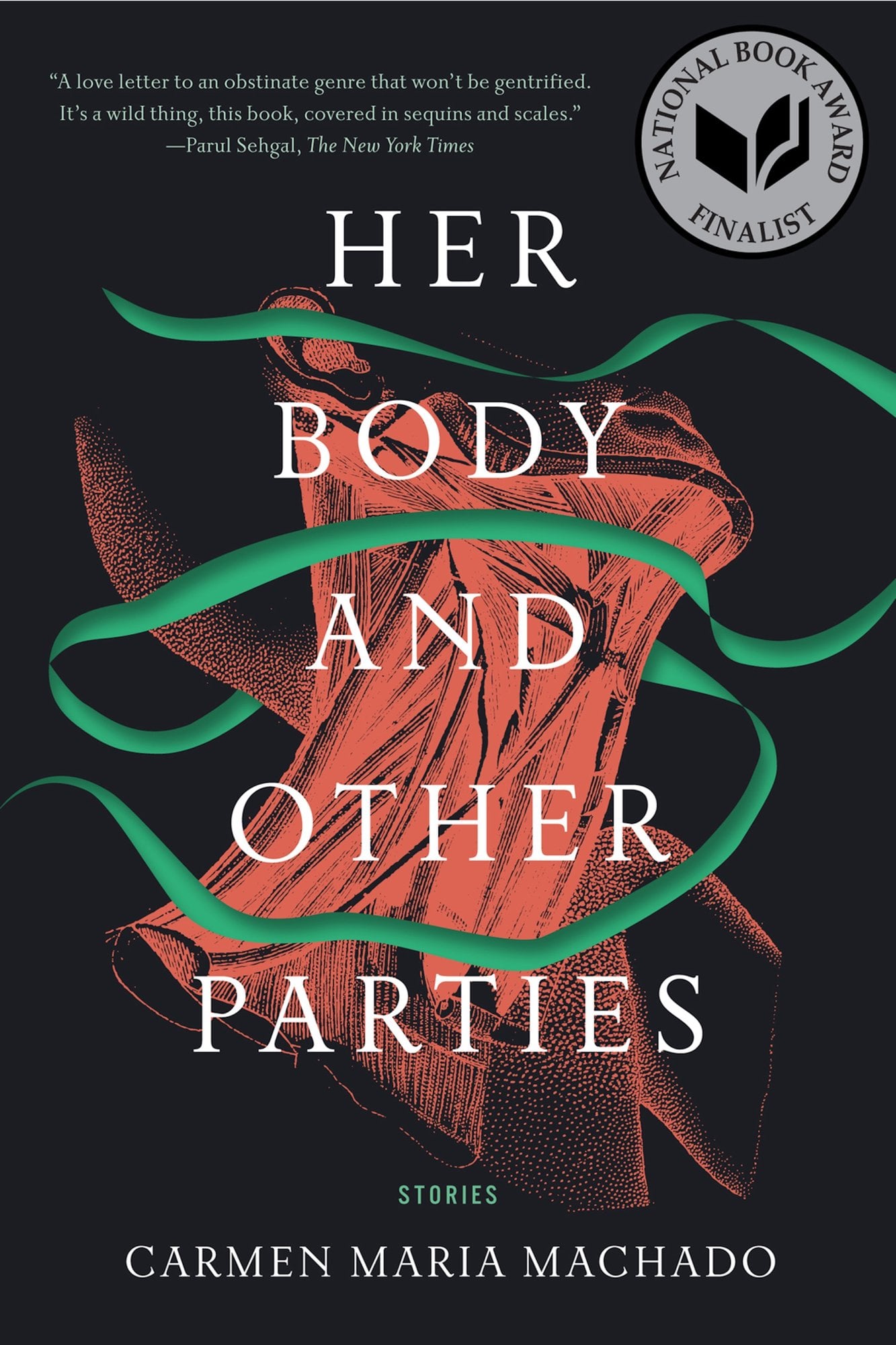
“This book blew me away with its mixture of romance and grotesquery, which is at the heart of so much of my writing.—specifically this eroticized romantic body horror that isn't unaware of how hard it is to be a female body in this world.
[It has an] incredible short story that takes the form of an entire series of television, which goes episode by episode with increasingly surreal descriptions. As a kid, I would sneak out of bed to the family desktop and just write fake episode guides for fake TV shows. So I found Carmen’s story very inspiring and freeing to ask myself, How can I take that weird work I was doing as a 10-year-old and turn it into something akin to a novel?”
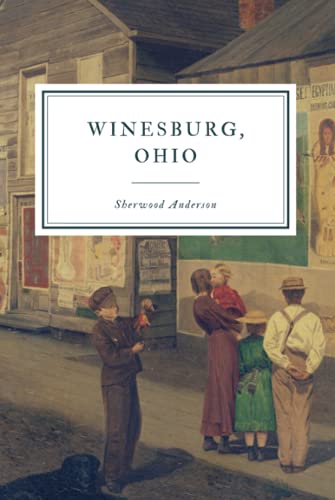
“I first read Winesburg, Ohio in college, and I've returned to it over and over again throughout the years. It's this interconnected series of short stories set in this town. They don't connect quite as much as the stories that make up Public Access Afterworld do, but I think I was as aware of the structure of my book as this intersecting group of character pieces about difficult characters, as I was about the mythology and how they would all congeal into an epic. Winesburg, Ohio also gets at this nastiness in small-town America that is very subtle, and it doesn't hit you over the head with it. It lingers in a haunted way that I really admire. When I think about how I want my work to linger, there's something similar in the DNA there.”
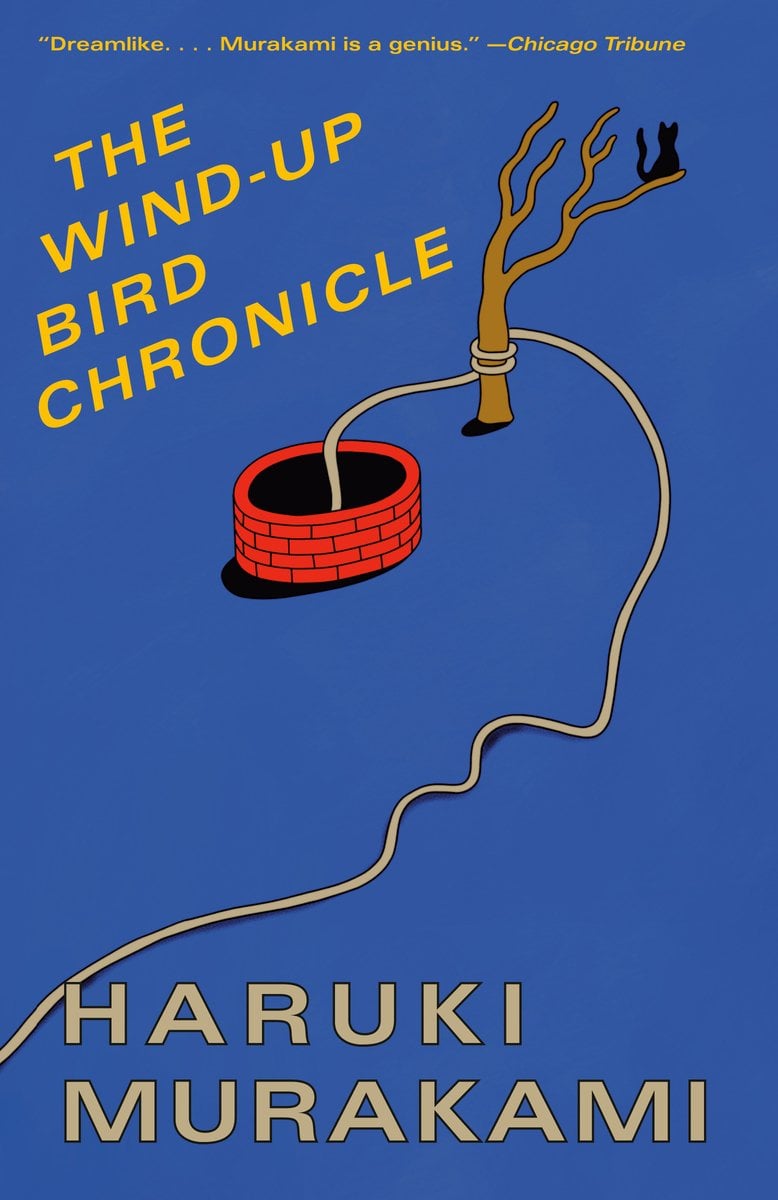
“Murakami was one of these gateway authors for me at a young age, who taught me that you could do the things that I loved so much in David Lynch films or visual mediums in prose alone. Like The Wind-Up Bird Chronicle, my book begins with what I hope will be an enthralling mystery that involves a missing person and then unwinds [into an] epic where you realize that what you thought was the plot is just the tip of an iceberg. I feel like I've learned so much in Murakami about this balance that's in all of my work between the dream and the story. I want to dig below the surface into the subconscious realms that his work so masterfully plums.”
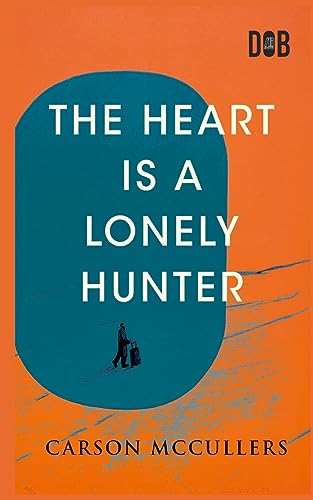
“I had a huge Carson McCullers phase in the year or two that I was starting to write this book. Really, any of her four novels could be on this list, but The Heart Is a Lonely Hunter just stunned me because of the ways in which it felt so emotionally grounded. This is the story of a town and of these multiple characters intersecting, looking for hope, salvation, or an end to the isolation of growing older in America. It doesn't feel like it's written towards a specific moment. It feels like it is penetrating to the heart of the spiritual emptiness of an America that is still segregated and still deep in Cold War anxieties, and obviously where queerness can't even speak its name aloud. This book just absolutely pulverized me.”
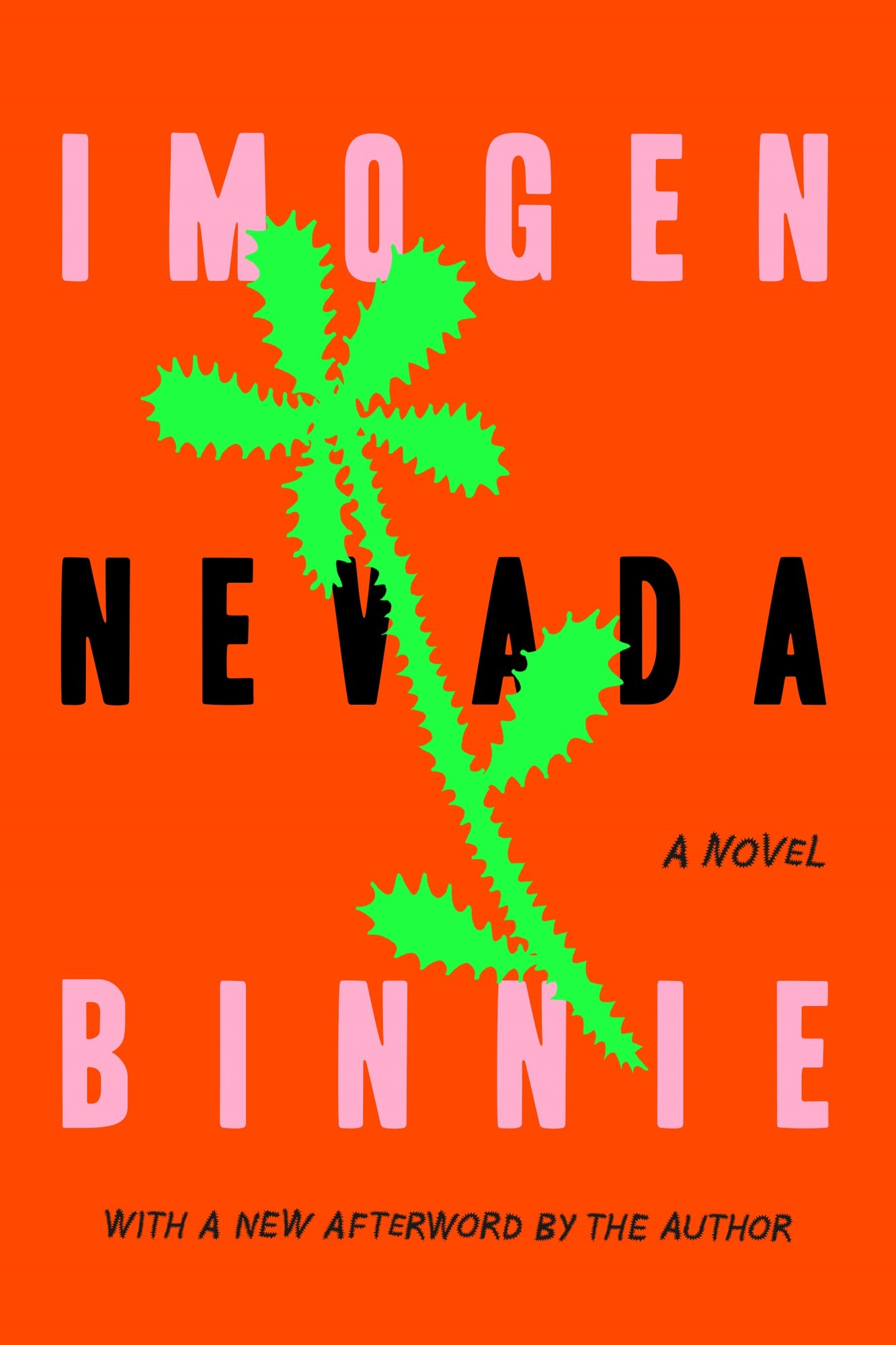
"Nevada is so deeply important as a text for many trans people. For a while, I was trying to make it into a movie and the movie fell apart, so there's a long history with me and this project. The central conceit of the second half of the book is about these two people having a conversation—one of whom is pre-transition and one of whom is maybe five years into transition, but not doing so well herself. It's almost a time travel story. Is there anything that post-transition you could say to repressed, closeted you that would've helped? There's something about that central tension in my early transition work. It's like, What am I trying to do in these works if not talk to the younger me who wasn't ready to blow up my life in the way that transition required?"
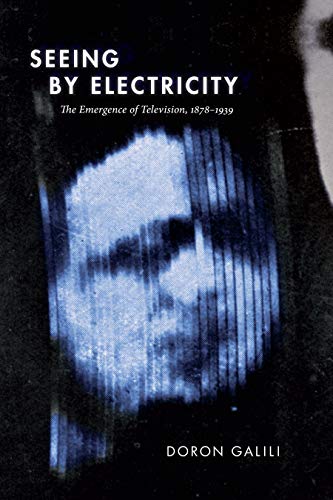
“I'm a wannabe academic in that every morning, I’ll read academic writing in the fields that I gravitate towards, which tend to be media studies, gender studies, Marxist debates, and how that all relates to technology. I remember deep in the process of writing PAA, feeling like, I know a lot about television history as it would be told on Wikipedia, but I don't know that much about the actual history of the invention of this device. Probably the most important thing that I learned in this book was this really clear distinction that the author makes between the medium of cinema, which is primarily a medium of photography capture and reproduction, and the medium of television, which at its birth was thought of more in line with the telephone, as a means of communication and a means of transmission and electricity. That cracked something in the mythology for me and has implications throughout the story that I'm telling.”
“This is a novel that was written anonymously—I believe people still don't know who wrote it—entirely in random comments on random Reddit threads. For about a year and a half, there would be replies from the same poster, and you could see all of them by clicking through to the profile. The replies were kind of in response to what the threads were about, but if you read them as a whole in chronological order, eventually they unfurled this epic novel-length creepy pasta that's much more literary in its ambition than most or any other that I've read. It becomes this ambiguously multi-narrator epic about the CIA, World War II, Lovecraftian monsters from other realms, abuse, and a personal darkness that felt very connected to the schizophrenia and horror of our present reality. The method and medium with which it was being told felt almost like these transmissions from underneath the internet. I remember reading it and being like, I want to write something like this, and that was absolutely in my mind as I started PAA.”