PETALING JAYA: The economic ambitions of the four opposition-led states could be undermined by persistent water supply problems, particularly in Kedah and Kelantan, despite plans to achieve annual growth of up to 7%, Economy Minister Akmal Nasrullah Mohd Nasir has warned.
Akmal questioned how the State Government Four (SG4) grouping could attract major investments and sustain economic expansion while basic infrastructure remained inadequate, highlighting Kedah’s zero water reserve margin and Kelantan’s longstanding supply problems.
His remarks followed the SG4 Business and Economic Forum 2026, where the grouping — comprising Kedah, Kelantan, Terengganu and Perlis — outlined its ambition to increase its combined gross domestic product (GDP) to RM723.75 billion by 2050.
“What worries me more as we plan the economy towards 2050 is the existing challenge of basic infrastructure, such as clean water supply and other essential facilities.
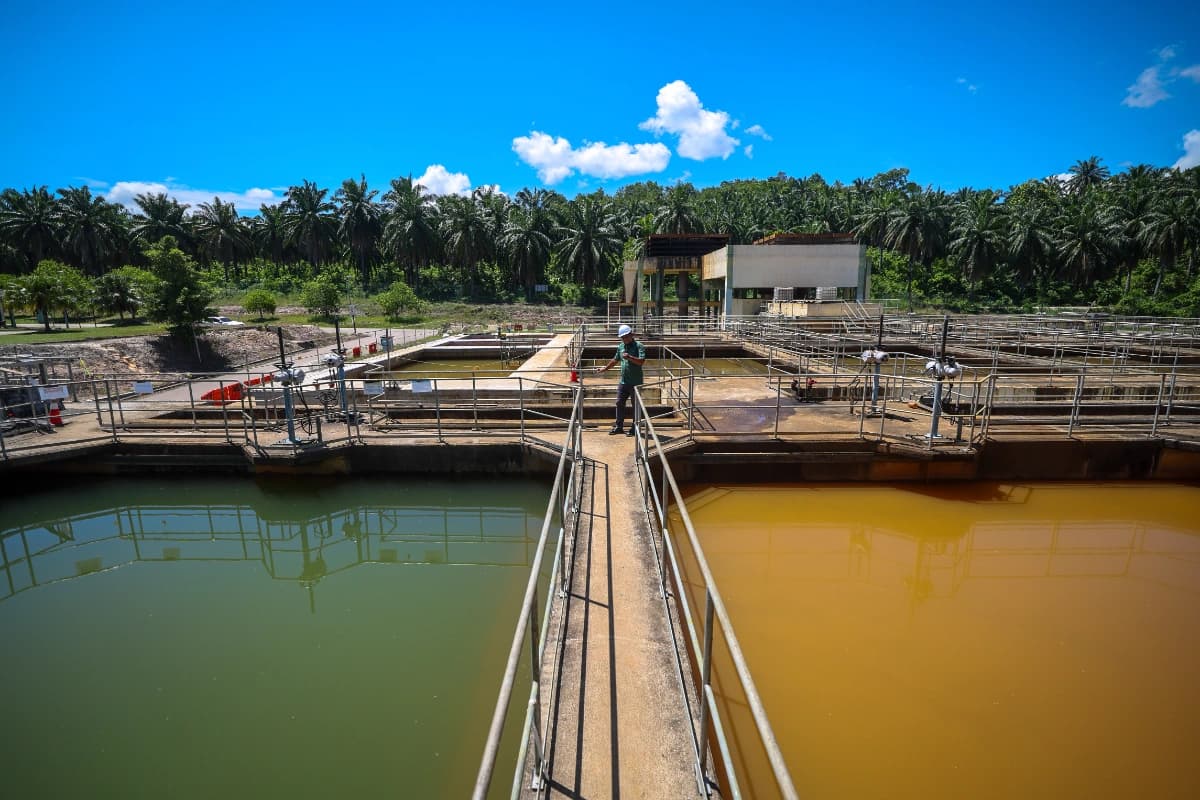
“That is why I am particularly concerned about Kedah’s water supply situation, where the reserve margin stands at zero per cent. The same applies to the water supply problems in Kelantan.
“How can we develop local economies and attract investments more aggressively without basic infrastructure such as this?” he said in a Facebook post.
The SG4 initiative aims to transform the four states into a regional economic powerhouse by capitalising on their strengths in energy, agriculture, manufacturing, logistics and tourism.
Former prime minister Tun Dr Mahathir Mohamad had described the grouping as a “sleeping giant”, highlighting its untapped economic potential and opportunities for greater development through cooperation among the states.
At the latest forum, SG4 outlined a target of expanding its combined GDP to RM723.75 billion by 2050, requiring annual growth of up to 7%.
However, Akmal said achieving the target would require more than economic projections, stressing the need for viable planning, higher productivity and effective project implementation.
He highlighted the federal government’s substantial financial commitment to the four states, including RM7.70 billion in development expenditure in 2025 — nearly 6.8 times their combined estimated state development budgets of RM1.13 billion.
Under the 13th Malaysia Plan, another 1,487 development projects worth RM71.52 billion have been approved across the four states.
The federal development ceiling for the grouping is also set to increase to RM8.11 billion in 2027, from RM7.98 billion this year.
Akmal said approved investments totalling RM37.23 billion in 2025 could potentially create 18,319 jobs, but cautioned against treating investment approvals as completed projects.
“Investment approvals do not mean projects have been completed. Potential jobs do not mean jobs have been created,” he said.
He stressed that investments must translate into actual projects, greater participation by local businesses and better-paying jobs for residents.
Akmal added that addressing basic infrastructure deficiencies must remain a priority alongside major development initiatives if the four states were serious about achieving their long-term economic targets.