
ⓘ Apple
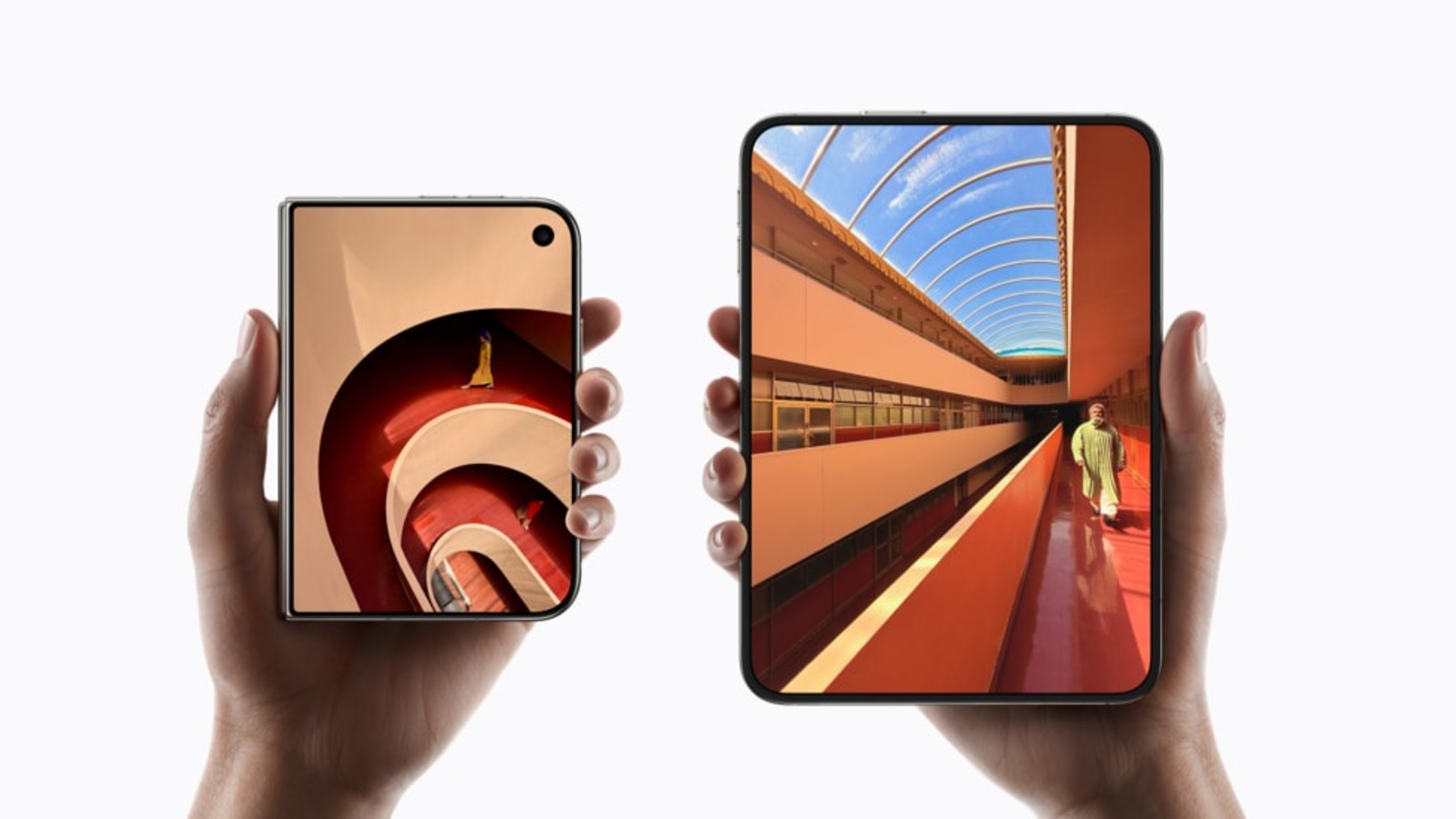
The iPhone Duo lacks FaceTime's Eye Contact setting, which adjusts your gaze during video calls to make it look as though you are looking into the camera. Even iPhones with Touch ID have it, but the foldable does not. Apple has yet to explain why, but the camera's position beneath the inner display offers a plausible reason.
Anyone making FaceTime calls on the iPhone Duo is not looking at the other person – at least that is how it appears. Apple's foldable lacks the Eye Contact setting, as MacRumors has confirmed. A forum member noticed it first, after their eyes looked "a little off" during a video call. A small detail, admittedly. But on a phone that costs this much, it stands out – especially since the large inner display practically invites video calls.
What Eye Contact actually does
The feature has been around since iOS 14. It uses machine learning to adjust the eye area so that you appear to look into the camera, even though you are actually looking at the other person's image. The option is available on the iPhone 18 Pro, and even iPhones with Touch ID offer it. So the missing TrueDepth camera can hardly be the reason – the Duo famously lacks Face ID, and the correction clearly works without it on other models.
Why the Duo of all phones?
There is no explanation from Apple yet; MacRumors has asked. The design is the obvious suspect: the under-display camera on the inner screen sits towards the right, far from where the other caller's face usually appears. Correcting such a large sideways offset is much harder than the small vertical gap on a regular iPhone – especially as the camera's position changes with the fold state and the display in use. It fits that Apple already limits the Eye Tracking accessibility feature on the Duo to when the device is fully open.
This is not a defect like the cracked displays, for which Apple now offers replacement units, but most likely a deliberate decision: better no correction than one that makes you look cross-eyed. For frequent callers, it is still one more item on the list of compromises that come with the first foldable iPhone. Whether Apple will add it in an update remains open – it would probably require a model that can cope with a changing camera position.

Editor of the original article: Jan Gruber - Tech Writer - 37 articles published on Notebookcheck since 2026
Viennese, in tech journalism for over 20 years, and never got too serious about it. I write about Apple, smart home and things you build yourself, ideally with a coffee within reach. You'll find me at Apfeltalk and Macwelt, among other places. I used to do podcasts, so there's a lot of talking going on when I write, too.
Jan Gruber, 2026-10-27 (Update: 2026-10-27)