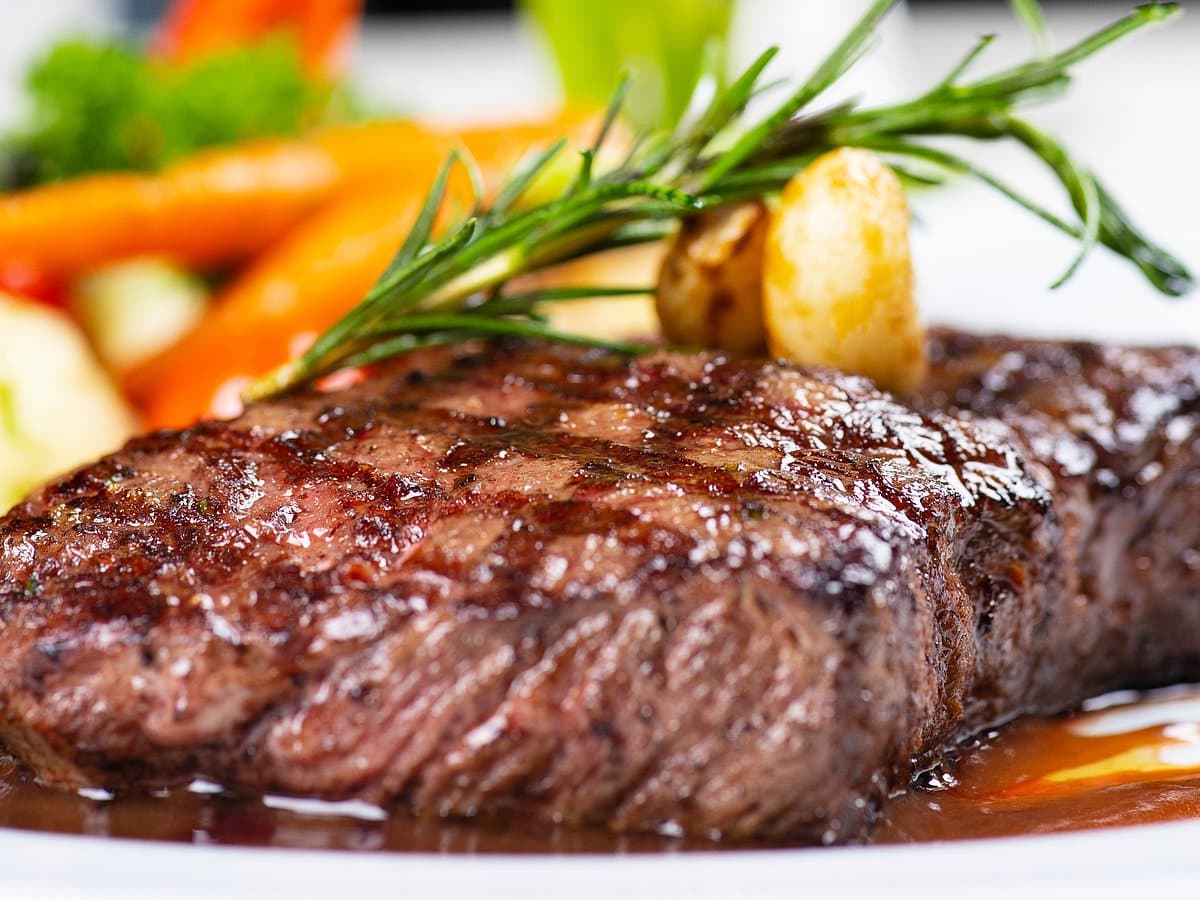
A steak can cost a fortune and still leave you wondering what you paid for.
At premium meat counters, labels jostle for attention: Wagyu, Australian, grass-fed, grain-finished, hormone-free. Each one nudges the price a little higher. When you ask people who source meat for a living, however, and those who study what it does to our bodies, and a different picture emerges. And so you find, the label that matters most is rarely the one printed largest.
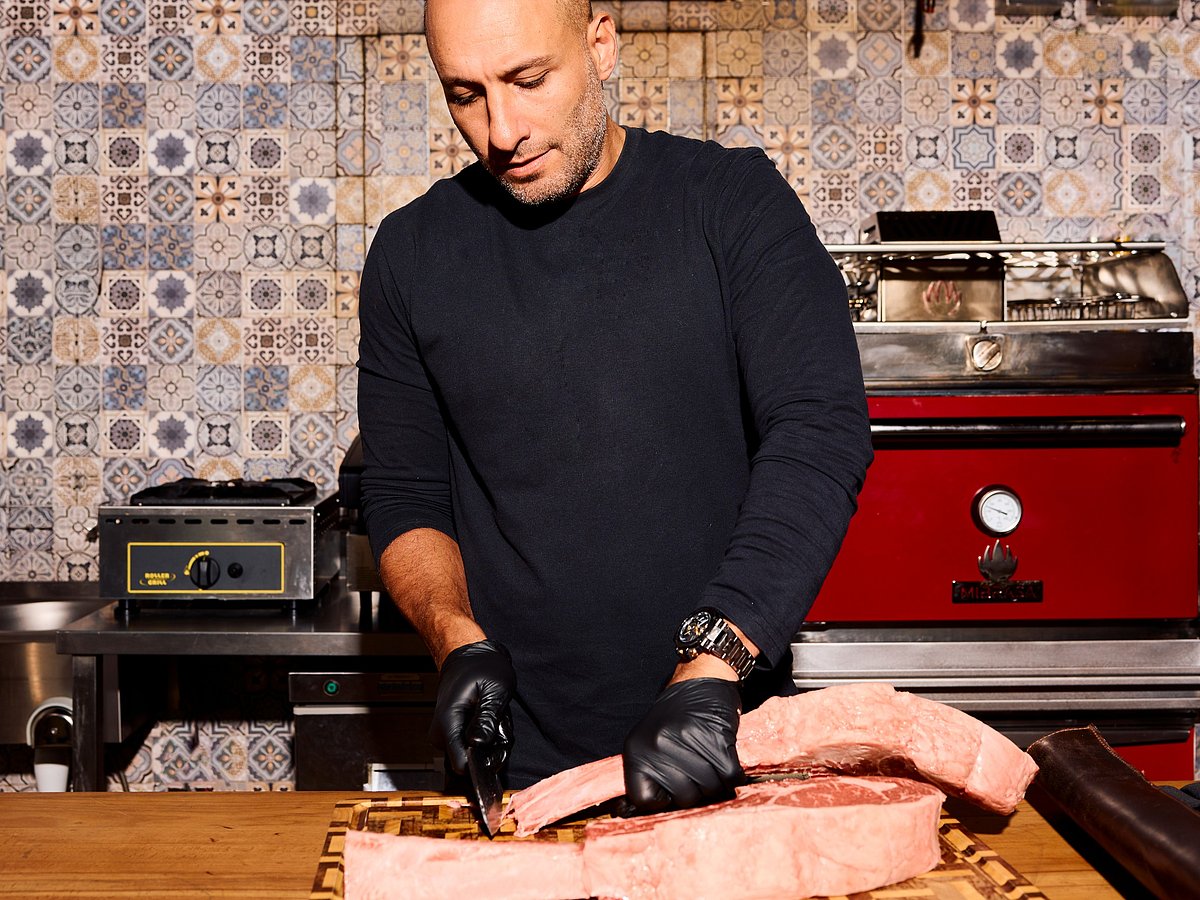
The meat, itself
So what shapes the eating experience of a steak?
For Dan Wanies, Co-Founder at CarniStore, it starts with what the customer enjoys. “It depends on what the customer is looking for.” Genetics plays a major role in the characteristics of the meat, he explains, with feeding practices also influencing the final result.
British breeds such as Angus and Hereford, including crosses between them, are commonly used for beef and are valued for their eating qualities. Feeding practices then help shape the flavour and texture. “Customers who prefer a tender bite with a pleasant buttery flavour generally prefer grain-finished animals,” Wanies says. Longer grain-finishing programmes, which can range from 120 to 300 days, may increase marbling and influence tenderness and flavour.
Grass-fed beef offers a different experience. “A grass-fed animal provides that, offering full beef flavour in every bite,” he says, describing the more pronounced taste that some customers enjoy.
The characteristics of the meat also depend on the animal's breed and how it has been raised. Dairy breeds and their crosses, for instance, are generally less commonly selected for premium steaks because their meat may have different tenderness characteristics.
Truly, there is no single formula for a steak everyone will love. Breed, feed and rearing practices all help shape the result, while personal preference determines what makes a particular cut worth choosing.
The origin myth
Country of origin is one part of the picture when it comes to meat quality, says Wanies. “People seem to think that origin matters a lot more than it does,” he says. Climate and local conditions can influence the meat, alongside factors such as breed and feeding practices.
For shoppers, origin is still worth checking, along with the information that helps establish where the meat came from and how it should be handled. Food sold in the UAE must meet national food safety and labelling requirements, says Ruba El Hourani, Head of the Preventive Health & Nutrition Department at RAK Hospital.
She advises checking production and expiry dates, storage instructions, halal certification where relevant, and the supplier or importer’s details. Where you buy your beef matters, too. Shopping at reputable supermarkets and butchers is a good starting point, says Raghda Adi, Senior Clinical Dietitian & Nutritionist at Medcare Hospital Sharjah.
Look for intact packaging and properly chilled displays, but remember that fresh-looking meat is not necessarily safe. “Appearance and smell alone cannot establish whether meat is safe, as harmful bacteria may be present without obvious signs.”
That care should continue at home. Refrigerate raw meat promptly, follow the storage instructions on the label, and keep it separate from ready-to-eat foods.
Does more expensive mean better?
A bigger price tag can buy you a richer steak, but that doesn't automatically make it a better one. Wagyu, for instance, is prized for its heavy marbling, yet its richness can be a drawback for some diners.
'Better' is a very subjective metric, says Wanies. “It is highly marbled and very rich, often producing palate fatigue after only a few bites.” Even among his own team, he says, Wagyu isn't everyone's favourite. His rule: The best meat is the one that you enjoy the most, period.”
That distinction matters at the checkout, too. A premium price doesn't necessarily buy a healthier steak. “The higher price is mainly paying for eating quality, not superior nutrition,” says El Hourani.
As fat makes up more of its weight, highly marbled meats may contain slightly less protein per 100g than leaner cuts such as sirloin, eye round or tenderloin. Wagyu can also contain more total and saturated fat than leaner cuts, notes Ali. That doesn't mean it has to be off the menu; more heavily marbled meat can still be enjoyed occasionally, with attention to portion size and the rest of the diet.
The premium is ultimately about what you value: tenderness, marbling, flavour, provenance or the experience of trying something special. Wanies, however, cautions against assuming that every luxury claim signals a better product. “We've seen olive fed, orange fed, and even chocolate fed beef. Animals were never meant to eat these things.”
Before paying extra, ask what the price actually reflects. Is it the breed, the degree of marbling, the producer's reputation or simply a premium label? The answer may help you decide whether the steak is worth the splurge.
Grass versus grain
Apart from the price tag, feeding method can influence the flavour, texture and nutritional profile of the meat. Grass-fed meat tends to have a leaner profile and a more pronounced, sometimes earthier flavour, while grain-finished beef is often more marbled, tender and buttery. The exact result still depends on the breed, how the animal was raised and how long it was fed.
There are nutritional differences, too, although they may be smaller than the marketing suggests. Grass-fed meats tend to contain more omega-3 fatty acids, conjugated linoleic acid and slightly more vitamin E, and often less total fat. Yet these differences don't necessarily translate into better long-term health.
“The differences are real, but often smaller than marketing suggests,” says El Hourani. Beef remains a relatively minor source of omega-3 compared with fish, and evidence that grass-fed beef leads to significantly better long-term health outcomes in humans remains limited.
Nor does the label tell the whole story. “Grass-fed does not automatically mean lean, nor does grain-fed necessarily mean unhealthy,” Adi points out. For a meaningful boost to the quality of dietary fat, oily fish, nuts and seeds are better bets than switching from one type of steak to another. Ultimately, the choice between grass-fed and grain-fed is largely a matter of flavour and texture preferences, with nutrition offering some additional context rather than a clear winner.
The cuts connoisseurs choose
If price is a poor guide to quality, the real finds may lie further down the counter. Knowing the underrated cuts, says Wanies, really separates the connoisseurs and enthusiasts from the non-thinking meat eaters. Secondary cuts ask a little more of your jaw and repay it in flavour and umami. “Cuts like flank, flat iron, hanger, skirt, and Denver will give you a far more rewarding experience than tenderloin.”
Most of them are at their best over a grill. Two cope admirably indoors: flat iron, a very tender cut that is far superior to tenderloin, and flank, a Swiss army knife of a cut that suits most beef recipes, as he says.
For apartment cooks without a grill, Wanies turns to slow-cooked oxtail and beef cheek. “Some good enameled cast iron cookware mixed with patience can turn family dinners into a real highlight. Your wallet will thank you as well.”
Getting it right at home
A great steak can be undone by three things, says Wanies: Underseasoning, overcooking, and poor slicing. His advice starts the day before cooking, with a dry brine.
Season the steak early, then leave it on a wire rack in the fridge for anywhere from four hours to a full day. “This draws out the moisture through osmosis and allows for a very aggressive sear on the outer surface.”
When it is time to cook, a cast-iron or stainless-steel pan is his pick over a coated one, paired with a fat that can withstand high heat. He favours beef tallow over the fashionable avocado oil, and recommends heating the fat generously. “Don’t drop the steak in until the fat starts to smoke.”
A meat thermometer takes some of the guesswork out of cooking. For medium-rare, Wanies pulls his steak at about 52°C, allowing the residual heat to finish the job as it rests. His targets for medium and medium-well are 56°C and 60°C, respectively.
These are culinary doneness targets, however, not food-safety guarantees. US Department of Agriculture guidance recommends cooking whole cuts of beef to at least 63°C, followed by a three-minute rest, while ground beef should reach 71°C. Neither colour nor a handsome crust can confirm that the centre is safe.
For those who prefer their meat well done, the answer may be to choose a different cut rather than push a premium steak too far. Wanies recommends chuck, brisket or short rib, cooked low and slow until tender. “This is much better than eating a steak akin to shoe leather.”

Where flavour meets health
For Wanies, a great steak starts with 'a searing hot direct flame', which chars the surface for maximum Maillard reaction while smoke adds depth. However, cooking meat at very high temperatures, particularly over an open flame or until heavily charred, can also produce compounds called heterocyclic amines (HCAs) and polycyclic aromatic hydrocarbons (PAHs), explains El Hourani. These compounds have raised health concerns, although the evidence linking exposure from cooked meat to cancer in humans remains inconclusive.
You don't have to retire the barbecue. Ali recommends cooking over moderate heat where possible, turning meat frequently, trimming excess fat that can drip and trigger flare-ups, and cutting away heavily burnt edges. Some marinades may also help reduce the formation of certain compounds, depending on their ingredients and how the meat is cooked. For steak lovers, the aim is a deep, savoury crust without taking it all the way to blackened.
The cut matters, too. Lean options such as tenderloin, sirloin, eye round and top round provide protein, iron, zinc and vitamin B12, while generally containing less saturated fat and fewer calories than richly marbled cuts such as ribeye or Wagyu, El Hourani notes. More heavily marbled beef can still have a place on the menu; the key is to consider portion size and how it fits into the wider diet.

How much is enough?
When it comes to red meat, cancer-prevention guidance favours limiting consumption rather than cutting it out entirely. The World Cancer Research Fund advises eating no more than about three portions a week, roughly 350–500g cooked, or 525–750g raw.
People with heart disease or hypertension do not necessarily need to avoid red meat altogether, but individual dietary advice should take their health and overall diet into account. Choosing leaner cuts and keeping an eye on saturated fat are sensible starting points.
Processed meats are worth limiting. Both El Hourani and Ali recommend eating them as little as possible, as regular consumption is associated with an increased risk of colorectal cancer.
The evidence behind this association is substantial. In 2015, the World Health Organization’s International Agency for Research on Cancer (IARC) reviewed more than 800 studies and classified processed meat as a Group 1 carcinogen, meaning there is sufficient evidence that it can cause cancer in humans. The same review estimated that eating 50g of processed meat daily was associated with an 18 per cent increase in relative risk of colorectal cancer. That amount is roughly equivalent to two slices of ham or one sausage, depending on the product. Red meat was classified as 'probably carcinogenic', reflecting a more limited level of evidence.
These categories can sound alarming, particularly because processed meat sits in the same classification group as tobacco. However, the grouping reflects the strength of the evidence that a substance can cause cancer, not the size of the risk it poses.
An 18 per cent increase in relative risk also does not mean an individual's absolute risk rises by 18 percentage points. The risk to any one person depends on several factors, including how much processed meat they eat and their overall health and lifestyle. The practical takeaway is to keep processed meat occasional rather than a daily staple, without treating the classification as a reason to panic over an individual serving.
And moreover, the broader dietary pattern matters, too. El Hourani suggests a heart-healthy, Mediterranean-style week built around fish twice, legumes two to four times, poultry at several meals and red meat at one to three, with nuts, seeds, dairy, eggs and plant proteins also in the mix. The principle is simple: “alternate protein sources throughout the week rather than relying on red meat for most meals,” Ali says.
Ultimately, enjoying meats is well is about more than finding the right cut or paying for a premium label. You need to know what you are buying, choose based on the eating experience you value, cook with care and make room for a variety of foods on your plate. As Adi puts it, “The aim is not to make eating meat restrictive or complicated.”