
Pham Duc An, Governor of the State Bank of Vietnam (SBV), said that over the years, the SBV and the Vietnam Women's Union had signed and implemented numerous cooperation programmes to promote the nationwide implementation of the Party's and state's policies on monetary and banking matters.
“These initiatives have helped women gain easier access to credit and banking services to support production and business activities, care for their families, and improve their quality of life,” he said.
In this process, the Vietnam Bank for Social Policies (VBSP) plays an important role in providing preferential credit to eligible beneficiaries of government policy programmes. With the participation of the Women's Union at all levels, activities including entrusted lending, the management of savings and credit groups, policy communication, and the inspection and supervision of loan use are carried out at the grassroots level. This approach makes credit more accessible to local communities and also helps improve the management and effective use of funds.
According to VBSP, by the end of 2025, outstanding loans entrusted through the Women's Union at all levels of the VBSP had exceeded $6.14 billion, serving nearly 2.5 million borrowers. This demonstrates the scale and importance of the cooperative network in channelling policy credit to local communities, supporting production and improving incomes. In addition, Women's Union organisations at all levels have actively encouraged members to strengthen their financial literacy and legal awareness and choose formal borrowing channels. The effective operation of savings and credit groups, guidance on the proper use of loans, and monitoring of repayment have helped mitigate risks, improve credit quality, and prevent recourse to illegal lending.
| Photo: VBSP |
A concrete example can be found in Van Han commune, Thai Nguyen province, where ethnic minority communities account for nearly half of the population. Local authorities, the VBSP, and the Women's Union work together to inform residents about and guide them in accessing preferential credit programmes through the Savings and Credit Group network.
"With policy credit, my family has shifted away from underperforming rice fields to cultivating tea," said Tran Thi Mai, a resident of Van Han commune, Thai Nguyen province. "In the past, my family struggled because we lacked a reliable livelihood and our income was unstable. After receiving a loan to improve the land and develop tea cultivation, our household income has nearly tripled."
Mai's experience illustrates the practical value of policy credit for women in rural and mountainous areas. Such funding enables people to invest in production while creating opportunities to increase incomes, stabilise livelihoods, and achieve greater economic independence.
According to Doan Le Thuy, director of the VBSP's Dong Hy Transaction Office in Thai Nguyen province, the bank is implementing more than 10 policy credit programmes with preferential interest rates, including loans to poor households at an annual rate of 6.24 per cent.
"Beyond enabling families to develop their livelihoods, these funds also help strengthen women's roles and standing in their communities," Thuy said. "When women have better opportunities to improve their household economies, they can enhance their living standards, gain confidence, and take a more active role in community activities and local initiatives."
More broadly, policy credit also enables women to expand production and business operations, develop startups, and create jobs for female workers. Under the Women's Entrepreneurship Support Scheme for 2026-2035, the target is for 80 per cent of Women's Union members to receive greater awareness of economic development and entrepreneurship through the Vietnam Women's Union by 2030.
According to a survey by the Vietnam Chamber of Commerce and Industry, women-owned businesses currently account for approximately 25 per cent of all enterprises. This highlights women's potential contribution to the economy while underscoring the need to expand access to finance and support the development of their production and business capabilities.
For policy credit to deliver lasting benefits, lending must go hand in hand with policy communication, improved financial literacy, and guidance on the proper use of funds. Through cooperation among the VBSP, the Vietnam Women's Union, and local authorities, policy credit continues to provide a foundation for women to develop sustainable livelihoods and increase their incomes, contributing to poverty reduction and social welfare.
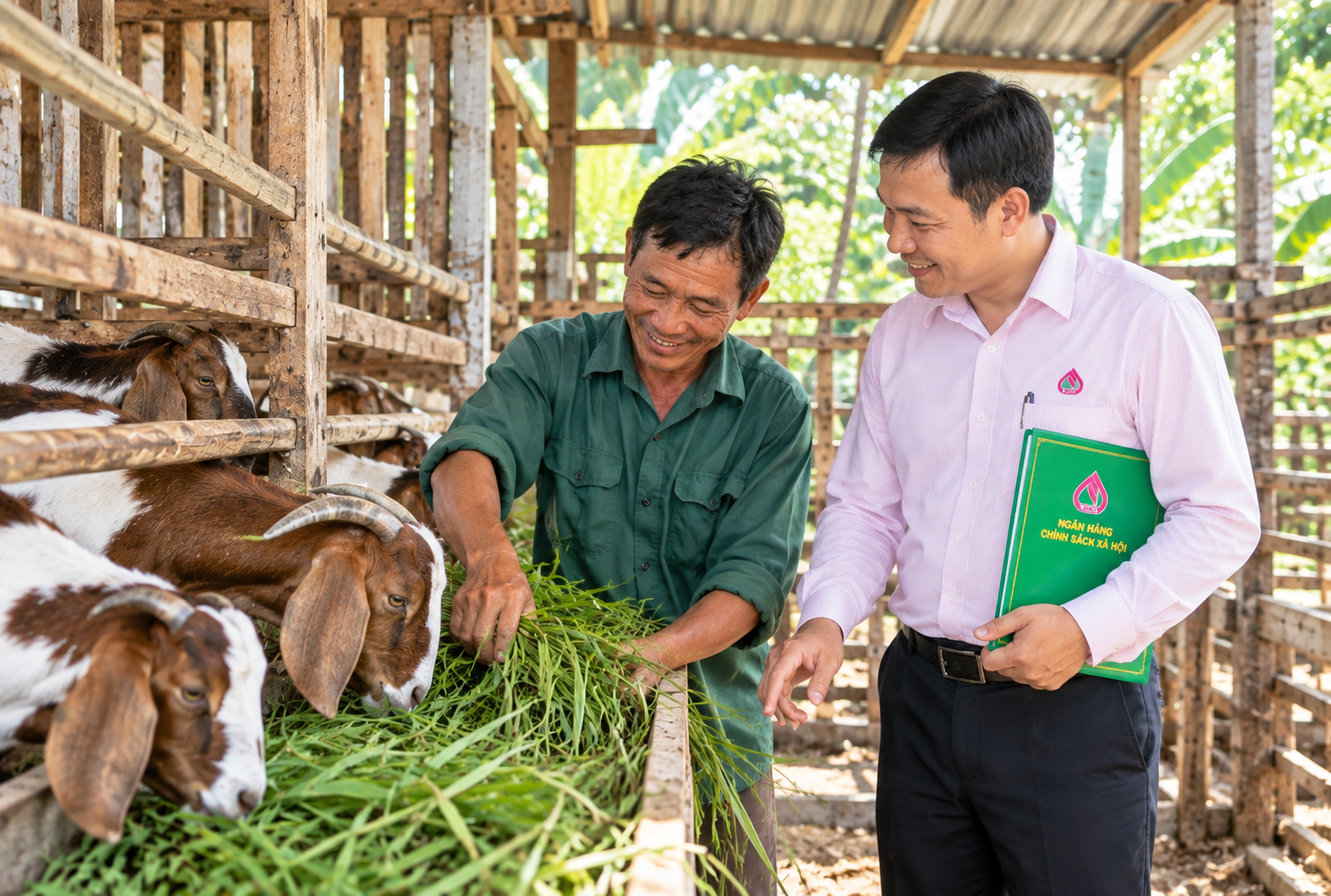 | Policy credit builds sustainable livelihoods from the grassroots Policy credit is reaching deeper into local communities, turning modest loans into productive livelihoods, jobs and income while creating a grassroots mechanism for sustainable economic development. |
 | From loans to women’s economic empowerment Policy credit is expanding women’s access to finance, from starting businesses and developing production to creating jobs, thereby enabling women to become more economically independent and take greater control of their livelihoods and incomes. |
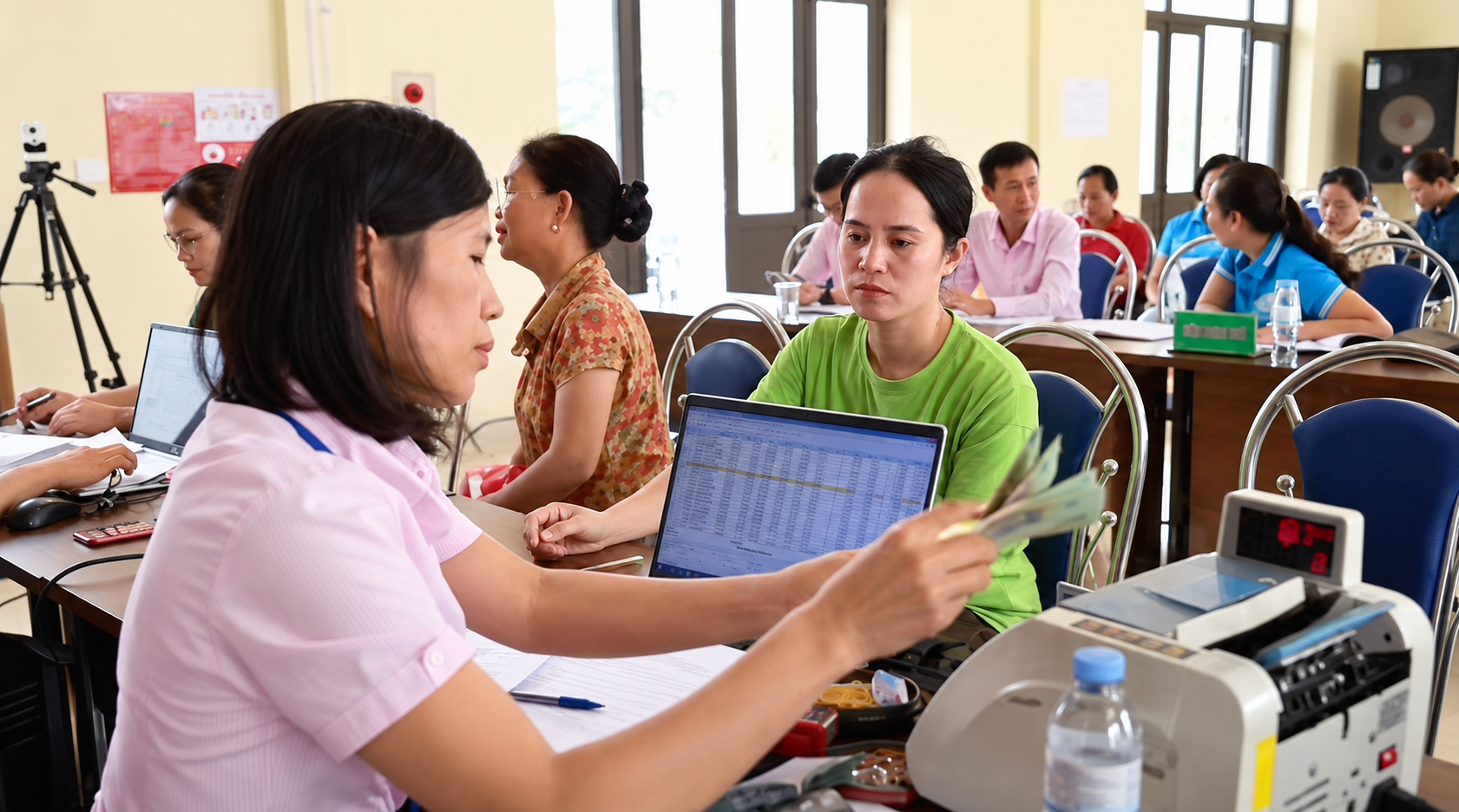 | Policy loans open new paths for people rebuilding their lives Policy lending is giving former prisoners opportunities to create jobs, rebuild livelihoods and reintegrate into society, under new rules. |