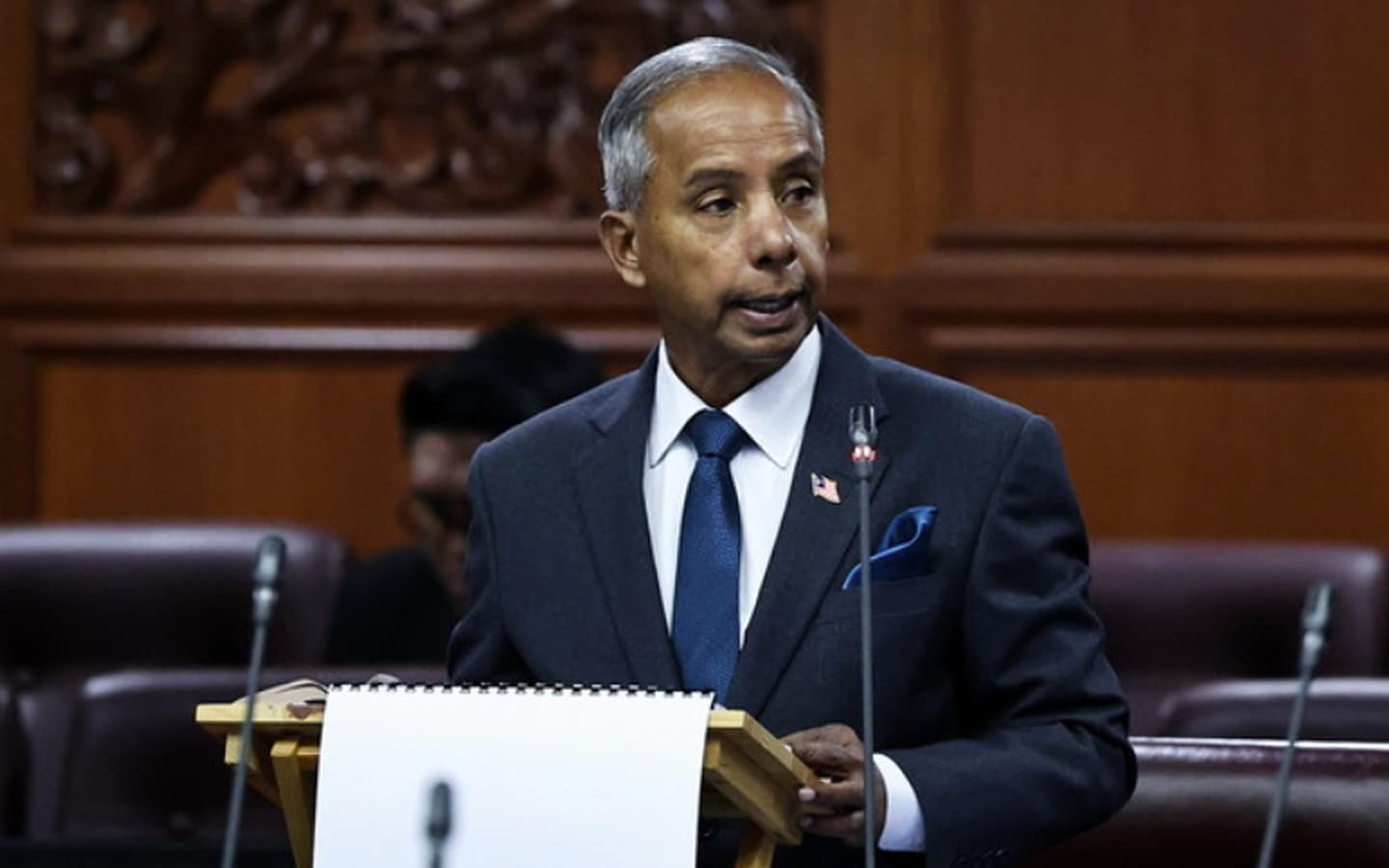
KUALA LUMPUR: Deputy law and institutional reform minister M Kulasegaran has called for a faster and simpler process to enforce maintenance payments, saying the issue affects everyone and not only Muslims.
He supported the proposal to amend syariah court laws to strengthen action against those who deliberately fail to pay maintenance to their wives and children.
“I think it's a good proposal,” he said when asked whether similar amendments should be introduced for non-Muslims.
Kulasegaran, a former practising lawyer, said he had encountered cases involving husbands and wives who could afford to pay maintenance but avoided doing so.
“A lot of husbands can afford but avoid making payments, so there must be a process,” he said.
He hoped the proposed changes to syariah law could eventually benefit non-Muslims as well.
“We hope that once the syariah (amendments) comes into place, this can also multiply and benefit the non-Muslims,” he said.
Kulasegaran also called for a more efficient mechanism to ensure maintenance payments were made, particularly when those ordered to pay had the financial means to do so.
“I think there must be an easier, faster way to enforce this, especially when husbands can afford it,” he said.
Yesterday, deputy religious affairs minister Marhamah Rosli told the Dewan Rakyat that the government was planning legal changes to make it easier for syariah courts to act against those who deliberately ignore orders to provide maintenance, known as nafkah, to their wives and children.
Marhamah said the syariah judiciary department (JKSM) was also proposing checks to determine whether prospective spouses had previously failed to pay maintenance.
She said Muslim men seeking permission to marry more than one wife must apply to the syariah court, which would assess their ability to support their existing wives and children.
Marhamah said the courts already had the power to order salary deductions, seize and sell property, or jail those who disobey maintenance orders. However, these measures required a court order and could not be imposed automatically.
She added that JKSM’s family support division aimed to resolve at least 75% of unpaid maintenance cases each year and was working with agencies including the Employees Provident Fund, Social Security Organisation, Inland Revenue Board and national registration department to trace those who failed to pay.
The department was also exploring ways to improve financial assistance for families awaiting maintenance payments, including aid that recipients would not need to repay.