Do you know when to call the vet for a horse? There are times when the cause for concern is abundantly clear, such as non-weight bearing lameness or case of strangles – we know we need to pick up the phone and dial the vet in these situations.
However, there are circumstances where the situation might not be as clear cut, so we demystify common equine emergencies with when to call the vet below.
When to call the vet for a horse
We have expanded on the reasons to call the vet for a horse below, but in brief, the following signs signal it's time to seek immediate help. Contact your vet urgently in case of:
- sudden, severe lameness or a reluctance to move
- collapse and recumbency
- breathing difficulties
- allergic reaction – laboured breathing, facial or eyelid swelling, rapidly spreading hives
- raised temperature – especially more than one horse affected on yard
- profuse bleeding
- eye injuries, when the eye is inflamed, painful or the horse struggles to open it fully
- wounds, especially over a joint, leaking sticky yellow fluid, or any deep wound especially if bone is exposed
- colic
- a choke episode that is not resolving
- a foaling mare who is not making progress
- any potential poisoning, such as atypical myopathy or eating acorns
Navigating evening and weekend callouts
Being registered to a local equine practice means the ability to call a professional promptly should a veterinary emergency arise, day or night.
The Royal College of Veterinary Surgeons requires veterinary practices to provide round-the-clock equine emergency care – 24 hours a day, seven days a week. Traditionally, this would be provided by a practice’s own veterinary team working an out-of-hours rota in order to assess and attend cases that come in.
Increasingly, practices are working with dedicated out-of-hours teams who are in contact with the usual daytime vets. This ensures rested professionals can attend, rather than relying on one vet to work all hours.
It is also be extremely beneficial to have a relationship with your own local vet to ask advice, rather than only have an out of hours number to call if there is a problem. If you have your own regular vet that you know and who knows your horses, it is easier to discuss concerns directly within reasonable hours.
Conditions that warrant an urgent call
We’ve expanded some of the scenarios to give more information about when to call the vet for your horse.
Sudden, severe lameness and/or reluctance to move
A horse who is suddenly and severely lame or reluctant to move should be allowed to remain where they are unless they or their handler are unsafe.
Check the horse’s feet for elevated heat and the presence of a digital pulse, might be a sign of laminitis ,or abscess when one foot is disproportionately affected, or signs of a puncture wound, such as a nail in the foot.
Reluctance to move alongside tightness in the muscles around the spine/hindquarters, severe sweating and dark urine are signs of tying up (azoturia).
Collapse and recumbency
A horse collapsing should always trigger a call to the vet. Horses collapse for many reasons, from fits or narcolepsy to heat exhaustion or heart disease, or musculoskeletal disease or injury. Where breathing is laboured or reduced, check the ABC (airway, breathing, circulation).
Horses are often back on their feet by the time the vet arrives, but a horse who is unable to rise and is not cast (stuck against an object such as a stable wall) likely has something significantly wrong. The longer a horse is recumbent, it is unlikely to rise. If there is uncontrollable struggling/pain, then it is an emergency requiring urgent attention.
Bleeding
Watching a horse bleed from the nose or a wound is distressing, but may not be as catastrophic as it seems.
That said, profuse and persistent bleeding is cause to call the vet.
Wounds
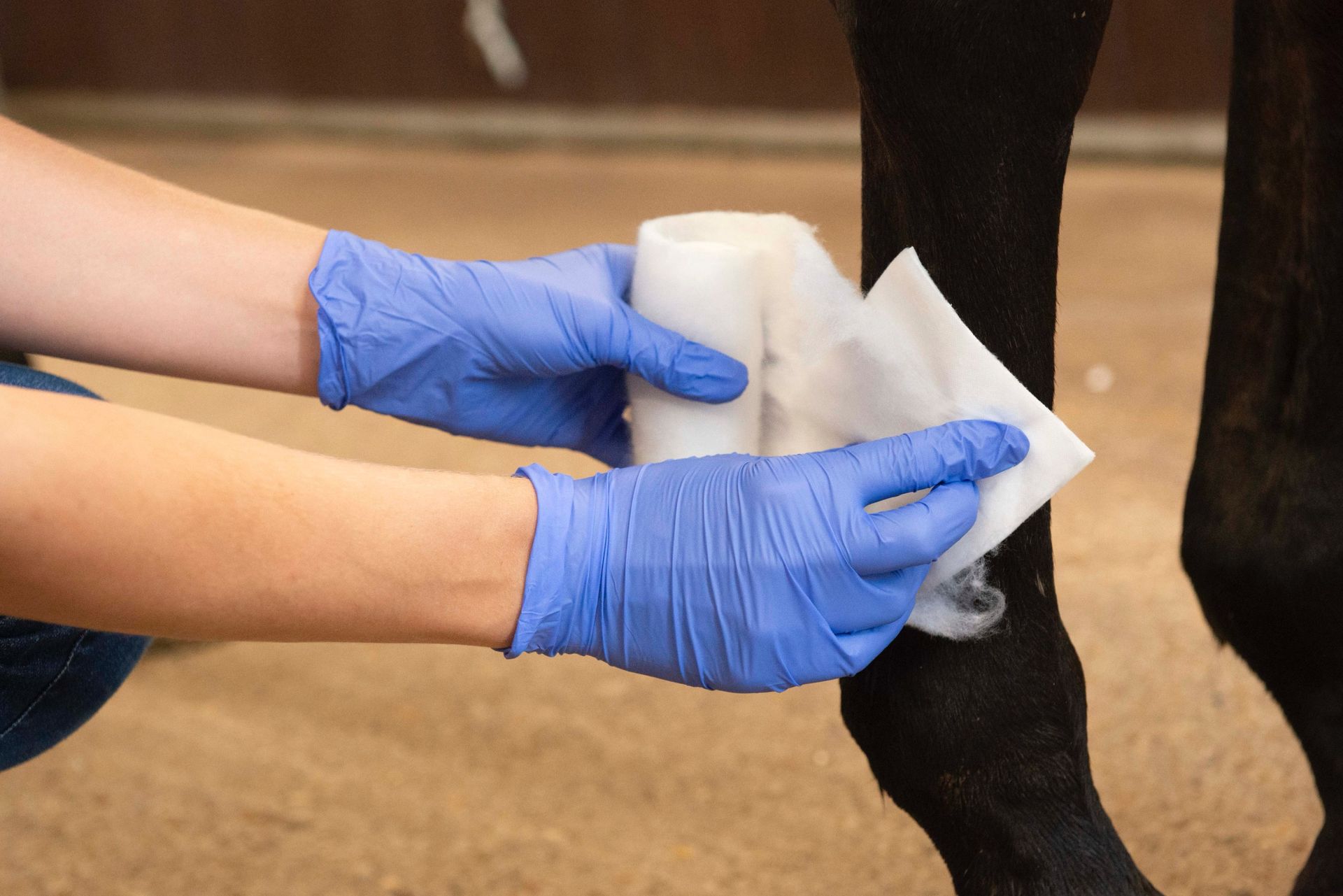
Wounds leaking a clear yellow sticky fluid, or that are located over a joint or other soft tissue such as a windgall, warrant prompt veterinary attention. This yellow fluid originates from inside the joint, and if the joint or tendon sheath becomes infected, the horse will need emergency treatment. If there is bone or tendon tissue showing, call the vet immediately.
If you suspect that a bone might be involved, either because it is exposed, or because the conformation of the leg looks abnormal, urgent veterinary attention is essential. Large gaping wounds with a lot of blood look dramatic, but smaller puncture wounds can be more problematic.
When sending a photo, always state the location of the wound – don’t just send a close-up. Your vet is likely to need to examine it before prescribing treatment. If the horse’s tetanus vaccination is known to have lapsed, get in touch with your vet.
Colic
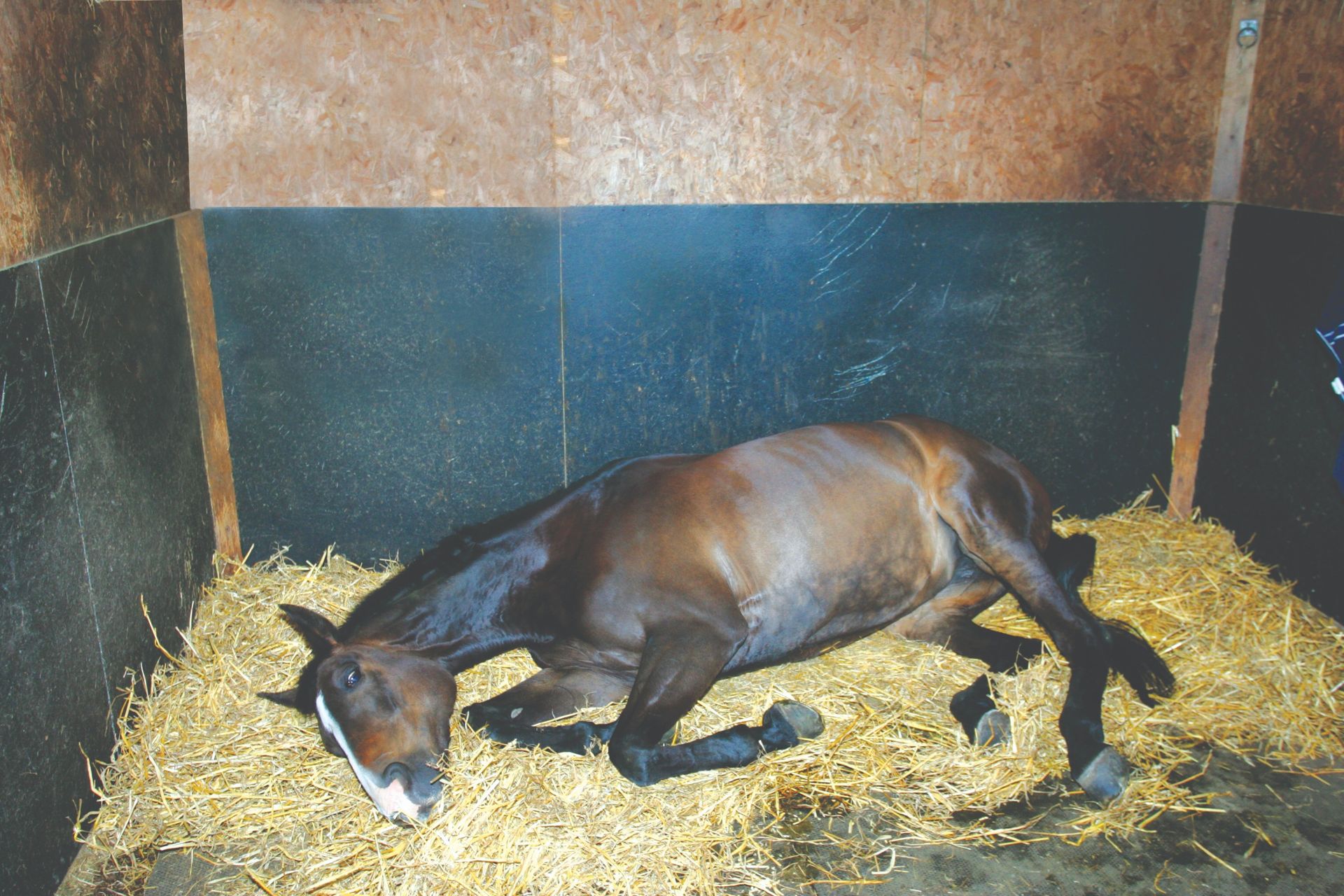
No matter how minor a bout of colic, it is always wise to talk to your vet about it if it persists, day or night, because horses with colic can deteriorate quickly. Your vet may ask for your horse’s vital signs – heart rate, temperature and breathing rate – and offer advice over the phone before deciding whether to visit.
Contact your vet if you suspect colic. The signs include:
- sweating
- pawing at the belly/flank watching
- elevated temperature, heart and/or breathing rate
- not eating
- changes to or reduction in droppings
- lethargy
Choke
Signs of choke include sweating, pain, coughing, retching and excess salivation with food coming down the nose. The condition can be serious, but often looks worse than it is. If it persists, it can result in pneumonia if food is inhaled into the lungs.
If your horse experiences a choke episode, it is vital to remove all food and water and keep him comfortable. Most chokes clear themselves quickly, but standard guidance says that vet should be called promptly if the episode does not clear within 20 minutes.
Pregnant mares
Mares have strong abdominal contractions when they are foaling. Once they are lying down and starting to strain the foal should emerge quickly. Nowadays, foalings are generally not dealt with by amateurs and it is best practice for untrained breeders to send pregnant mares to professional yards.
The majority of foalings progress smoothly, but any delay to foaling usually means there is something wrong with the delivery – the foal may be in breach position, or too large to come out in the normal way.
Standard advice states than the vet should be called if the mare strains for more than 20 minutes, however there is no clear ruling on when the 20 minutes starts. In any case, a foaling mare should be watched consistently by an experienced breeder from early signs of labour.
Poisoning
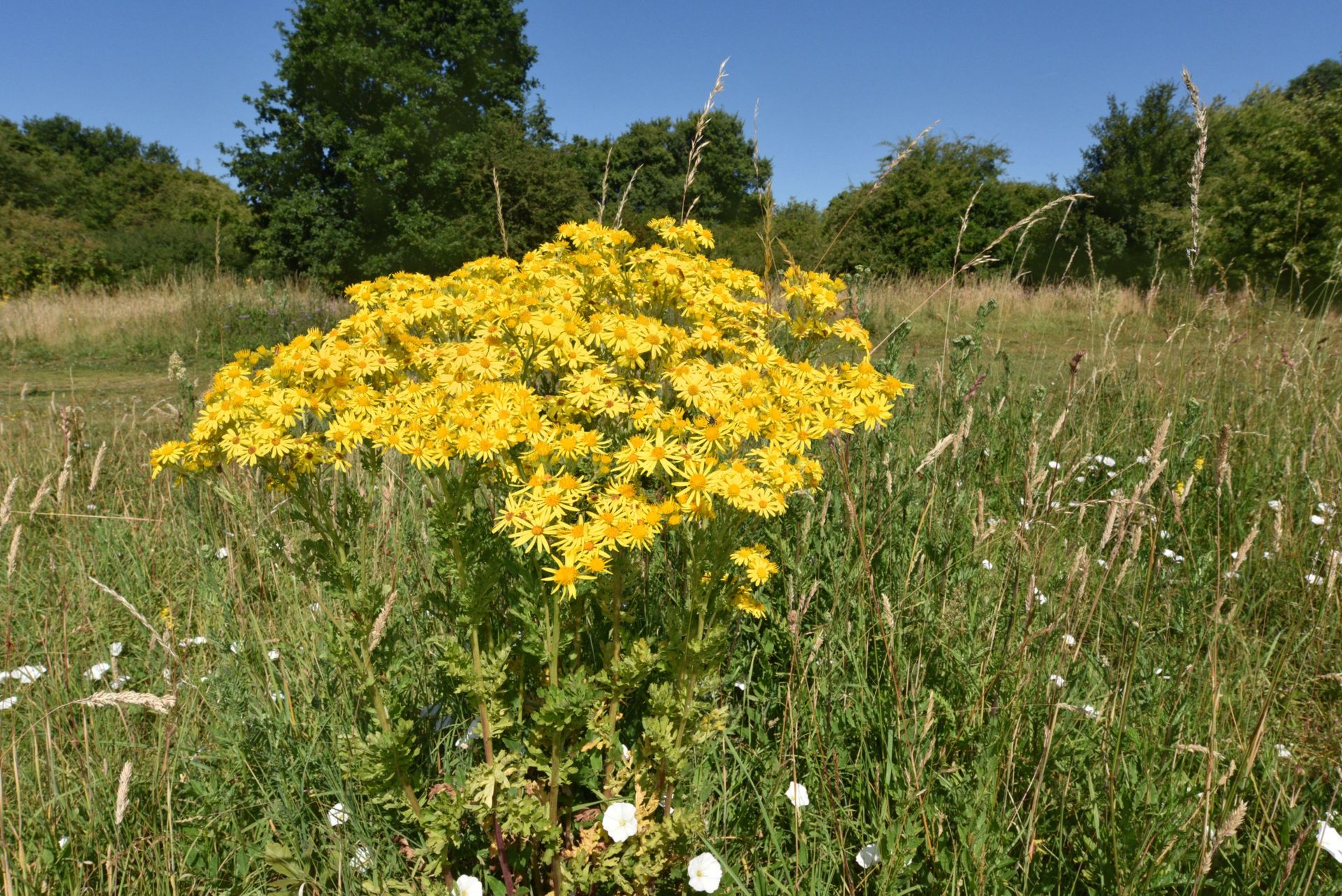
The most commonly understood form of poisoning in the UK is the ingestion of ragwort over a period of time, but there are other plants that can cause illness and even death when consumed.
Other common poisonous plants for horses and the conditions they are associated with include:
- acorns – contain tannins that can produce gut-damaging toxins
- sycamore seeds and seedlings – ‘helicopter-like' seeds that can cause atypical myopathy, which has a fatality rate of 70%
- yew – all parts of the plant are toxic to horses. The plant’s fast-acting toxic alkaloids cause cardiac arrest.
How to be emergency ready
The best route to emergency preparedness is to be registered to a local vet and to have their details saved accessibly in your phone. Ensure your yard manager is familiar with your vet and their details, and anyone in charge of you horse knows who to contact and how.
Having all the equine first-aid kit essentials readily accessible means you can administer first-aid effectively ahead of a vet’s arrival if necessary. Many vets have a digital thermometer (like this one) at the top of their list for owners’ first-aid kits, ideally a fast-acting device that takes a ten-second reading.
A spare stable for horses who might not have a dedicated box is also desirable.

Preventative management
Managing your horse in a way that mitigates the chances of illness or injury is the best way to avoid a veterinary emergency.
Ensure dietary and routine changes are made gradually to minimise digestive upset, which in turn can cause colic. Also, perform regular faecal worm egg counts to control parasitic worm problems.
Horses’ paddocks should be fenced appropriately with electric fencing, post and rail or a combination of both. Horses may be injured on barbed wire or end up with a limb stuck in stock fencing. Their field should also be checked regularly for poisonous plants, with offending plants removed.
An up-to-date tetanus vaccination protects your horse from the disease in case of injury – an unvaccinated horse may be at risk of tetanus even if a minor wound is sustained.
Maintaining a healthy body condition score will help reduce your horse’s risk of laminitis. Graze obese horses and ponies carefully and take steps to reduce sugar intake, such as soaking hay.
Many vets recommend regularly taking and recording your horse’s temperature to become familiar with your horse’s usual range and easily detect a raised temperature. More than one horse with a raised temperature on the same yard should prompt a call to your vet.
What isn’t an emergency?
- watery eyes
- a small amount of white or watery nasal discharge
- small spots of blood in the nose after exercise
- enlarged grass glands (check your horse’s temperature to rule out infection)
- filled legs after a period in the stable
For unlimited access to advice on how best to care for your horse, subscribe to the Horse & Hound website