
Price: £159, $212, €189
Weight: 572g / 20.2oz (size M tested)
Sizes: S, (51-55) M (54-58), L (57-61cm)
Colours: Signal Yellow, Champagne Gold, Volcano Titan, Gleam Silver, Jungle Green
Battery life: 2 hours on constant, 40 hours on flashing
Charging connection: USB-C
Ponytail-friendly: Yes
Abus may be better known for its D-locks and chains, but the German brand also has a nice line in helmets.
Founded in 1924 by August Bremicker, Abus has gradually built a helmet range that runs from race lids to kids' helmets, with a particularly strong urban line.
The Hyp-E is the brand's flagship e-bike helmet line, and it scooped a Eurobike Award in 2024. Where Abus' more basic Pedelec 2.0 helmet relies on a pull-out rain cap to fend off the elements, the Hyp-E goes one better with in-built sliding vent covers. It also goes all-in on visibility too, with integrated front and rear lights that act as indicators, triggered by a wireless remote on your handlebar.
Like its Pedelec stablemate, the Hyp-E carries Dutch NTA 8776 certification, which means it's been tested at the higher impact speeds you can reach with a motor under you, and it covers more of the head than a standard bike helmet.
The Hyp-E comes in three versions that all essentially use the same base helmet but come with increasingly flashy add-ons. The standard model reviewed here includes integrated lights, an indicator remote and a vent cover for when the weather turns. The ACE adds a magnetic flip-up visor and clip-on ear pads, and the BL.ACE adds a brake light remote on top of that. Those extras can also be bought separately, so the standard Hyp-E is effectively the base you can build up from.
I tested the standard Hyp-E on both electrically-assisted rides around town, as well as on my 40-minute, pedal-powered commute. Being early autumn, I enjoyed some warmer rides but was also faced with some biblical downpours, so the helmet got properly put to the test.
Design and aesthetics
By design, the e-bike helmet is a bigger piece of kit than the everyday commuter helmet. The NTA 8776 certificate dictates that the shell needs to cover a larger proportion of the head. Add to that some integrated lights and vent covers and the size and weight is only going one way.
While the Hyp-E isn’t the bulkiest design on the market, it’s not exactly petite either. It’s not as streamlined as the Pedelec 2.0, but it’s not as big as some of the other smart helmet options, such as the Unit 1 Aura.
Abus calls the construction a multishell design, as part of the outer surface uses a tougher hard shell while the rest is a thinner in-mould polycarbonate layer. A polycarbonate strip also wraps the lower edge to protect against scuffs, which is welcomed by the tester as it will inevitably end up being knocked about a bit.
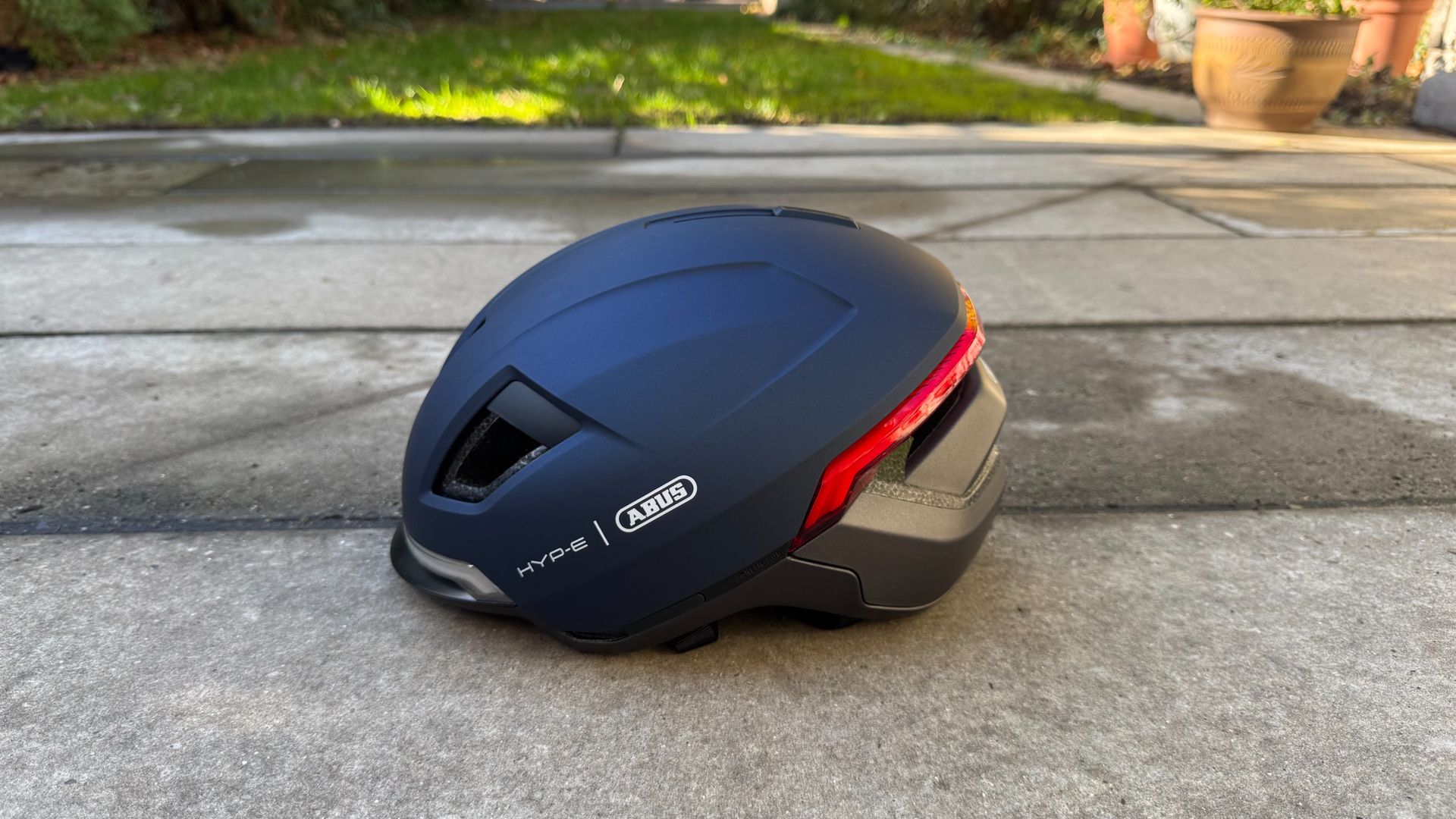
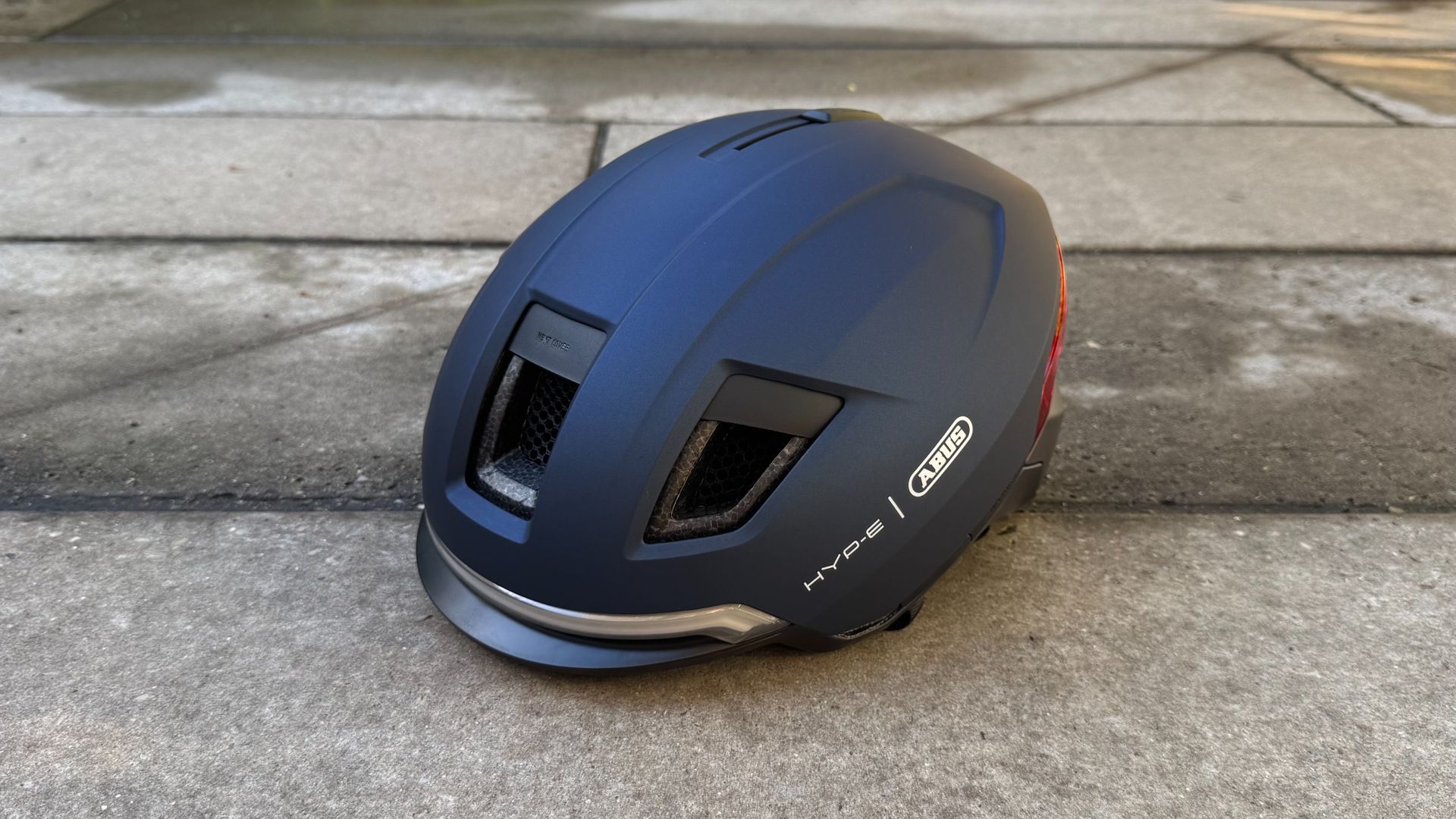
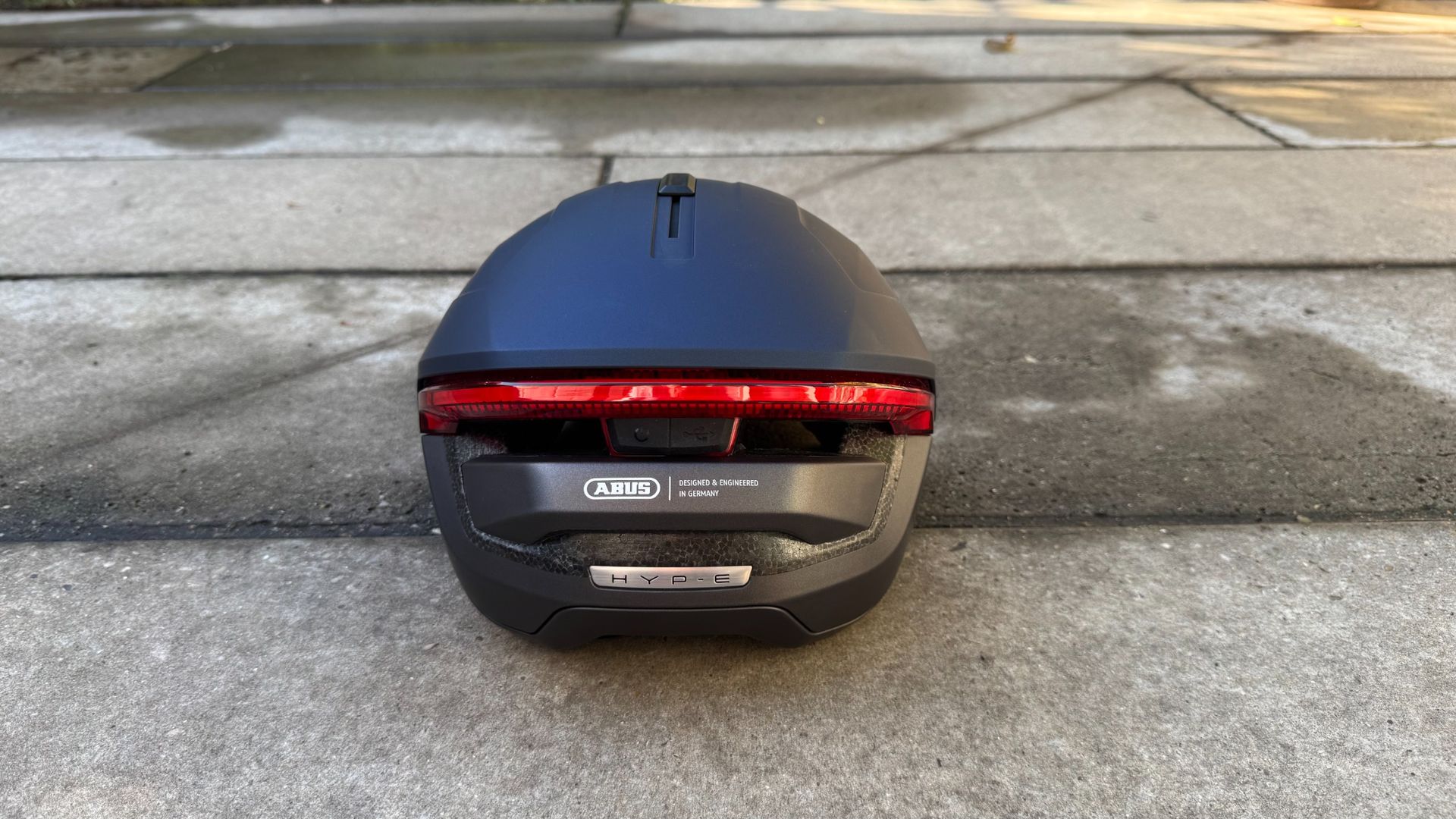
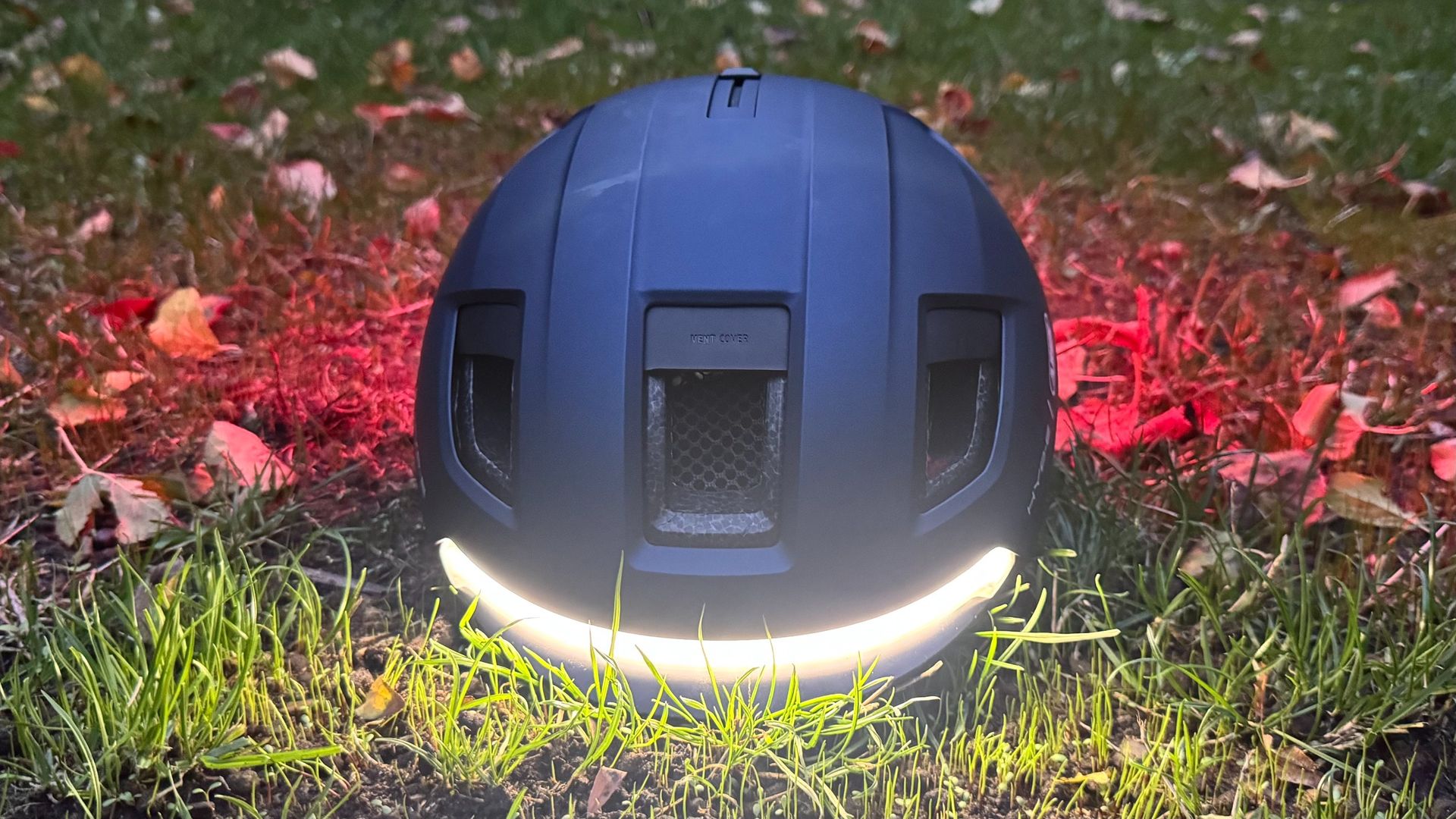
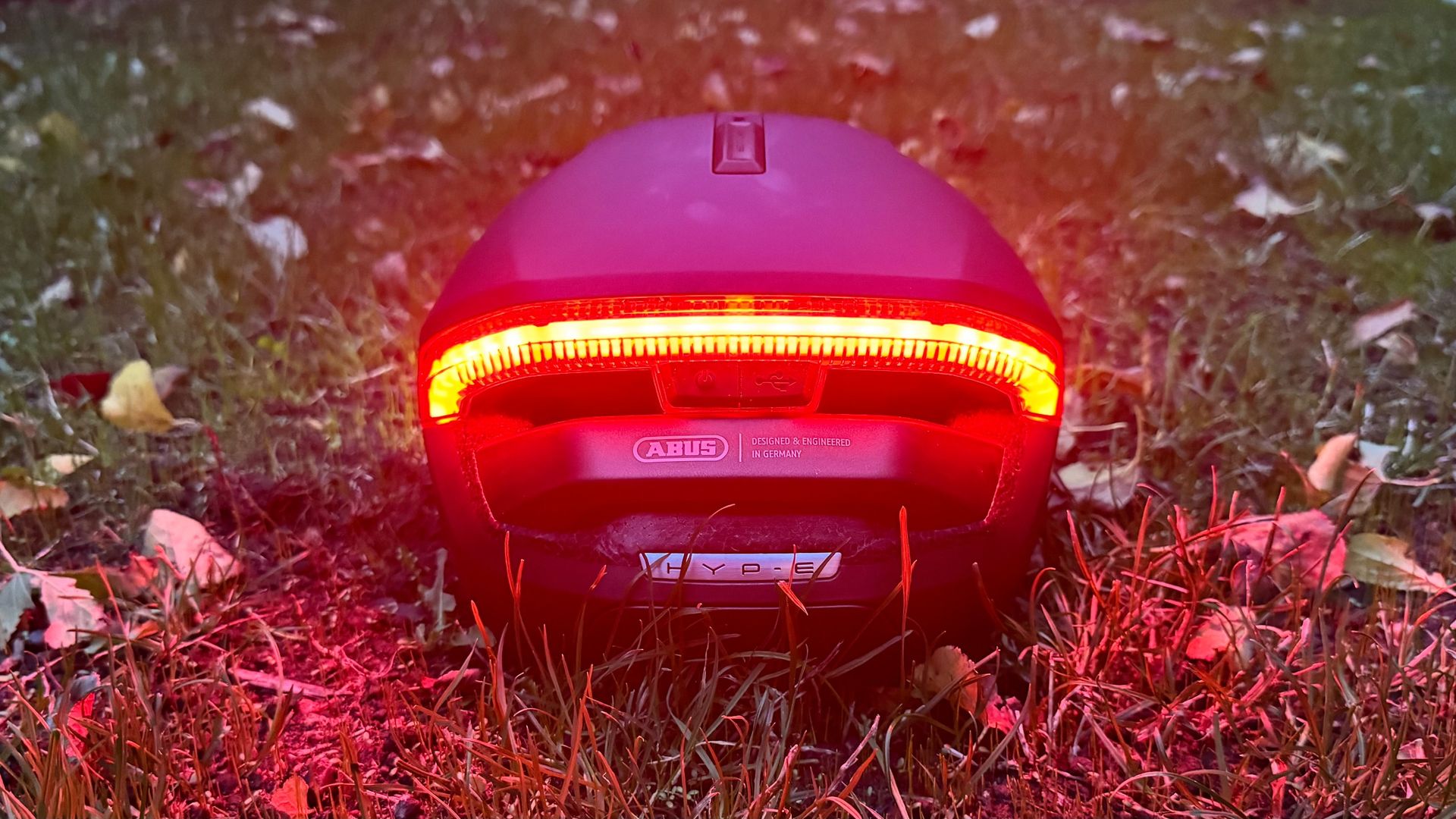
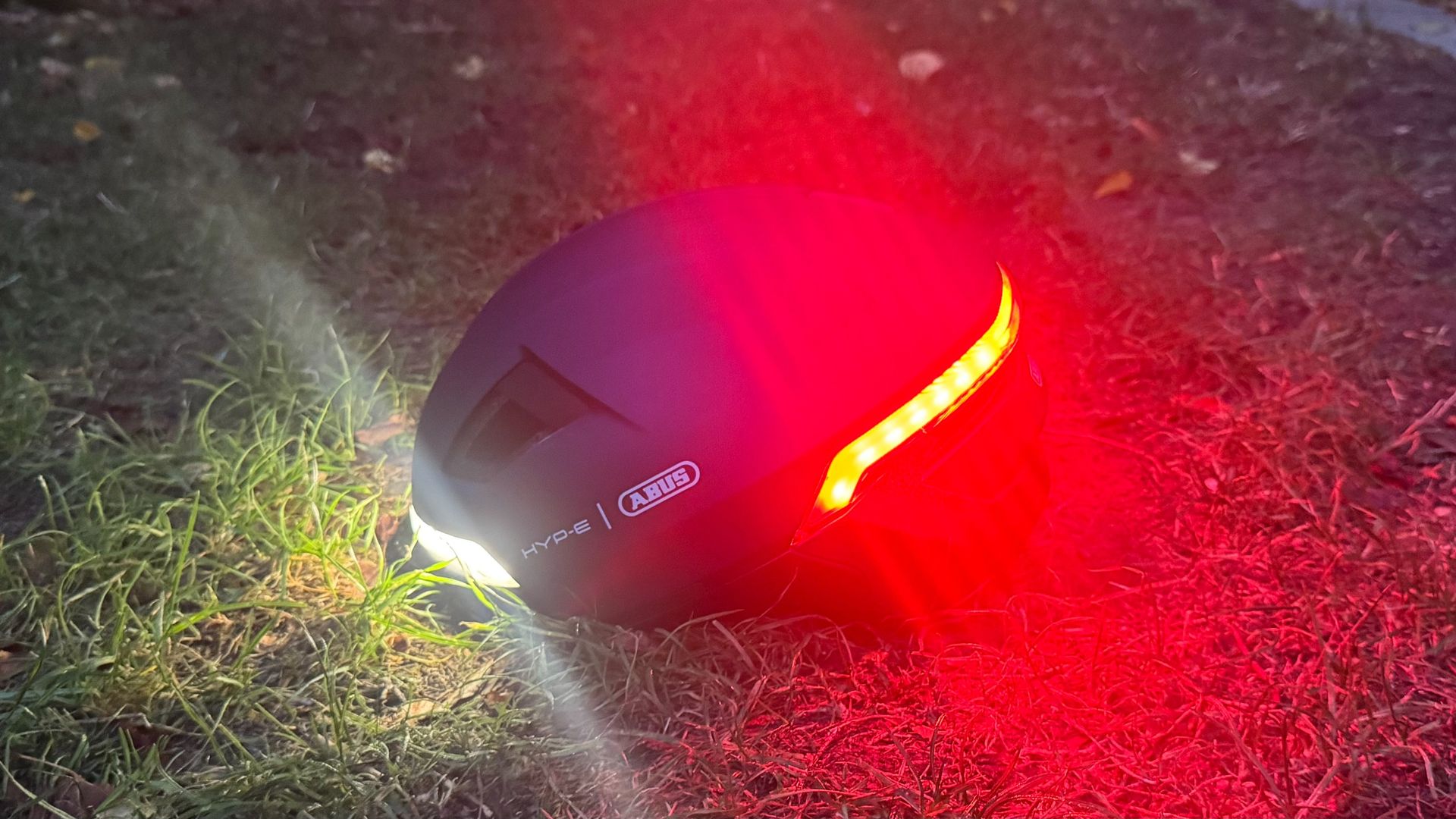
The lights are undeniably the stars of the show. Rather than clipping on as an afterthought, the front and rear LED strips are moulded into the shell, sitting flush with the contours. With the lights switched off, the helmet looks clean and tidy. With them on, you're highly visible.
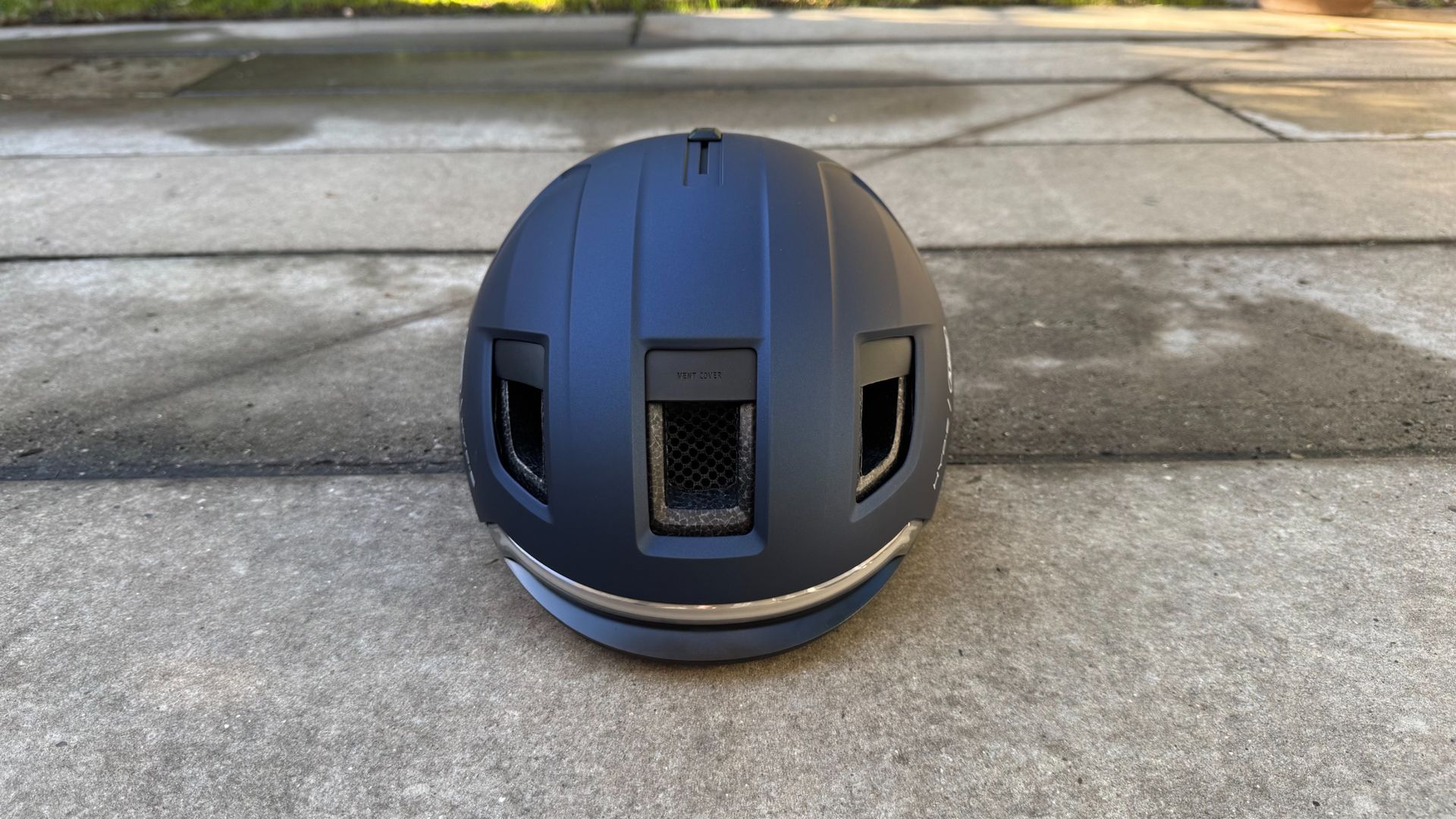
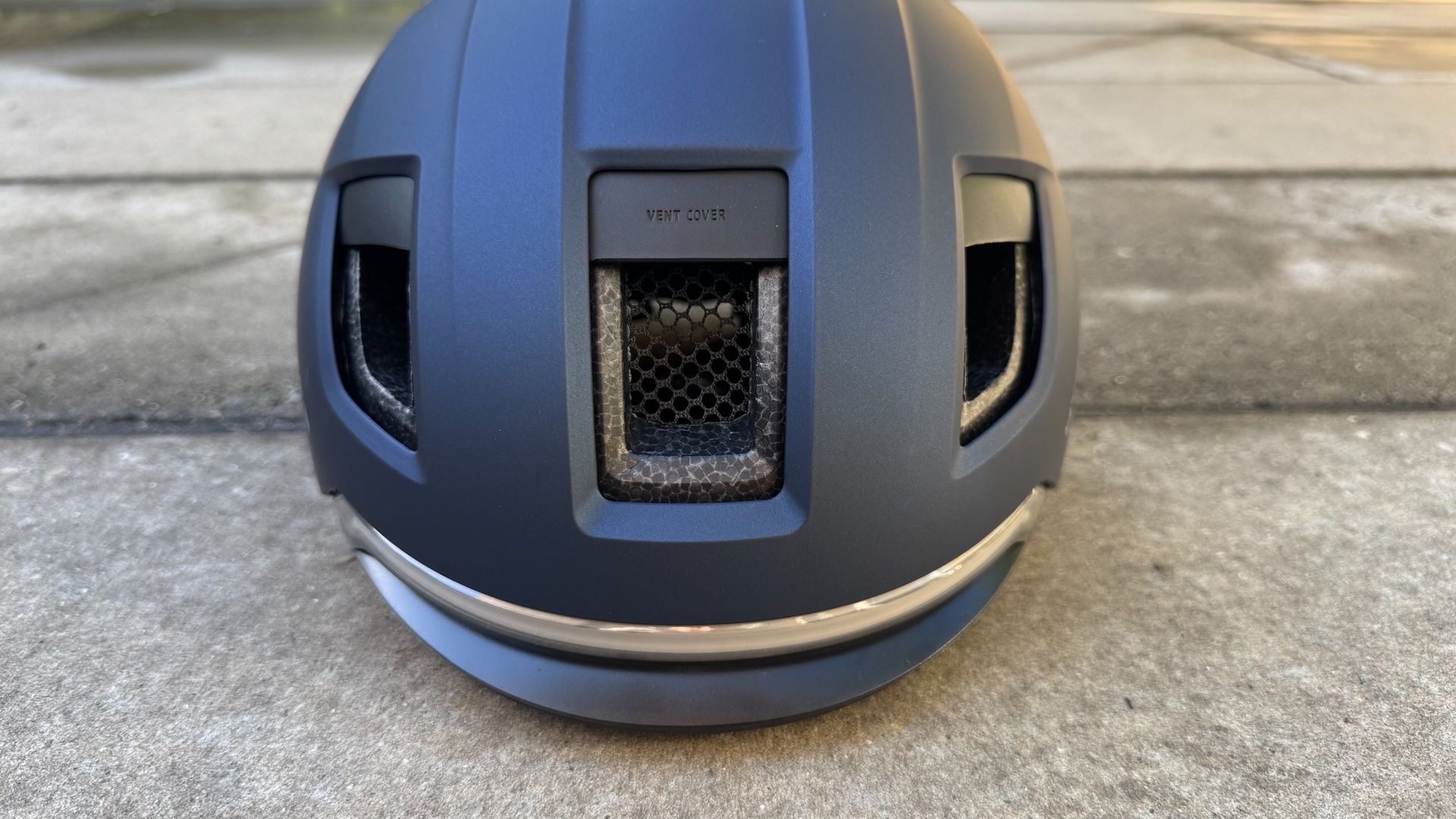
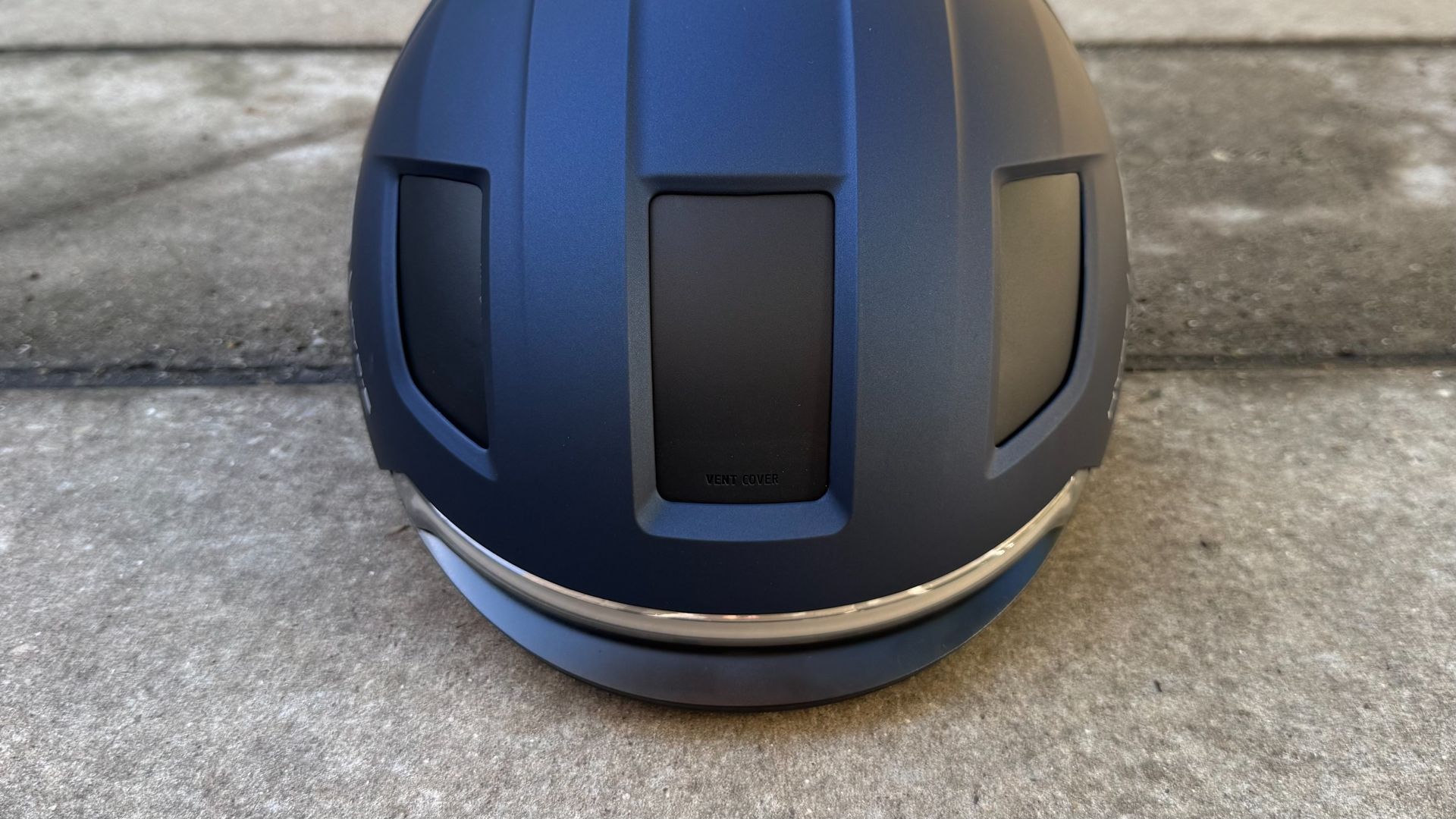
The outer shell comes down lower at the temples and the back of the head than a standard helmet, as required by the NTA 8776 standard. Up top, the vents are generous by urban helmet standards, and the Hyp-E comes with a vent cover that slides over them when the weather turns.
Out of the box, the standard Hyp-E is the most stripped-back version of the three helmets in this range. There's no visor or ear pads to bulk it out, just the shell, the lights and a set of MagneticHub mounting points at the front. Those points are there so you can add Abus's magnetic visor, in clear, smoke or photochromic, and the clip-on Ear Pads (also sold separately). Add both and the Hyp-E takes on a distinctly motorcycle-like look, which personally feels a bit much, especially if you plan on using it on pedal-powered rides.
The standard Hyp-E also has the widest choice of colours in the range, giving you a choice between evocative names such as Champagne Gold, Jungle Green and Volcano Titan. The Midnight Blue that I tested had a nice matte finish across the shell, with a grey rear section housing the rear light, with some subtle touches of exposed EPS.
Components and build
As soon as you pick up the Hyp-E, you’ll notice how robust it feels. Abus combines both in-mould and hard-shell production methods, which is why the helmet appears to have two distinct sections. The in-mould process fuses the EPS liner into a thin polycarbonate outer during production, while the hard-shell process involves manufacturing the liner and outer shell separately and then sticking them together. The in-mould process gives the Hyp-E its protective lower edge and rear section, while the hard shell allows for the slidable vents.
Safety is underpinned by NTA 8776, the Dutch e-bike standard that requires testing at higher impact speeds and extra coverage around the temples and back of the head. The helmet also carries CE and US CPSC certification. What it doesn't have is MIPS or any other rotational impact system, which is a notable omission at this price, and there's no Virginia Tech rating to back up the protection claims either.
The headline feature, of course, is the lighting. Rather than offering clip-on units, the front and rear LEDs are integrated into the shell, come with six modes – steady, power, flow, pulse, flash and eco – and boast an output of up to 50 lumens. Runtime ranges from a claimed minimum of two hours on the brightest steady setting to 40 hours in flashing mode, and the lithium-polymer battery takes around four hours to charge via USB-C. That's a welcome step up from the Micro-USB port and 10 lumens on the Abus Pedelec 2.0.
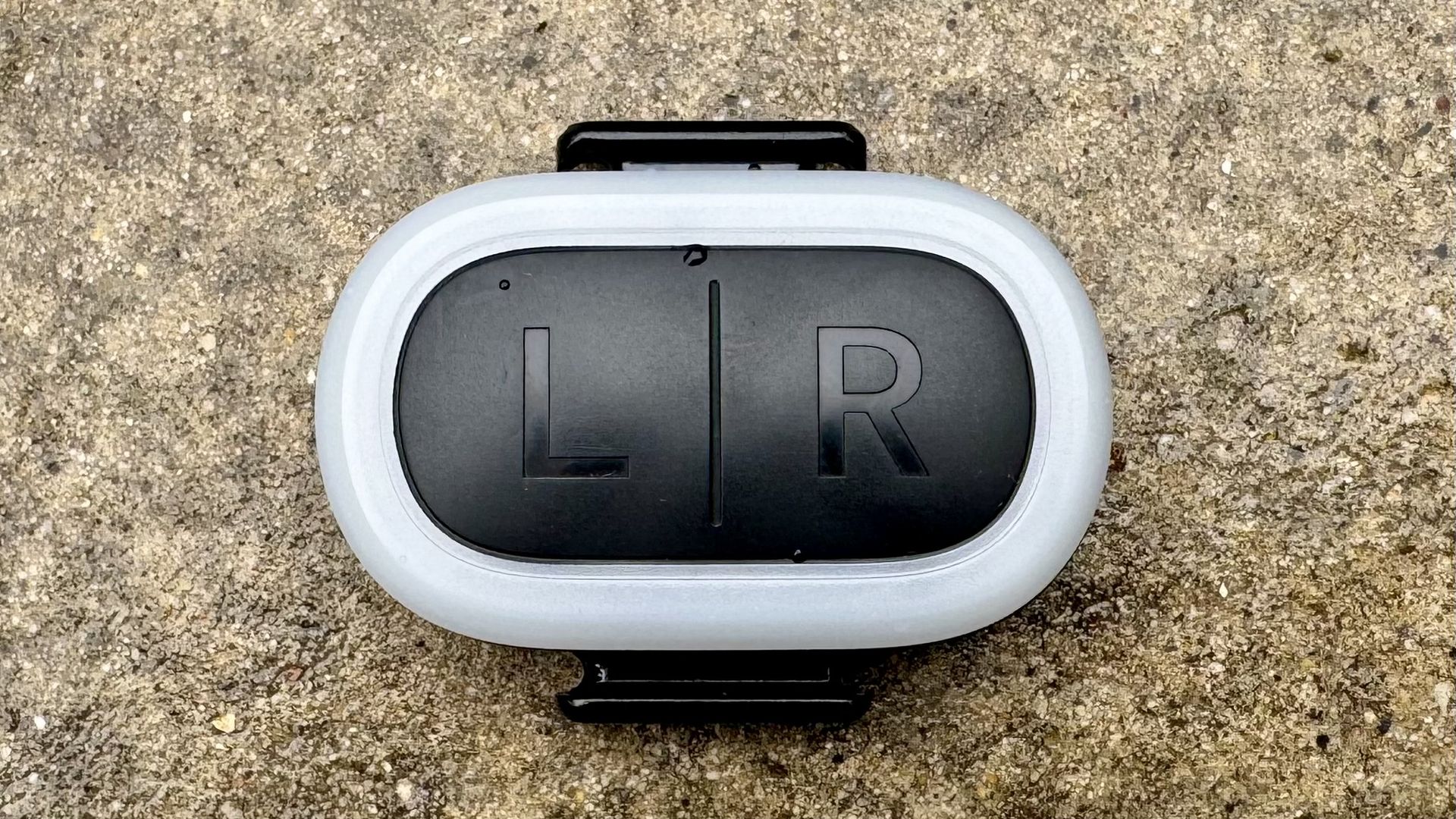
As well as providing a good source of visibility, the lights double as indicators, and the helmet comes with a wireless remote that straps to your handlebar. Pressing either button triggers a sequential sweep on the relevant side of the helmet, front and rear. Press both at once and you get a hazard-warning function. The remote is simple and connects via a radio link system, rather than Bluetooth, so there's no app to set up.
The standard Hyp-E doesn't include the brake light remote, which comes with the top-tier BL.ACE. Rather than relying on an accelerometer to guess when you're slowing down, Abus's brake light uses a rubberised cap that slips over your brake lever and fires when you pull it. It can be bought separately if you want to add it later.
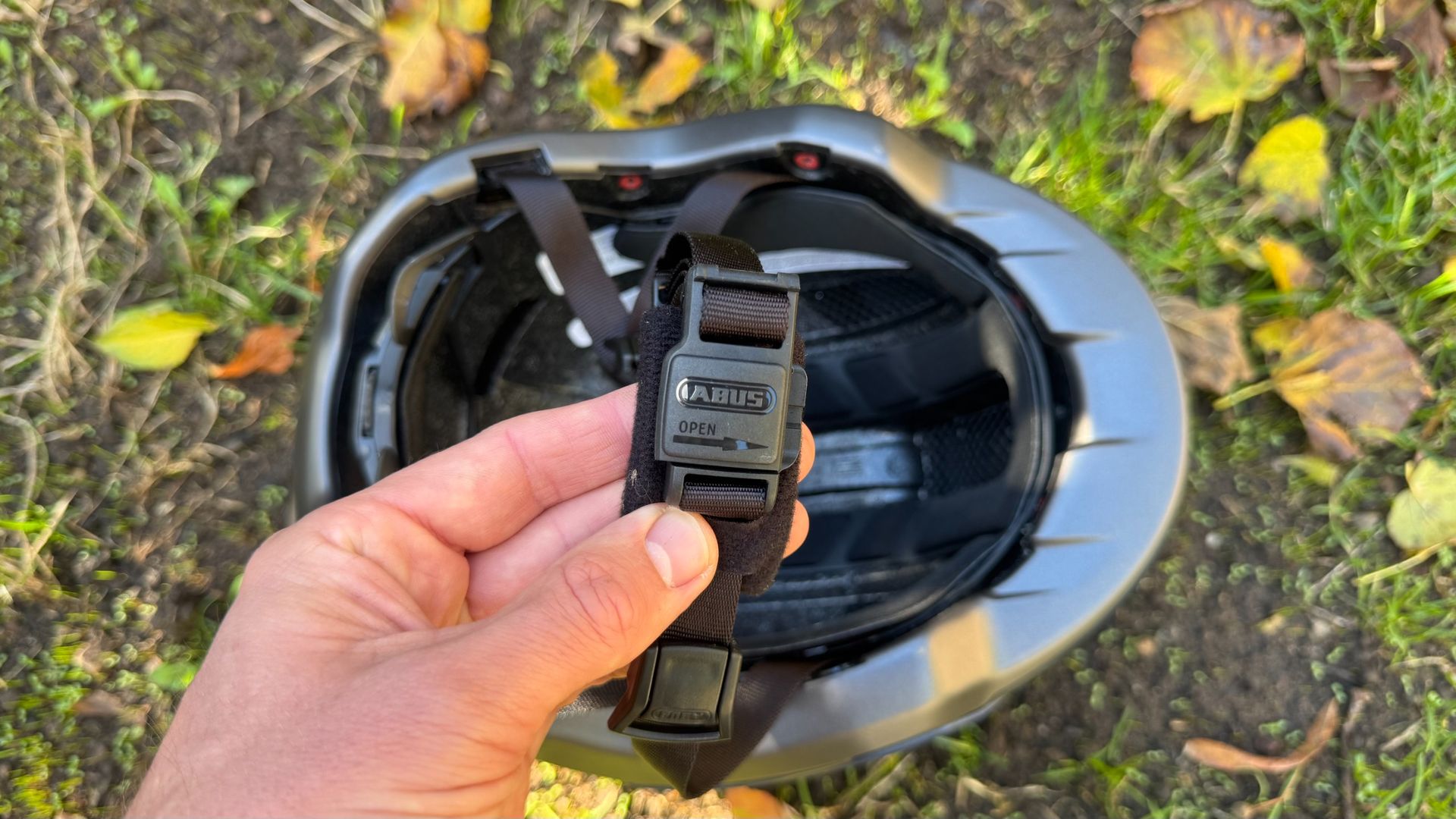
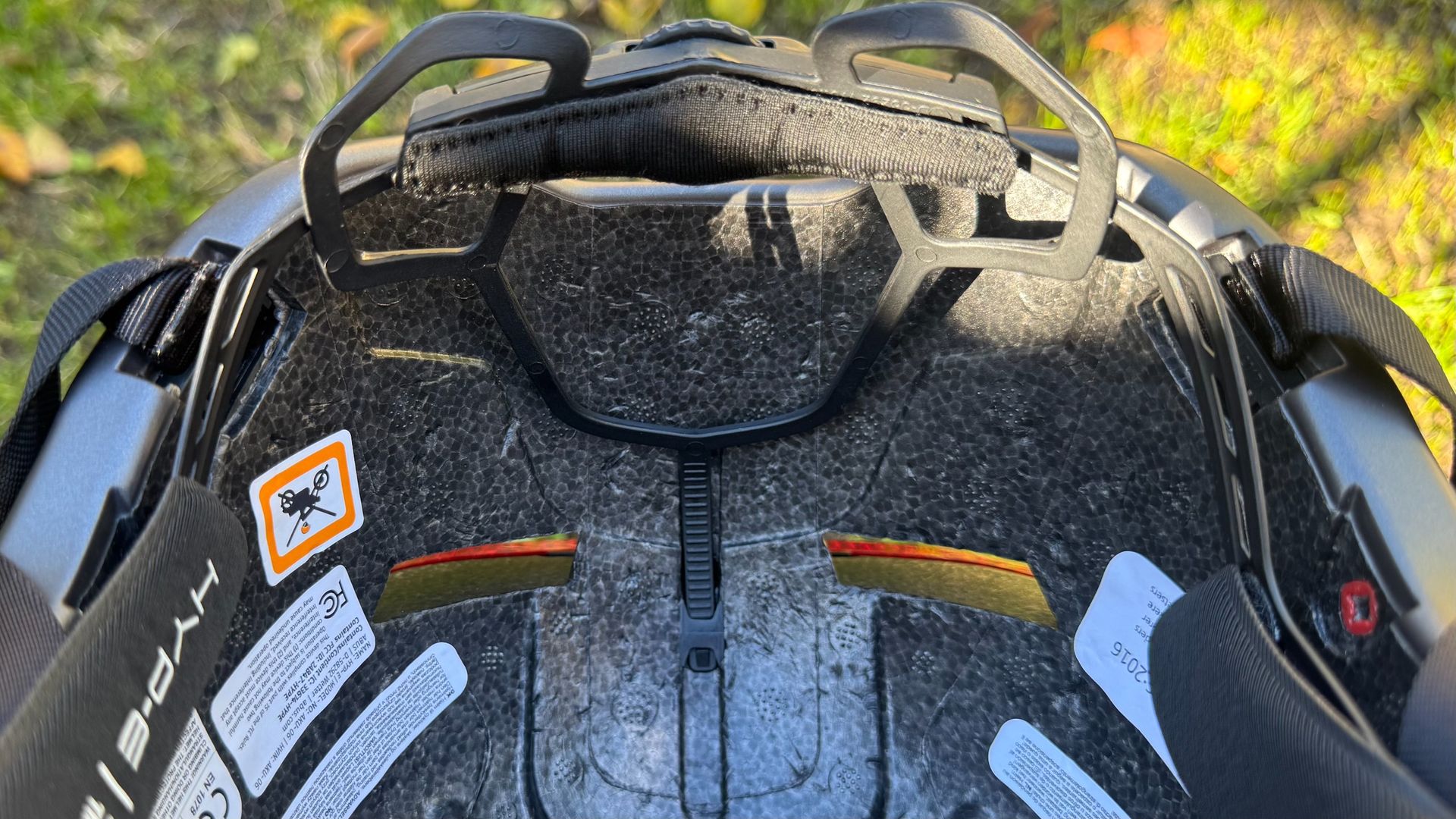
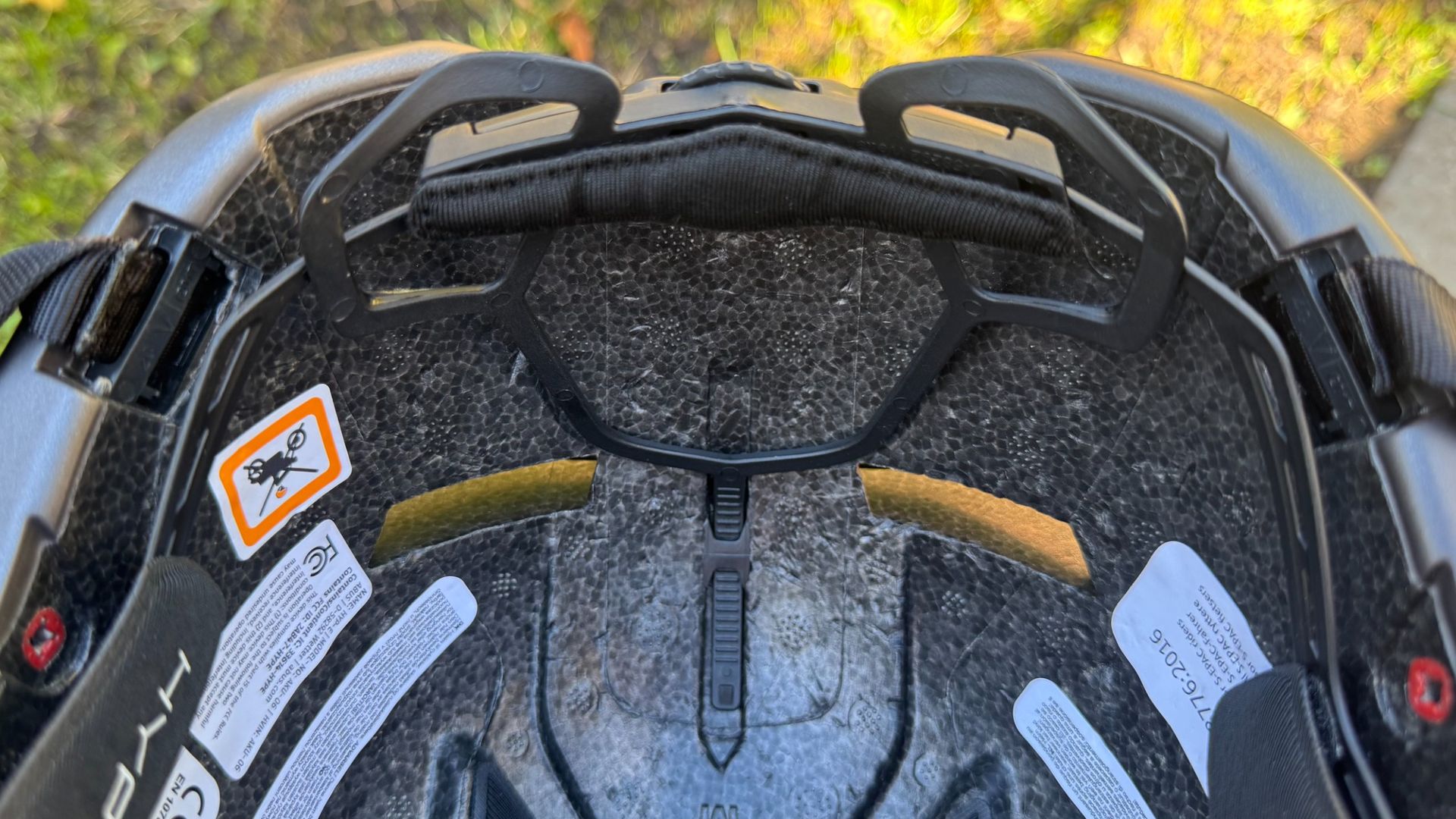
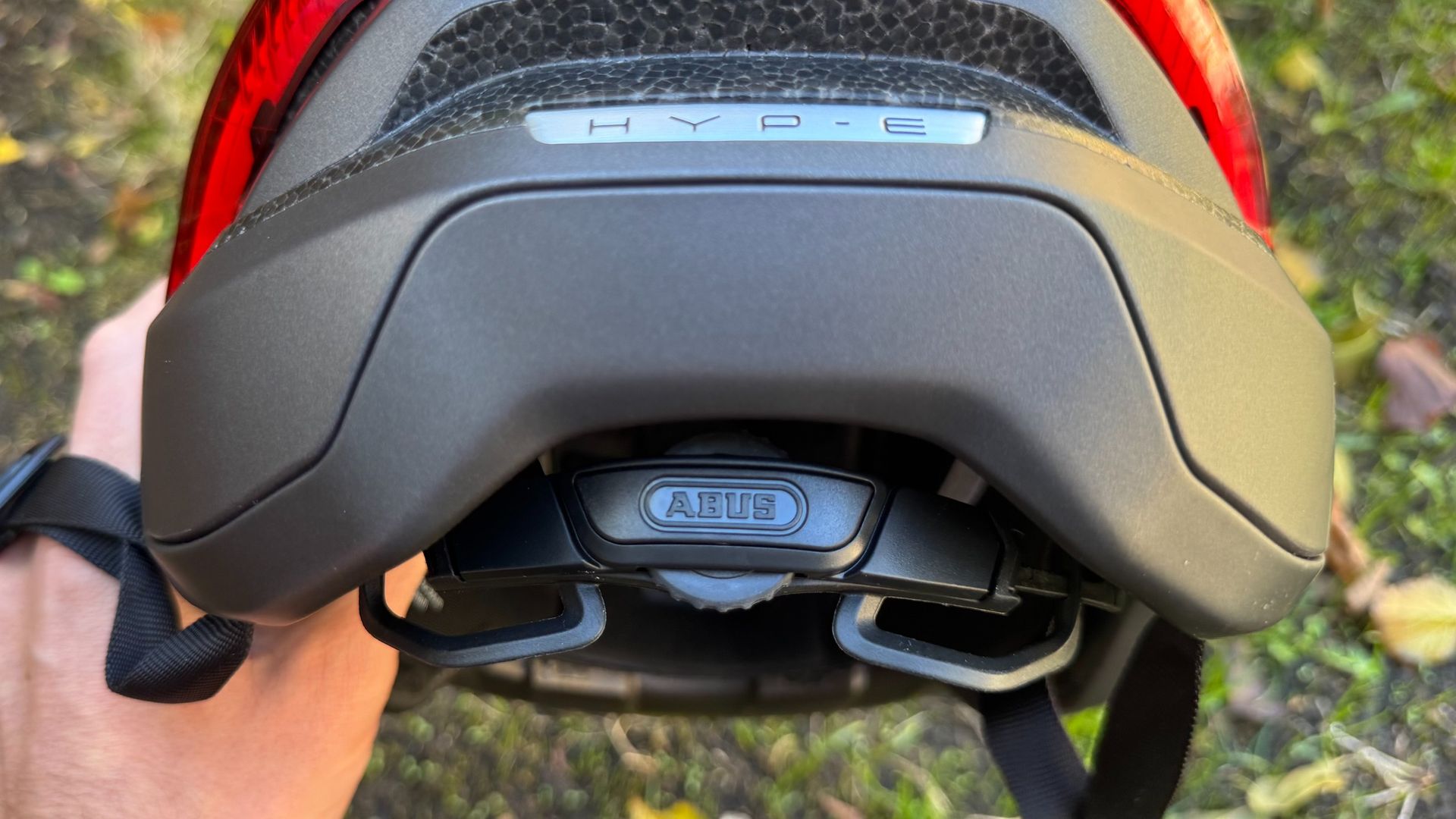
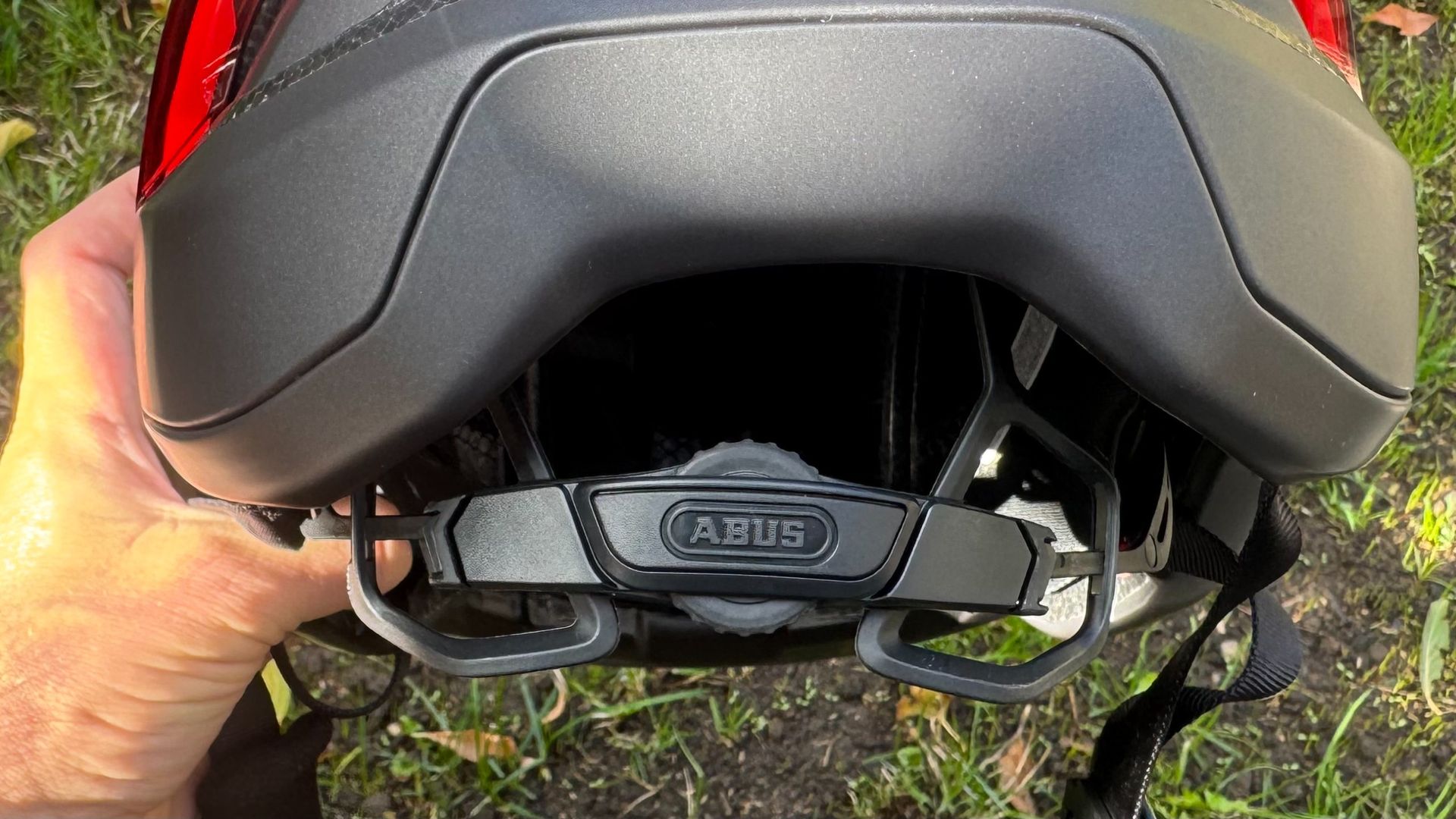
Fit is handled by the Zoom Spin dial system, which uses a full headring and is height-adjustable, with an opening to accommodate ponytails. Abus's strap dividers lock in place below the ears, and they fasten with a magnetic buckle that can be opened one-handed.
Ventilation comes from three closable intakes on top of the helmet and two exhausts at the rear. The intakes are backed by bug mesh, and the included Vent Cover clips over them to block out rain, wind and cold. If you find you want more weather protection, the Hyp-E can be upgraded with the visor and ear pads that come with the Hyp-E ACE.
Even without those extras, the Hyp-E is no featherweight. At a claimed 580g for a medium, it weighs considerably more than the 350g Pedelec 2.0 and sits at the heavier end of the e-bike helmet category. That's the price you pay for high-quality integrated lights and battery.
Performance
I’ve been testing a lot of different e-bike helmets over the last six months, and picking my favourites for the best e-bike helmets has been a tough task. While the Hyp-E didn’t quite make the cut, it still performed extremely well in a range of conditions.
My top two criteria when researching helmets are safety and comfort. While I’m not paid nearly enough to put the Hyp-E’s safety credentials fully to the test, you can rest assured that some thorough testing has been carried out by people far more qualified than me. The NTA 8776 certificate is the gold standard when it comes to e-bike lids, and I would hesitate in recommending a helmet without it.
When it comes to comfort, there is of course an element of subjectivity, and to go some way to mitigating that, I did pass my Abus round a few friends for a second opinion. The consensus is that it is a pretty comfy piece of kit.
The Hyp-E uses a full 360-degree headring within the cradle, which means that any pressure that comes from tightening the dial adjust should be spread out, rather than being applied from the front or back, which can be the case with 180-degree rings. The fact that the rear section and dial adjust can be moved up and down only adds to the level of customisation when it comes to fit. It also allows for ponytails.
The strap doesn’t boast the reflective thread like the Pedelec 2.0, but otherwise it’s got some nice touches. The magnetic buckle is an advancement in fastening that I am fully on board with. Being able to unbuckle one-handed when you come crashing through the door after a wet and windy commute is the kind of small win I am here for. In addition, the soft chin guard beneath the buckle is held in place by Velcro, which saves you having to line it up every time you do the thing up.
For me, the two big plus points on the Hyp-E are the retractable vents and the integrated lights. Abus have clearly set out to make a line of e-bike helmets for all seasons and conditions. By including three big front vents, it has done what so many modern e-bike helmet manufacturers have failed to do, and allow sufficient airflow for warmer days. But by adding the slide-down covers, the design accounts for wet, cold and windy days, too. Abus has done this on the Pedelec 2.0 as well, although the cover comes in the shape of a tiny anorak which packs into a compartment at the rear of the shell.
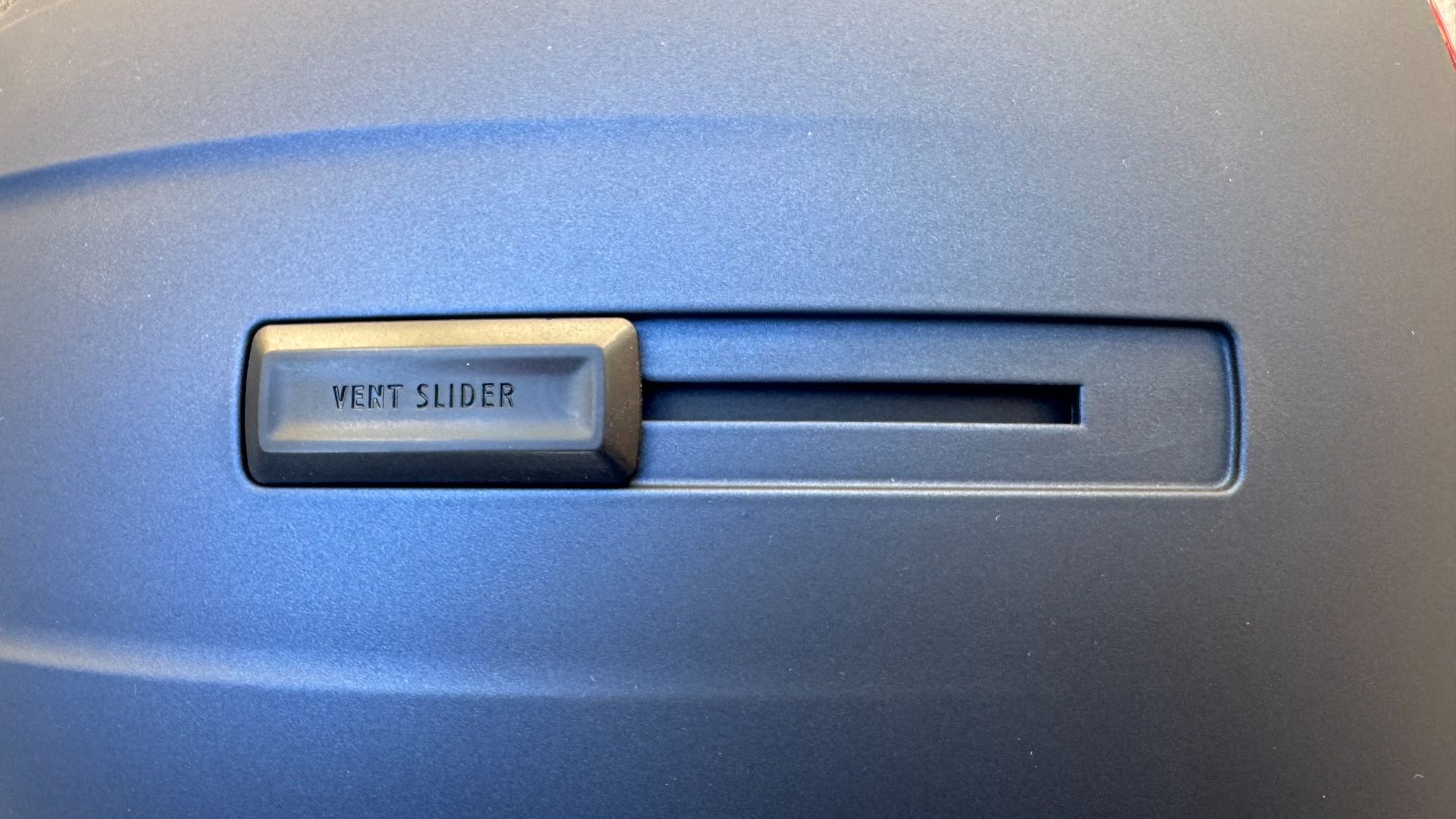
In testing, the vents did exactly what they were designed to do, letting a decent amount of air in at the front and out through the rear. The vent covers are easy to close while riding, with a single slider fitted at the top of the shell.
Having tested this during early autumn, I was faced with a decision on those wet-but-still-warm rides. With the vents closed, the airflow is completely shut down, so it does get a bit warm. Honourable mention here to the Lazer Verde which has tried (with limited success) to create vents that both let air in but keep rain out. The Pedelec’s anorak should probably get another mention here, as that does at least allow some breathability.
With the nights starting to draw in, I was really glad to have the option of extremely effective integrated front and rear lights. At 50 lumens these aren’t the brightest (honourable nod to the Unit 1 Aura), but when it gets properly dark they really stand out. In addition, they wrap a long way round the shell, giving you a better chance of being seen by vehicles approaching from the side.
Once you get to know the button and the modes, it’s easy enough to operate whilst riding, and the USB-C charger means you’re not forever hunting through drawers for an old lead.
I’m a big fan of these lights, and while I’d always recommend pairing them with some decent bike lights as well, the extra visibility goes a long way. As far as the indicators go, I’m not fully convinced turn signals via a helmet light is something drivers are fully tuned into, but that will inevitably change if and when the technology becomes more widely used.
The indicators on the Hyp-E go produce a very clear flashing light on the right or left of the helmet, and the colour switches from red to yellow. This means anyone paying attention will see a pretty distinct signal, as opposed to mistaking it for just another mode. The handlebar-mounted switch was easily paired with the helmet in a matter of seconds, and also charges via USB-C.
I didn’t get a chance to fully put Abus’ claims around helmet battery life to the test, but the lowest output mode (which I assume gets you the maximum 40 hours of charge) is frankly pretty crap compared to the other settings. So I would assume the time between charges to be considerably shorter than that.
One drawback of the Hyp-E is that it’s pretty heavy, which is to be expected when you include such good lighting. It weighs a full 200g more than the Pedelec, which is ultimately one of the reasons its little cousin made it into the final list of favourites ahead of this one. While e-biking between school and nursery, I didn’t really notice it, as these are 20-minute rides and I sit more upright, but head down on my pedal-powered commute, I did notice the difference compared to my regular lid.
Value
The Hyp-E currently retails at around £159, putting it just about in the top end when it comes to e-bike specific helmets. If you want to add the bells and whistles (not literally) you could fork out £199 for the ACE or £230 for the top-spec BL.ACE.
For that money, you get integrated front and rear lights, indicators with a handlebar remote, a vent cover, USB-C charging and NTA 8776 certification. That's actually quite a lot of tech for well under £200. The missing pieces are MIPS or any rotational protection, a Virginia Tech score, but you’re still getting a good return on your investment.
If you don't need indicators and you want to trim the weight, Abus's own Pedelec 2.0 costs around £150 to £160, weighs significantly less and has a clever integrated rain cap, but its 10-lumen rear light is a big step down.
The Smith Dispatch MIPS costs £155 and combines MIPS, Koroyd and NTA 8776 certification with an included clip-on rear light, all at 394g. Personally, I love the Dispatch, but it lacks the front light and vent covers. The Giro Camden MIPS costs around £120 and pairs NTA 8776 and MIPS with a big rear light and does have vents you can close.
The most direct rival is probably the Unit 1 Aura MIPS. At £200, it costs a little more but adds MIPS and a full five-star Virginia Tech rating to NTA 8776 certification. Its eye-catching 350-lumen front and rear lights charge via USB-C, and it also offers crash detection. It's heavier still at 610g, though, and the indicator remote isn't included as standard.
Verdict
If being seen is your top priority, the Hyp-E is one of the most complete packages on the market at this price. Integrated front and rear lights, indicators and a remote all come as standard for less than many rivals charge for a helmet with a single rear light.
It also scores highly in the helmet-for-all-seasons category, with the large vents offering enough airflow on warm days and the retractable covers giving you the option of shutting out the elements.
Despite the weight, which is pretty significant, I also found it otherwise really comfortable, as did a few friends (albeit not for long periods). The full 360-degree headring (which isn’t a given at this price point) and adjustable rear section make finding a snug fit nice and easy.
Add to the mix the USB-C charging port and the magnetic buckle, and the Hyp-E is suddenly ticking a lot of boxes.
While it comes badged with the NTA 8776, the lack of MIPS is a real omission, and the Unit 1 Aura offers more independently verified protection for not much more money. But if visibility, ventilation and comfort matter most, the HYP-E makes a strong case.
Comfort | Great customised fit with 360-degree headring and adjustable height on the dial | 9/10 |
Safety | Comes with NTA 8776 but lacks Virginia Tech rating and rotational impact protection | 7/10 |
Ventilation | Great ventilation that can be shut off in cold or wet weather. | 9/10 |
Lights | Good visibility with USB-C charging and indicator function. | 8/10 |
Design | A good looking lid although slightly on the bulkier side and weighs a lot. | 7/10 |
Value | Compared to the competitors you're getting decent value, with plenty of features for just under £160. Ultimately it depends how much value you put on things like indicators and vent covers. | 9/10 |
Overall | 82% |