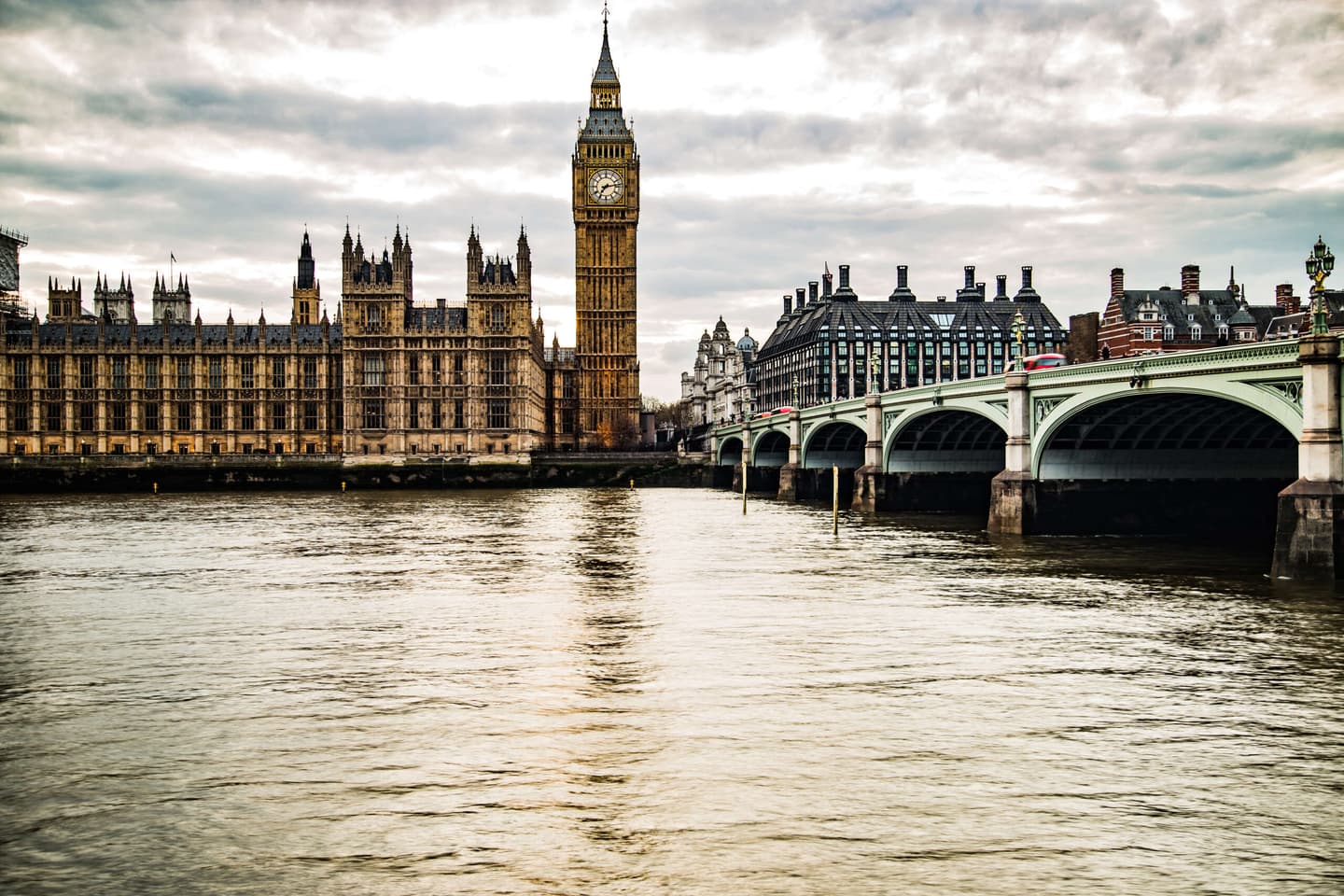
The United Kingdom’s opposition Conservatives have released a report recommending that British Overseas Territories, including the Cayman Islands, have full-time representatives in the House of Lords.
In a white paper launched earlier this month, the Conservative Friends of the Overseas Territories stated that “for too long,” the partnership between the UK and its Overseas Territories had been treated as “an afterthought rather than a priority,” and that a “new approach, strategy and relationship” was needed.
The paper outlines 39 recommendations, one of which involves giving each territory dedicated representation in the House of Lords.
“Representation at Westminster would provide a voice on matters of shared UK-OT interest, but would not replace, supersede or diminish the authority of the Territories’ own elected governments or legislatures,” the white paper noted.
It continued, “The purpose would be to ensure that the Territories have a permanent and authoritative voice in Parliament, particularly on legislation and policy affecting their constitutional position, security, international relationships and wider interests.”
- Advertisement -
Although Cayman, like other Overseas Territories, does not have an official representative in the House of Lords – the upper house of Britain’s Parliament – members of the House engage with Cayman interests through the Cayman Island All-Party Parliamentary Group, an informal cross-party group of MPs and peers.
Overseeing the Overseas Territories
In the white paper, the Tories, which lost power after 14 years when the Labour Party won the July 2024 general election, are also calling for overall responsibility of the UK-Overseas Territories relationship to come directly under the British prime minister. This would include the formation of a Cabinet committee, chaired by the prime minister, with representation from each of the territory governments and various UK government bodies.
“This would place coordination at the centre of government and ensure that decisions affecting the Territories are considered across departments rather than in isolation,” the paper said.
Currently, responsibility for the Overseas Territories falls within the remit of the parliamentary under-secretary for the Overseas Territories and the Caribbean in the Foreign, Commonwealth and Development Office.
The Conservative Friends of the Overseas Territories, which was set up in September 2024 as an official special interest group within the Conservative Party, also recommended that each of the 14 Overseas Territory governments are involved “at the earlier appropriate stage” whenever UK international negotiations or diplomatic initiatives directly concern the territory.
Another one of the recommendations calls for the enhanced protection of territories’ constitutional arrangements and sovereignty, ensuring that “no government should be able to negotiate away the sovereignty or fundamental constitutional position of an Overseas Territory without the consent of Parliament.”
The paper also recommended that a future Conservative government should publish a new UK-Overseas Territories strategy within its first year, developed jointly with territory governments. “The strategy should move away from ad hoc, programme-by-programme engagement towards long-term, bespoke partnerships with each Territory, recognising their different constitutional, economic, geographical and strategic circumstances.”
The group has also called for a review of arrangements for citizens and residents of the Overseas Territories seeking to study, train or undertake public service in the UK. “There should be a presumption that eligible persons from the Overseas Territories should be treated on the same basis as British citizens for UK public-service training and education, rather than being disadvantaged simply because they ordinarily reside in an Overseas Territory,” the paper stated.
The white paper, which was presented at the Conservative Party Conference in Brighton, covered four areas: “Redefining the UK-OT relationship through better governance and constitutional clarity and certainty; strengthening security and resilience against a growing range of threats; protecting the environment while backing sustainable development and tourism; and unlocking sustainable economic growth across the Territories’ diverse economies.”
The Compass has reached out to the Office of the Premier for comment.
Read the full white paper here.