
Kathmandu, October 27
Nepal is set to receive a grant of more than Rs 3 billion (US$20 million) from the Fund for Responding to Loss and Damage, becoming the first country to have funding allocated under the United Nations climate change framework.
The fund’s board approved the allocation at a special meeting held on October 22, shortly after Dashain, in response to Nepal’s request for emergency assistance following the devastating floods in Rasuwa.
Nepal had written to the fund on August 31, seeking emergency financial support and identifying climate change as a major factor behind the disaster. Two days later, eight board members and six alternate members jointly urged the fund’s co-chairs to convene a special meeting.
On September 9, co-chairs Camila Minerva Rodríguez Tavarez and Georg Børsting informed Nepal that they had recommended convening a board meeting as soon as possible to ensure a meaningful response.
With nearly two months having passed since the floods, the government is now preparing to determine how the grant should be used.
“We are yet to receive formal communication from the fund. Once it arrives, we will consult the relevant agencies and prepare a proposal,” said Om Prakash Bhattarai, an undersecretary at the Climate Desk of the Ministry of Finance.
He said Nepal would prepare and submit the proposal in accordance with the fund’s criteria and guidelines.
The government must identify priority areas for spending and submit a proposal to the board. The funds can be put into use after the proposal is approved.
The decision is a new milestone not only for Nepal but also for the fund, which was established at the UN climate conference COP27 in Egypt in 2022 and is now preparing to make its first allocation.
Government begins preliminary discussions
Dr Maheshwor Dhakal, head of the Climate Change Management Division under the Ministry of Forests and Environment, said preliminary discussions had begun within the ministry.
However, Nepal will formally proceed with the process after receiving official communication and detailed procedures from the fund.
“Once we receive official information, we will consult the Ministry of Finance and the National Disaster Risk Reduction and Management Authority before preparing the proposal,” Dhakal said.
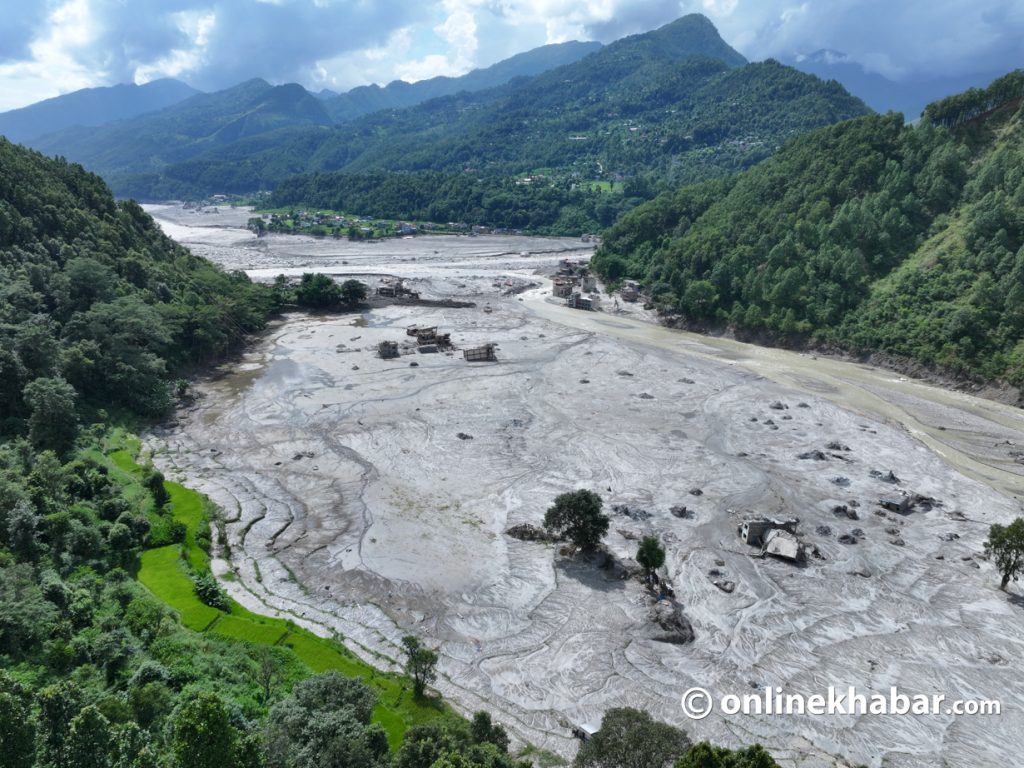
The scale of the disaster underscores the challenges facing the government. According to the National Disaster Risk Reduction and Management Authority, the floods of August 26 had left 1,453 people dead and 5,550 missing, according to figures cited in the report.
The disaster, which began with flooding in the Lhende River, has affected far more than physical infrastructure and economic activity.
A rapid assessment of damage and needs prepared jointly by the National Planning Commission and the disaster management authority estimated that Nepal would require Rs 723.31 billion for reconstruction and Rs 473.57 billion for recovery.
The proposed grant of Rs 3 billion is small compared with the overall reconstruction requirement. However, Dhakal said its significance should not be measured in financial terms alone.
“The amount itself is not very large, but it is important, and we need to focus on how it can be used to achieve the greatest possible benefit,” he said. He described the special board meeting focused on Nepal and the decision to provide assistance as significant developments in the fund’s history.
Deciding how to use the grant
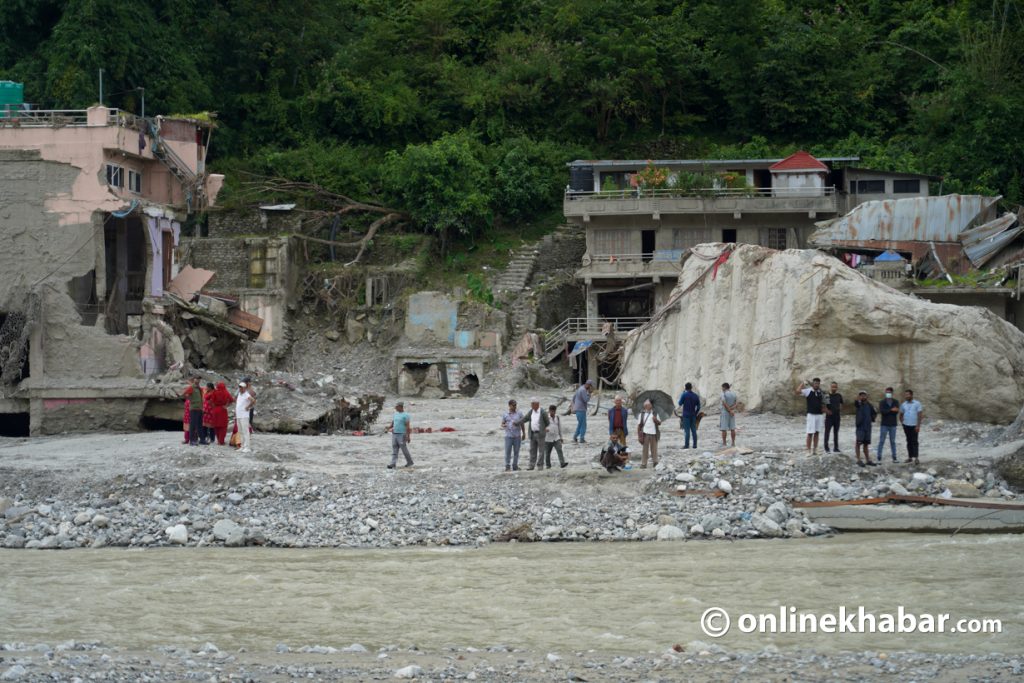
A major challenge for the government will be determining which needs should receive priority. An unnamed Finance Ministry official said the announcement of assistance had already raised expectations among flood-affected communities about what support they would receive.
Dhakal, who also serves as an alternate board member of the loss-and-damage fund, said the government needed a systematic discussion to identify where the grant could have the greatest impact.
He stressed that the proposal should align with existing government policies and programmes while reflecting the priorities and needs of local communities.
“The needs of local communities must be identified, and we must determine which can be addressed through the resources of the federal, provincial or local governments and which areas could benefit from the fund,” he said.
He added that funding from the government and the loss-and-damage fund could also be combined for certain projects.
Dr Dharmaraj Upreti, chief executive of the National Disaster Risk Reduction and Management Authority, said priority areas could be selected by examining the locations that suffered the greatest damage from the Rasuwa floods.
He identified infrastructure, housing and early-warning systems as potential areas for investment.
“The purpose of the Fund for Responding to Loss and Damage is to reduce losses and damage caused by climate-related disasters in the future,” Upreti said. “Our proposal will also prioritise measures to prevent future disasters from causing similar losses.”
The post Nepal secures $20 million loss and damage grant, but spending priorities remain undecided appeared first on OnlineKhabar English News.