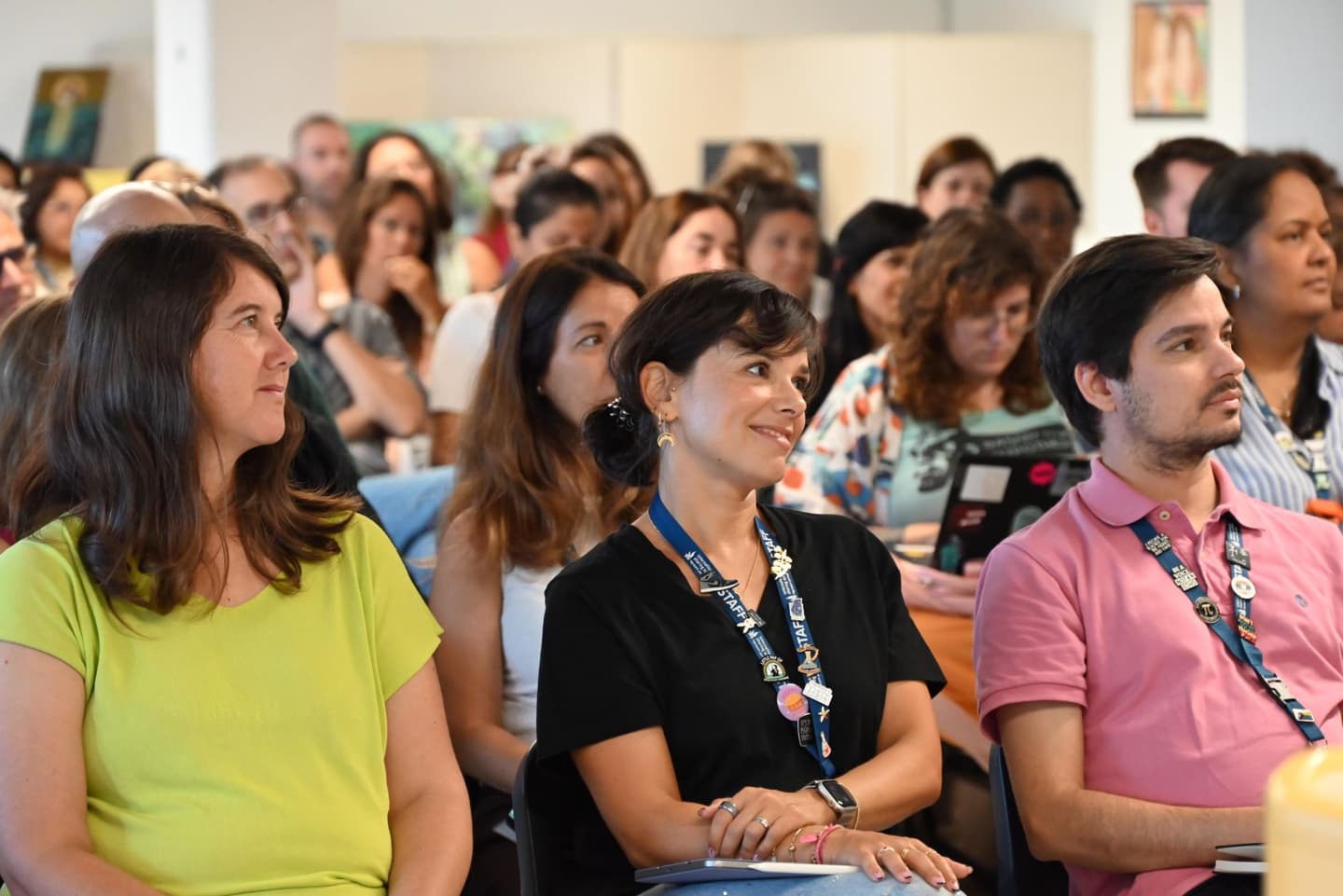
Drawing on the expertise of its own faculty, ISS Lisbon has launched SPARK, a teacher-led programme that will shape a shared approach to teaching across the school.
International Sharing School Lisbon has begun work on one of its most significant academic projects to date: the ISS Teaching & Learning Framework. The framework will be a shared description of what effective teaching and learning look like at the school, from the Primary Years Programme through to the Diploma Programme.
What makes the project distinctive is who is writing it. Rather than just adopting a model from outside, ISS Lisbon is building the framework from the knowledge and experience of its own teaching staff.
Building on strength
The project follows the school’s IB re-evaluation in April 2026. In that evaluation, teaching, learning and assessment practices in the Middle Years and Diploma Programmes were highlighted as exceeding IB expectations. The evaluators also identified areas for future development, including stronger links between programmes and greater student agency and inquiry. The new framework is designed to take that work forward.
ISS Lisbon has more than 70 educators, 15 of whom are members of the IB Educator Network (IBEN), working for the International Baccalaureate as examiners, workshop leaders, team leaders, and members of standardisation and curriculum review teams, among other roles. Through Dukes Education, staff also have access to professional development and collaboration across a wider network of schools. Many teachers are continually developing their own practice through research, training and reflection. The framework aims to capture that knowledge and make it shared practice.
“Some of the best professional learning in our school is already happening in our own classrooms. Our teachers are experienced, curious and constantly developing. The framework is about recognising that expertise, testing it against research, and making it the common way we teach.”, said Head of Academics Mr David Ferreira, who is leading the project.
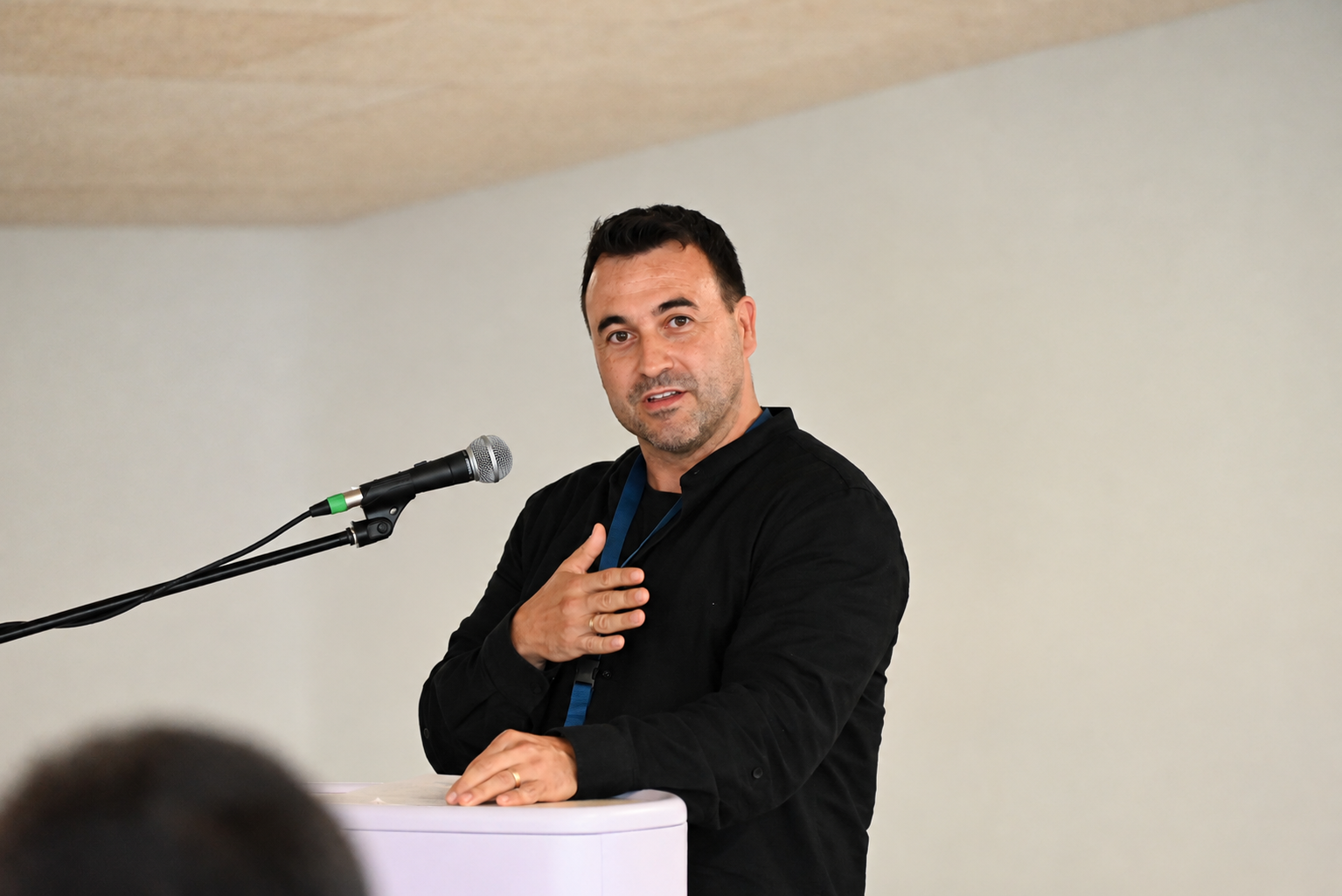
SPARK: where the framework is written
The work will take place through SPARK (Sharing Practice And Research Knowledge), a name chosen to reflect the school’s vision: Learning through Sharing. Collaboration has been part of ISS Lisbon’s identity from the start, and SPARK applies that same principle to the teachers themselves. Just as students are encouraged to learn from and with one another, teachers will develop their practice by sharing what works across classrooms, departments and year levels.
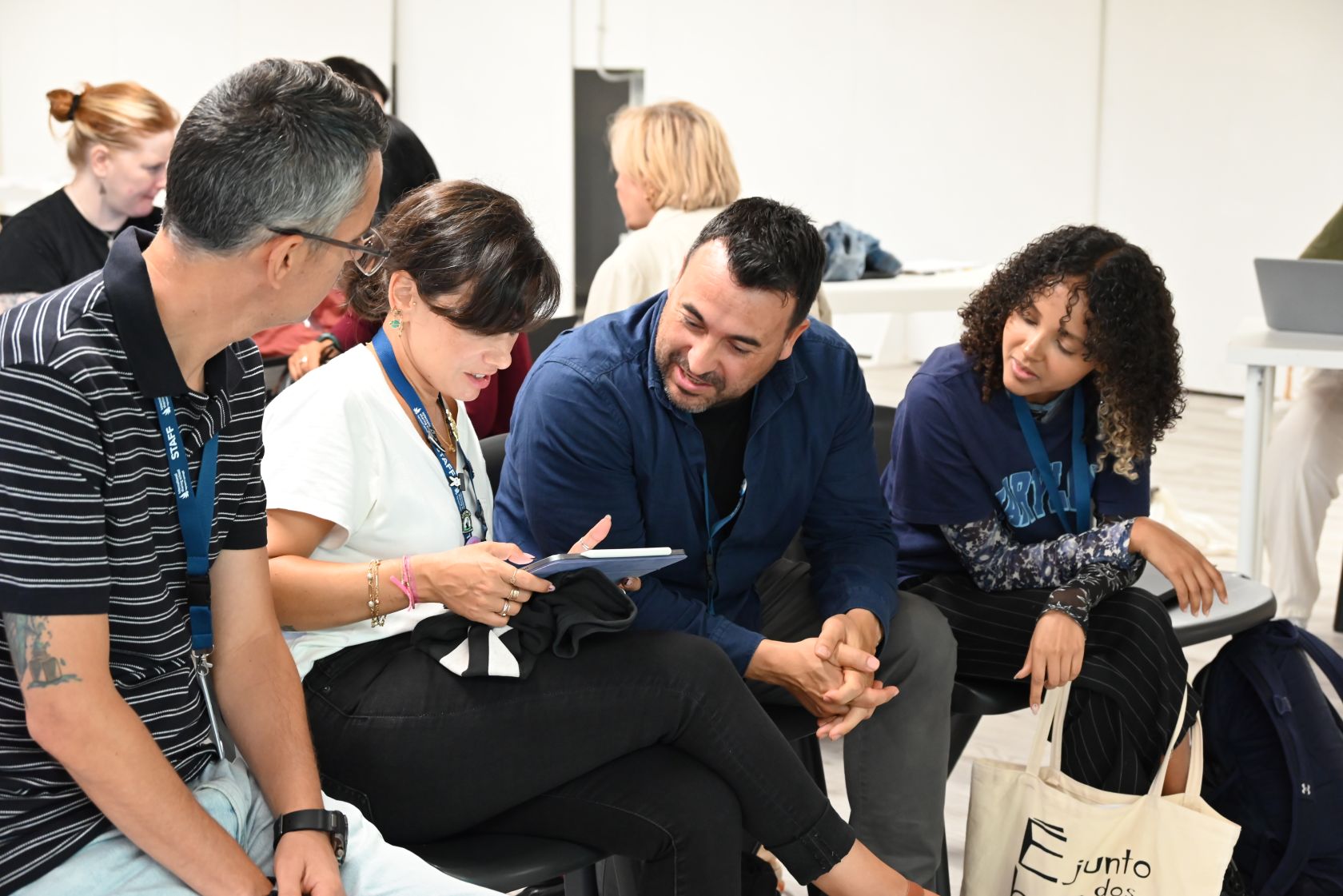
SPARK brings together a group of ISS Teaching & Learning Fellows. These are teachers from different departments, across both primary and secondary, who have volunteered to lead the project alongside their teaching.
The Fellows meet weekly and work through one theme at a time, using a three-stage cycle. First, they examine the research and gather evidence from ISS Lisbon students on what currently works. Next, they trial strategies in their own classrooms, opening their doors so colleagues can observe, and reflect on what changed for students. Finally, they share their findings with the whole teaching staff through coaching and staff training sessions. Each completed cycle adds a new section to the framework.
This final stage is central to the project’s purpose. The intention is that practice developed and tested by the Fellows is taken up across the school, rather than remaining with a small group.
Bringing approaches together
ISS Lisbon is an IB World School offering the PYP, MYP and DP. It is also a High Performance Learning (HPL) school, following an evidence-based approach founded on the belief that all students can achieve highly when they are taught the thinking skills, values and attitudes that high performers share. The school also draws on the Dukes Teaching & Learning Framework.
These approaches already overlap in many areas, such as reflection, self-regulation and student agency. Rather than running them side by side, the Fellows will map the connections between them and describe what they mean in practice in an ISS Lisbon classroom.
First theme: feedback
The first theme, Feedback That Moves Learning Forward, starts from the principle that feedback only succeeds if learning changes as a result. The Fellows will explore what gets in the way of effective feedback, for both teachers and students, and examine which forms and strategies are most likely to have a meaningful impact on student learning. One question will guide every classroom trial: what are students doing differently because of the feedback?
The theme is expected to produce a set of ISS Feedback Principles, a collection of examples from the school’s own classrooms, and a training session for all teaching staff, led by the Fellows. Later themes this year include how students learn, challenge for all learners, thinking routines and metacognition, questioning, and student agency.
A long-term project
The framework will take shape gradually over the course of the year, and the work is only beginning.
“We don’t want a framework that sits in a drawer. We want one written and owned by our teachers, grounded in both research and evidence from our own classrooms, and one that parents can recognise in their child’s day”, said Mr Ferreira.
Its aim is clear: to make sure the strengths already present in ISS Lisbon classrooms are shared and built upon across the school, in keeping with its vision of Learning through Sharing.
The first SPARK sessions begin in early November.
Learn more about ISS Lisbon and its academic programmes today.
Disclaimer:
The views expressed on this page are those of the author and not of The Portugal News.