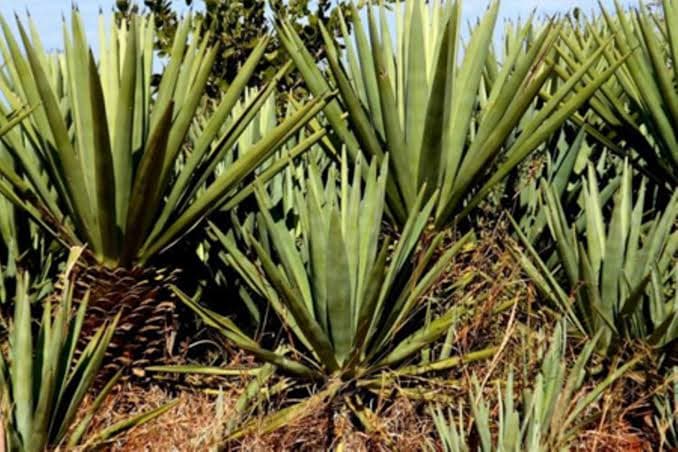
TANGA: TANZANIA is exploring new opportunities to expand sisal value addition and create employment for women, young people and persons with disabilities through a proposed partnership between the Tanzania Sisal Board (TSB) and Mwanamke Initiative Foundation.
The initiative seeks to equip women and young people with practical skills to manufacture a variety of sisal-based products for domestic and tourist markets, expanding the crop’s economic potential beyond its traditional use in rope production.
TSB Director, Mr Saddy Kambona, said the proposed collaboration would help create employment opportunities, promote entrepreneurship and strengthen women’s economic independence through value addition.
He was speaking at Mkonge House in Tanga during discussions with Mwanamke Initiative Foundation Executive Director, Ms Sabra Mohamed, who visited the board to explore opportunities for investment and skills development in the sisal industry.
Mr Kambona said TSB was ready to facilitate access to sisal fibres for training institutions and incubation centres, including those in Zanzibar, to support the production of marketable products.
“TSB will supply sisal fibres to Zanzibar and other areas through institutions and incubation centres so that women can continue learning how to make sisal products for tourist markets and other outlets,” he said.
He added that expanding value addition could help address unemployment by enabling more Tanzanians, particularly young people and persons with disabilities, to earn income from locally available resources.
During the visit, Ms Mohamed toured the Sisal Incubation Centre, also known as Mkonge BBT, which operates under TSB and provides practical training in sisal product-making.
ALSO READ: Sisal waste offers new hope for Tanzania’s forests
She also visited a sisal plantation in Hale to learn about cultivation and processing. “Our organisation seeks technical assistance from TSB, particularly trainers who could equip women and young people with sisal-processing and productmaking skills at its Bungi centre in Zanzibar,” Ms Mohamed said.
She said the centre was expected to be officially launched early next year and would provide training in various income-generating activities, including handicrafts.
“We have come to explore how we can work together to empower women. We see sisal as a promising opportunity for our Bungi centre, where we intend to train women and young people to produce a variety of products,” she said.
Ms Mohamed said the visit had revealed opportunities to use sisal in making handicrafts and explore the potential of processing waste into gas and charcoal, which could contribute to cleaner cooking energy.
Sisal Incubation Centre supervisor, Abdulatif Famau, said cooperation between the institutions could facilitate skills exchange between women in mainland Tanzania and Zanzibar, improve product quality and expand access to markets.