Uganda NGO Bureau says compliance has improved significantly since 2016, but suspensions, donor withdrawals and regulatory uncertainty are putting pressure on civil society organisations and their ability to deliver services.
Compliance among non-governmental organisations (NGOs) in Uganda has risen from 26.8% before 2016 to 62.4%, but suspensions, funding cuts and regulatory uncertainty continue to threaten the sector’s operations.
Stephen Okello, executive director of the NGO Bureau, attributed the improvement to greater awareness of legal requirements and increased engagement between regulators and organisations. However, he said many NGOs still struggle to understand and fulfil their obligations.
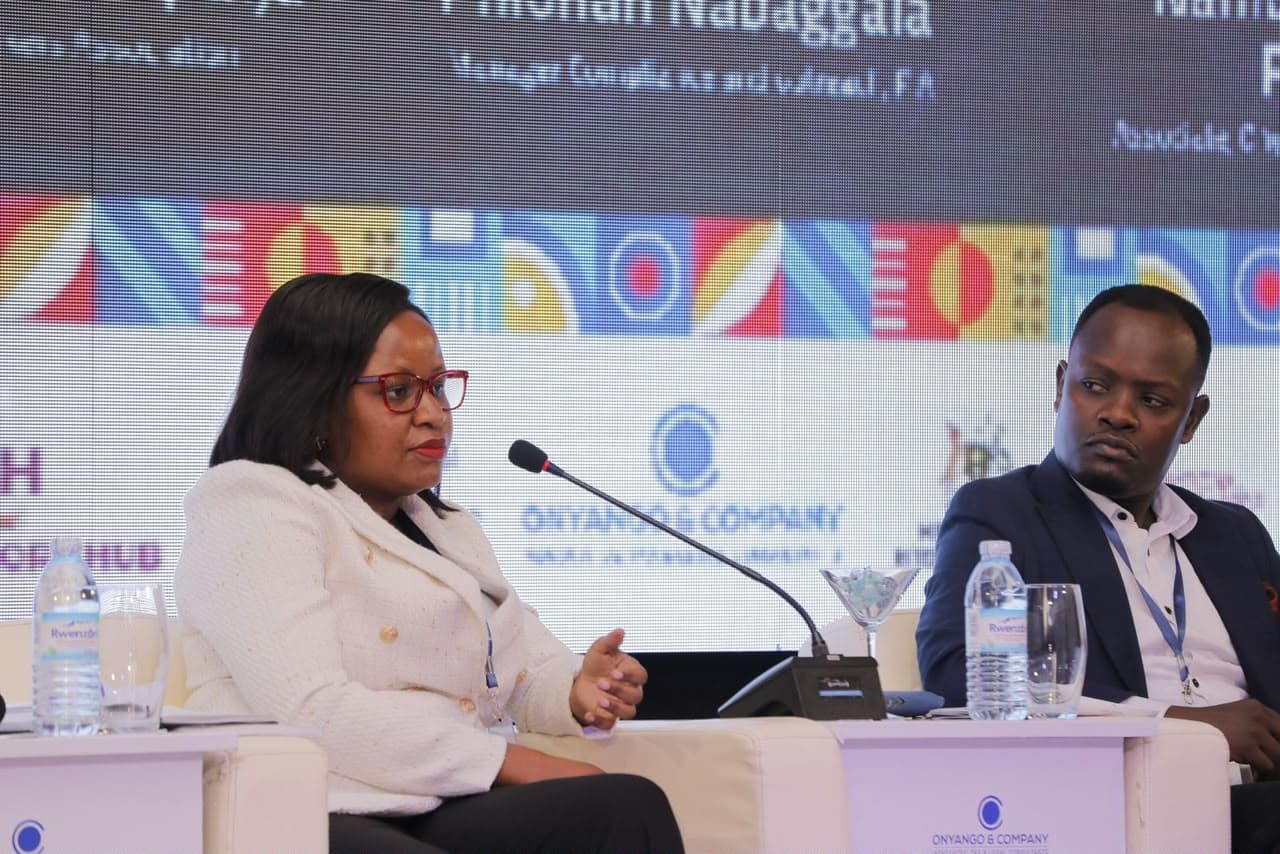
Okello made the remarks at the NGO Risk, Compliance and Resilience Conference in Kampala, organised by Civic Advisory Hub.
He said compliance now extends beyond registration and permit renewal to taxation, employment, data protection, financial accountability and immigration laws.
“Compliance is increasingly becoming a cross-cutting institutional responsibility, rather than a function limited to only registering an NGO and renewing their permit,” Okello said.
He also claimed that about 95% of NGOs were inadequately familiar with their governing documents, exposing them to internal disputes, governance weaknesses and operational risks.
Okello urged founders, board members and staff to understand their organisations’ constitutions and internal rules, which guide decision-making, financial management and human resource practices.
He questioned whether smaller NGOs should face the same compliance expectations as larger organisations, noting that established institutions could afford compliance officers while smaller groups often lacked the financial and administrative capacity to meet all requirements.
The concerns come amid uncertainty over the suspension of NGOs. Yona Wanjala, executive director of Civic Advisory Hub, said the measures had created anxiety across the sector, forcing some organisations to suspend operations and lay off staff.
“Even those ones that are not suspended, the biggest question is: who is next?” Wanjala said.
He called for transparency and due process in investigations, urging authorities to provide clear timelines and give affected organisations an opportunity to defend themselves.
“How long are they going to be under the suspension? Who is doing the investigation? How long is it likely to take? Can they give them fair hearing for them to actually plead their case?” he asked.
Wanjala said suspension letters reportedly cited allegations that some organisations were involved in activities considered prejudicial to national security. He noted that some cases were already before court.
He warned that prolonged suspensions could disrupt service delivery, cost jobs and weaken civil society organisations. Uncertainty over the regulatory environment could also discourage donors from supporting their programmes.
Wanjala also cited concerns surrounding the Protection of Sovereignty Act, arguing that uncertainty over its implementation had added to anxiety among NGOs.
The sector is facing additional financial pressure following changes in international aid, including the withdrawal of United States Agency for International Development (USAID) support under the Trump administration and the departure of other donors, including the Democratic Governance Facility (DGF).
Wanjala urged NGOs to explore alternative funding sources, including income-generating activities, provided the proceeds are used in accordance with the law and their organisations’ objectives.
Commercial banks have also warned NGOs to update their registration records, donor information and governance documents to avoid transaction delays and possible restrictions on their accounts.
The warnings add to the compliance demands facing organisations already struggling with funding shortages and uncertainty over their operating environment.
Okello said the government was reviewing the NGO Act and the national NGO policy to address changes in the sector.
Uganda’s regulatory framework has evolved from the NGO Registration Act of 1989 through subsequent amendments to the NGO Act of 2016, which introduced additional oversight provisions, including an adjudication committee to handle appeals against decisions by the bureau.
Okello said the bureau’s role extended beyond enforcement to helping organisations identify compliance gaps and understand their legal obligations.
He also criticised NGOs that prioritise donor interests over community needs, saying some had shifted from demand-driven interventions to programmes shaped by funding priorities.
Both officials called for stronger engagement between regulators and NGOs to improve compliance, address capacity gaps and ensure enforcement does not unnecessarily disrupt legitimate civil society work.