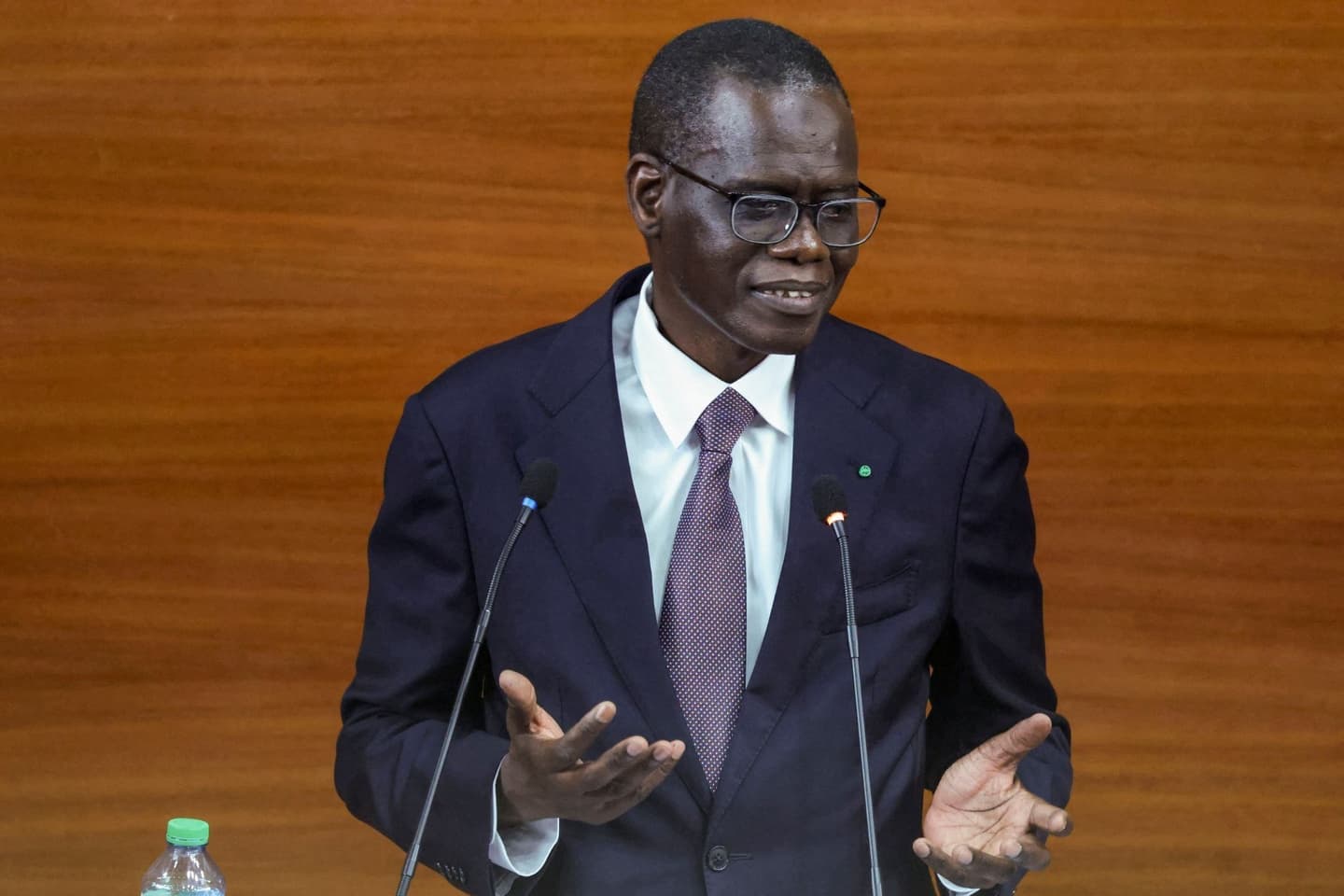
Senegal’s government is locked in a budget standoff with parliament as the oil price crisis triggered by the war in Iran strains the heavily indebted West African country’s finances. The revised 2026 budget, which sets spending at about $13 billion, would cut public investment while increasing energy subsidies. The bill is due before lawmakers on Tuesday, after the finance committee rejected it.
Parliament Speaker Ousmane Sonko, who leads the largest party in the legislature, said the budget sacrifices essential investment and demanded greater transparency over government finances. Sonko, who was fired as premier in May, has clashed with his successor over how to manage the country’s debt. Prime Minister Ahmadou Al Aminou Lô said the government would use “institutional and constitutional tools” to end the impasse if the deadlock persists.
The government owed about $44 billion at the end of 2025, equivalent to roughly 100% of the country’s GDP, and is negotiating with creditors over repayment terms. It is also seeking to restore support from the IMF, which suspended its previous loan program after billions of dollars in unreported government debt came to light in 2024. A new $2.2 billion program agreed in principle in September still awaits final approval.
— Ruben Nyanguila