
For more than 15 years, the Fatima bint Mohamed Bin Zayed Initiative (FBMI) has been rethinking philanthropy. Founded in 2010 by Sheikha Fatima bint Mohamed, it asks a fundamental question: rather than simply giving money to communities in need, what if aid could create livelihoods that eventually sustain themselves?
Its model is deceptively simple: create products people want to buy, connect their makers with international markets, and reinvest the profits in healthcare, education and support for disadvantaged communities.
“We have to change the way the world gives money,” says Maywand Jabarkhyl, chief executive of FBMI.
“You can look at profit in a very positive manner. You just have to make sure that it’s ethical and responsible.”
Rather than beginning with a community and asking what can be donated, FBMI first looks for gaps in the retail market.
“When you look at the philanthropic environment anywhere in the world, the focus is strictly on fundraising,” says Jabarkhyl.
“What we have done is look at the market first and found a solution based on consumer demands. We give the women in our programmes access to international global markets, so that their products can be upscaled, and they can earn a good living.”

FBMI’s model is closer to a social enterprise. Women in disadvantaged communities are trained to produce goods to international standards; the products are then sold through a commercial network, with profits reinvested in the wider programme.
FBMI works with carpet weavers and rural farms, and has a client roster that includes five-star hotels, luxury brands and Emirates airline. Produce from rural Afghanistan and Tanzania is now served in the Emirates first class cabin.
“I don’t think it can become much bigger than this,” says Jabarkhyl.
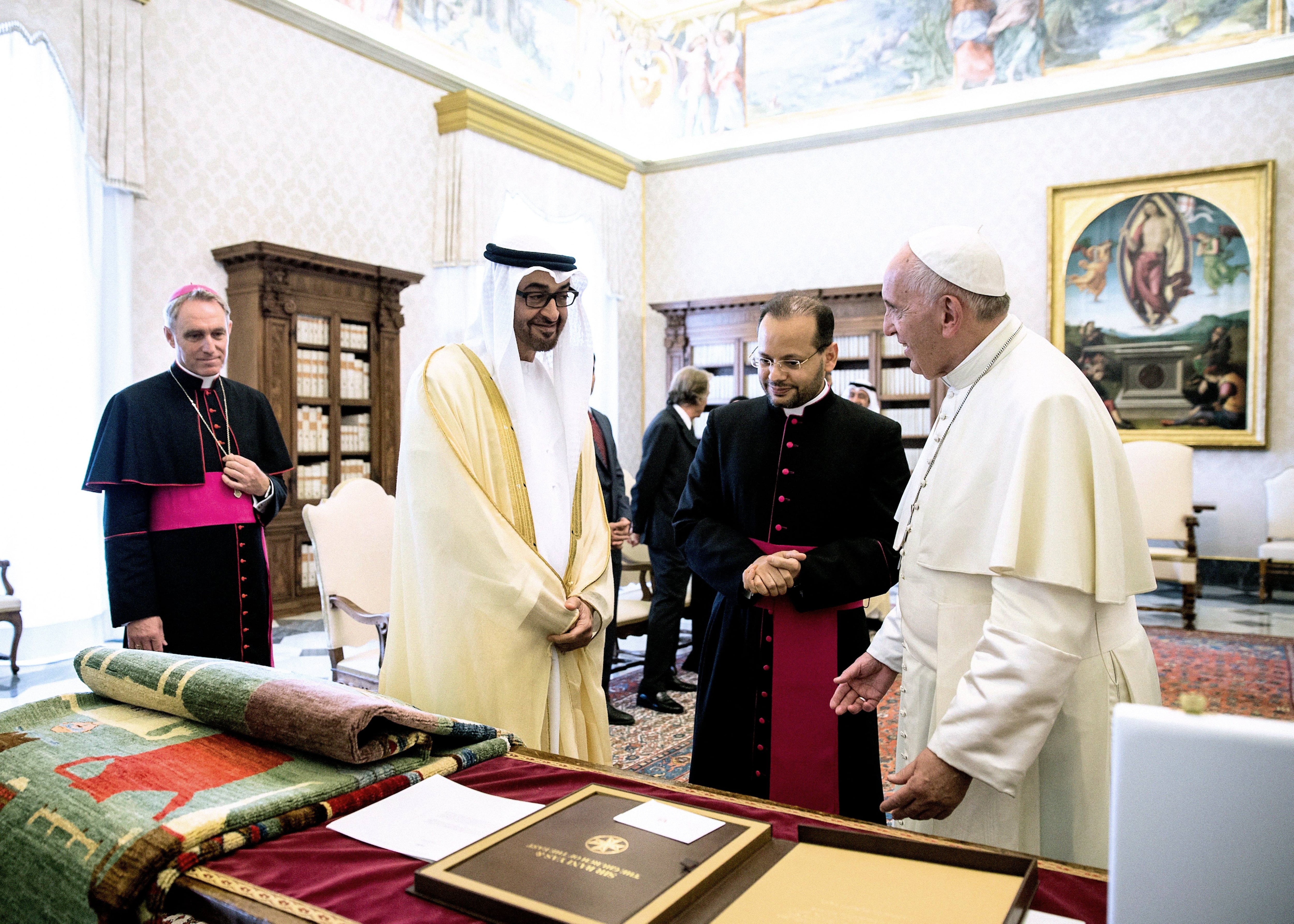
The UAE’s leadership has also embraced the initiative, commissioning carpets as gifts for international dignitaries including former US president Joe Biden, former French president Nicolas Sarkozy and the late Pope Francis. The pontiff received the Tolerance Carpet, handwoven by Afghan women, from President Sheikh Mohamed.
“We’ve become a tool for diplomacy,” says Jabarkhyl. Soft power, it seems, has been made tangible. But FBMI’s ambitions extend beyond carpets. Since launching its strategic advisory arm in 2015, it has developed four areas of activity: healthcare, education, arts and culture, and strategic advisory – alongside a portfolio of social enterprises.
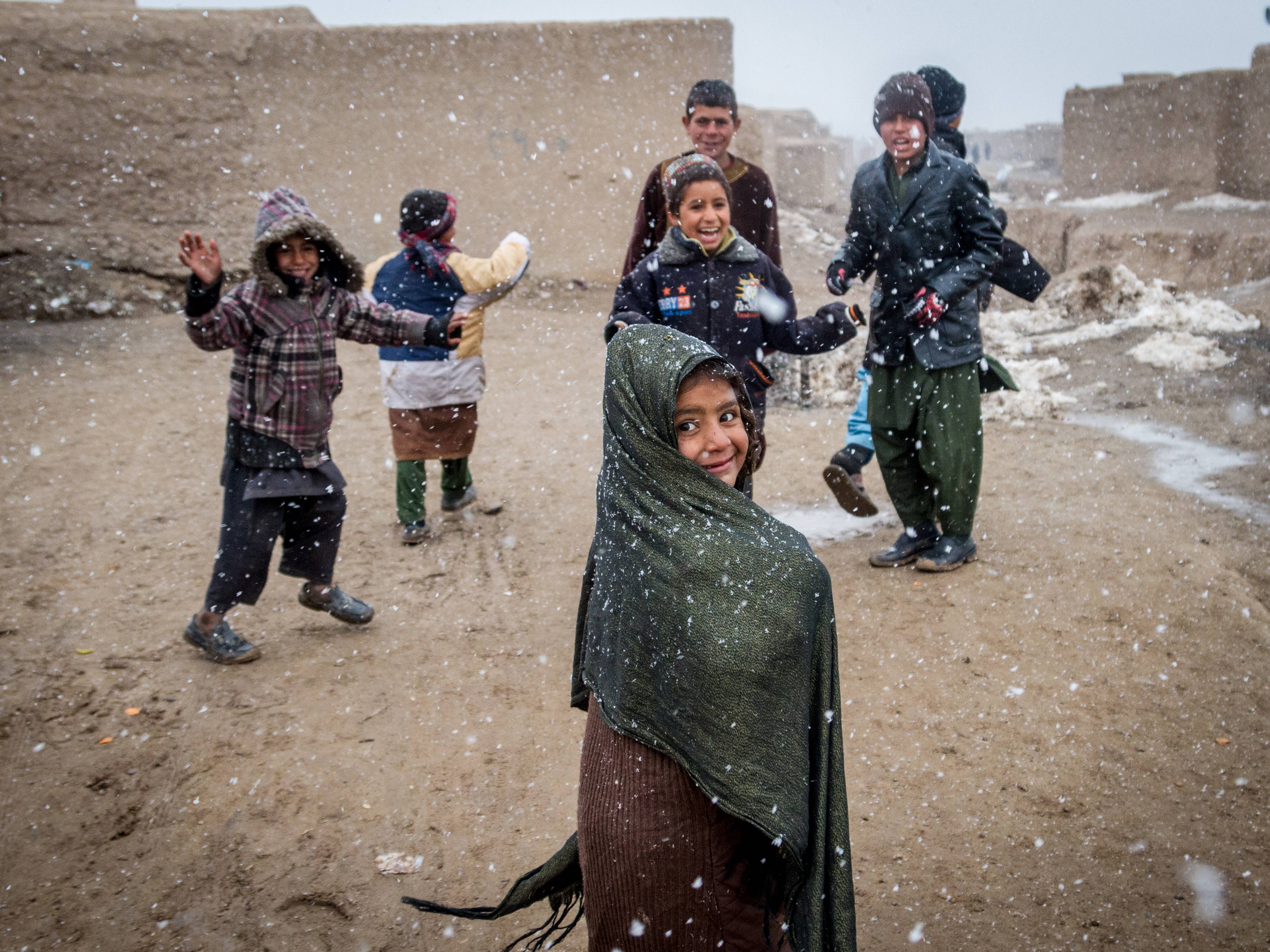
Its healthcare work reaches more than 25,000 people each month through services including mother-and-child clinics and vaccination programmes focused on 11 diseases, including polio. Other projects have improved sanitation and access to water, supported Tanzanian farmers and provided digital education for Afghan girls unable to attend school.
FBMI has hosted talks at the World Economic Forum’s Annual Meeting in Davos, worked with UN agencies including Unicef and UNHCR, and collaborated on limited-edition carpets with Zaha Hadid and Norma Kamali, as well as regional and Emirati creatives including Roudha Al Shamsi and Nada Debs.
It is now seeking to establish handmade carpet weaving within the UAE’s contemporary cultural landscape. In Abu Dhabi, FBMI is developing a centre dedicated to arts, crafts, heritage and design, exploring how traditional Emirati materials and techniques can be adapted for a contemporary market.
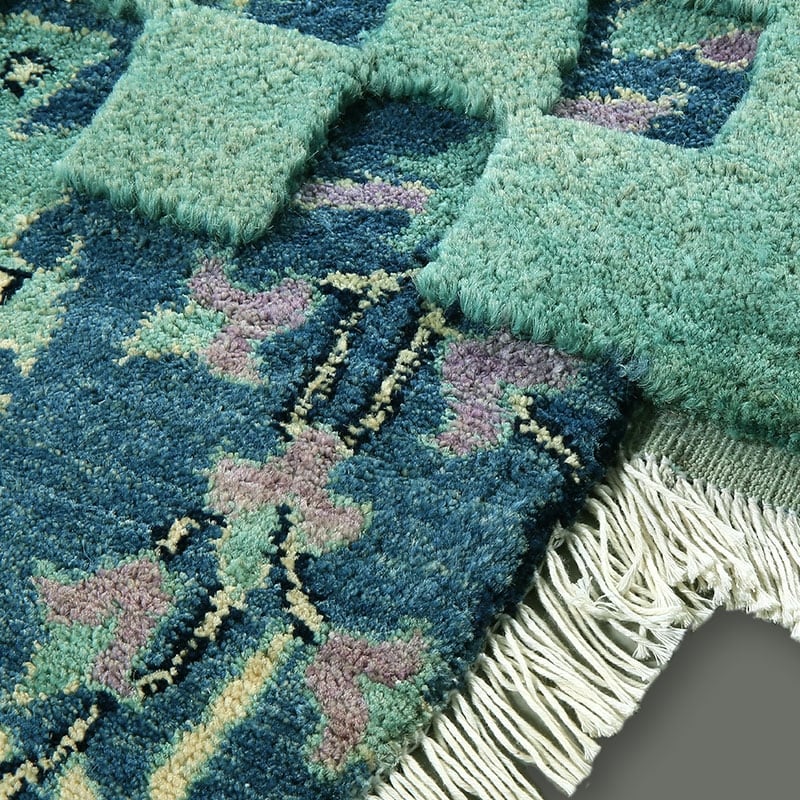
Another initiative, Intimaa: Sacred Threads, coincides with the Year of the Family. Ten UAE residents and artists, including Shamsa Al Omaira, Dhabia Al Qubaisi, Azza Al Sherif and Noura Al Serkal, are designing carpets to be woven by women in Afghanistan. The finished works will be exhibited at the Cultural Foundation in Abu Dhabi before being auctioned in December.
Another project will explore the intersection of Emirati weaving traditions such as Talli and Al-Sadu – both part of Unesco’s Intangible Cultural Heritage list – with hand-knotted carpets. FBMI also hopes to revive traditional methods of processing goat and camel wool in the region.
The work at the intersection of craft and art is also being recognised beyond the traditional non-profit space. “We’re going to be at Frieze Abu Dhabi in November, which is huge, of course,” Jabarkhyl says.
This breadth reflects the organisation’s evolution. What began as a carpet-weaving project in 2010 has become a broader experiment in how commerce, culture and philanthropy can coexist. FBMI plans to expand its commercial model to another 50 regions, with research already under way in Kenya, Senegal and Kurdistan.
The organisation’s market-first philosophy may be FBMI’s most radical proposition. Instead of asking consumers to buy something because it is charitable, it asks them to buy a product because it is good – and then allows the social impact to follow.
“You don’t have to just focus on corporate profits and then give the chunk away to a charity,” Jabarkhyl says. “You can do it all.” The proposition appears to be working. FBMI is on track to generate a nine-figure revenue this year, helping to fund its healthcare, education, research and development programmes.
Jabarkhyl’s goal is not simply for FBMI to grow, but for its approach to become commonplace. “I’d like to see more organisations undertaking the model that we have,” he says. “We just can’t keep asking for more and more money every year when it comes to livelihoods.

“We are very good at saying: ‘We don’t want your money; just buy the products that we have, because they are world-class.’ I think people warm to that.
“We want to give them something in return – a lovely carpet, some nice dried fruits or saffron. When people see that there’s an exchange, they are more convinced they are doing something for the country, for arts and culture, and supporting something that they believe in.”
That is the philosophy at the heart of FBMI. Its proposition is not that philanthropy should disappear, but that it should become more ambitious: less concerned with the temporary relief of giving and more interested in building something that lasts.