
Henrik Pedersen's new contract in September said it all. Sheffield Wednesday’s manager got a pay rise, but no extension.
The Owls know they owed a good man, but were not yet sure if they had the right manager.
History will look back kindly on Pedersen, even if the statistics are fairly brutal.
Frankly it made little sense for the Dane, whose contract had been allowed to run down by chairman/owner Dejphon Chansiri, to come back to a club in crisis in the summer of 2025.
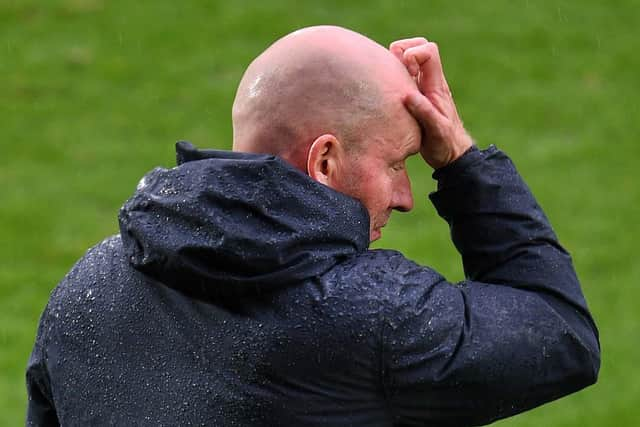

A phrase from his final press conference, after a 2-0 loss at Doncaster Rovers, ought to be Pedersen's Owls epitaph: "I burn for this football club. I love this football club."
Pedersen fell in love during nearly two years as Danny Rohl's assistant.
So when the German was trying to engineer his exit, when Chansiri stopped paying his players, when the whole footballing edifice of a club over 150 years-old was crumbling, Pedersen willingly returned as assistant manager, taking training in Rohl's absence and waiting for the divorce to go through so he could be appointed manager.
Anyone who cared about him would surely have advised against it.
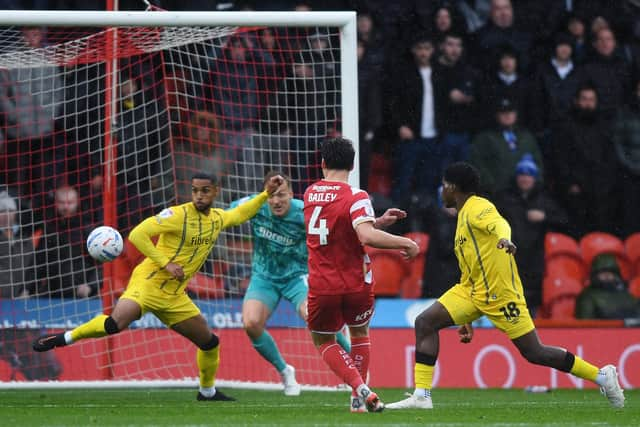
Yet when things got worse, Pedersen carried himself with great dignity and almost comical positivity, coping with a squad so threadbare he twice had to sign emergency goalkeepers, two of many times the begging bowl had to come out to make signings in administration.
In the and he achieved his goals, winning back the 18 points the Football League scrubbed off for financial mismanagement and getting a first home win of the season, but only one the final day.
And just as Middlesbrough recently celebrated those who kept the club going in 1986, so in time Pedersen and those around him should be seen in the same heroic light.
But the footballing goal had to very modest, so we started 2026-27 unable to judge Pedersen the manger, and with a complete squad revamp needed, judgement was always going to take a long time. Really, it ought to have been more than 15 games.
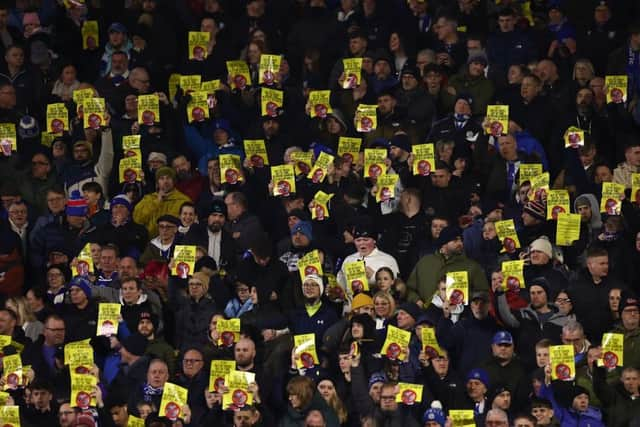
But David Storch's new broom brought excitement, and when Sheffield Wednesday fans – the club's great strength, and way more important in keeping the club going than even Pedersen – get excited they get expectant.
Wednesday were working under tighter financial controls than their League One counterparts, but with 30,000-plus crowds they were able to attract Harry Gray, Kieran Morrison, Callum Slattery, and on deadline day the cherry on the top – Davis Keillor-Dunn. Jamal Lowe began scoring again, Barry Bannan came back. Even Louie Barry's injury should have been surmountable.
When they were good, they were good – seven goals against Bromley, five v Wimbledon. The problem was, when they were bad they were turgid – blanks at home to Bradford City, Wolverhampton Wanderers, Wigan Athletic and Stockport County. This was not the attacking, invigorating football the fans who stayed so loyal the season before deserved.
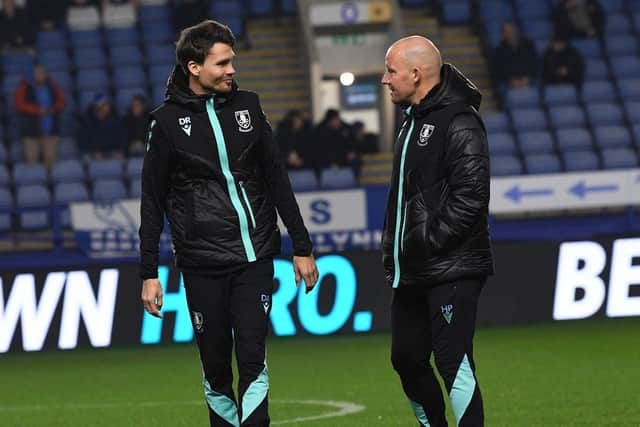
When the away form went too, a nine-match unbeaten run ended by defeats to Notts County and Doncaster, patience ran out, with calls for the manager's head. A desperate change of formation is never a good sign, and Pedersen's new shape did not work on Saturday.
So the end has come, and the new man must deliver style as well as substance.
History tells us big clubs take time to get out of the third tier – three years for Leeds United, six for Sheffield United, four for Sunderland, three for Nottingham Forest. Leicester City do not look as though they will be getting out in one this time, just as Luton Town – still with a Premier League parachute over their head – did not last year.
The Owls have never escaped this division in less than two seasons.
And yet, not being in the automatic promotion picture will not cut it.
Wednesday are five points off second with a game in hand early in a season of transition. Of course they would rather be top, but it is not bad.
But just as Pedersen was entitled to loyalty when the rest of the club's leadership changed, so those supporters have a right to demand the football they want.
"A recognisable style of play and greater consistency," were the telling complaints in sporting director Simon Wilson's statement announcing the sacking, which was rightly fulsome in its thanks for the job Pedersen did in the dark tines.
It shows picking the next man is just about picking the best manager.
As well as results, he must deliver the right football – not defensive, not formulaic, and not passing for the sake of it.
Sheffield Wednesday can only be the club they should be when powered by their extraordinary fans.
Pedersen kept the lights on to give them something to get behind, but now they want something else.