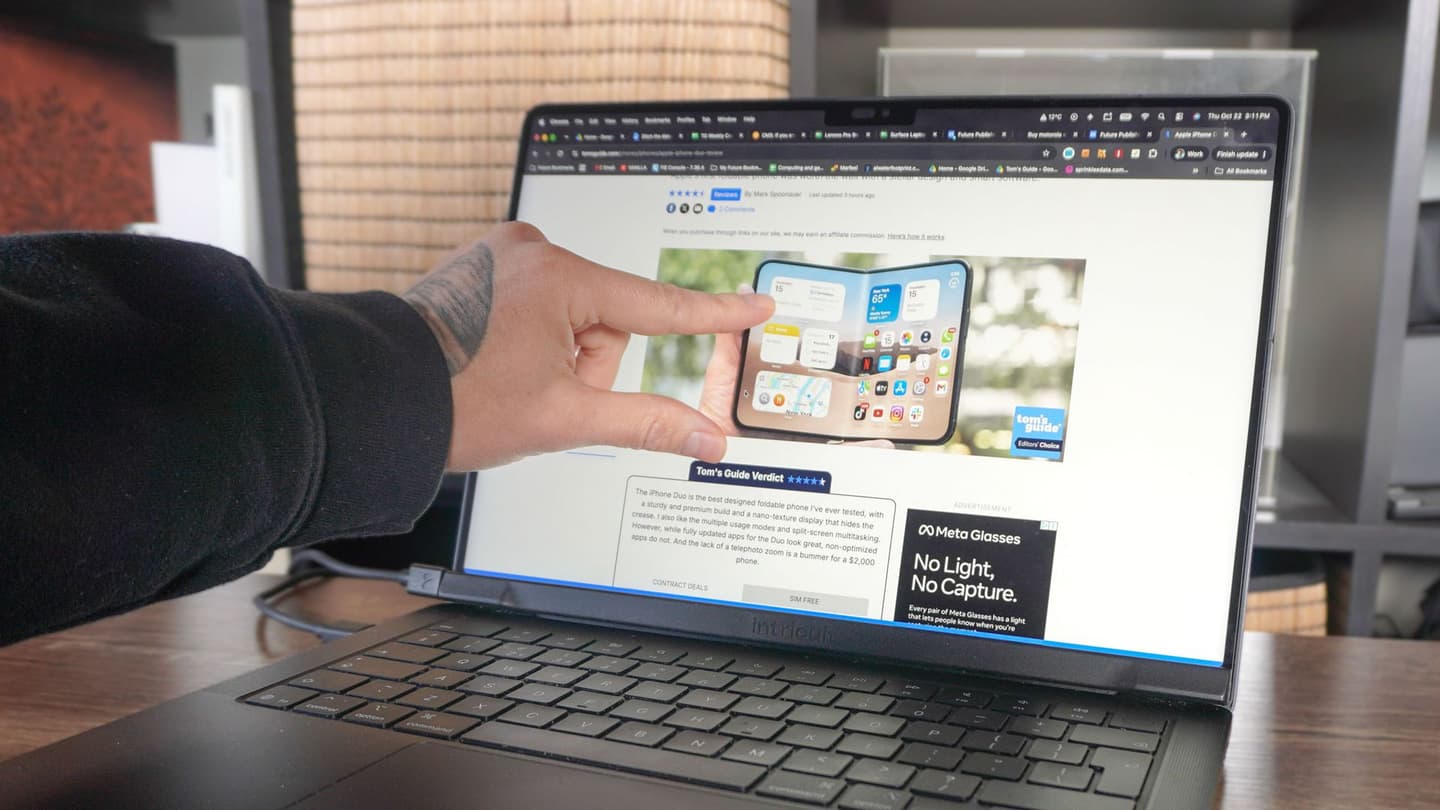
If the tidal wave of leaks leading up to Apple’s ‘Pro and Tell’ event this week are accurate, we are days away from the biggest paradigm shift in Mac history: the OLED touchscreen MacBook Pro.
For a decade, the Cupertino crew swore they would never put a touchscreen on a Mac. They told us the ergonomics were wrong. They told us to buy an iPad. But the PC industry moved on, OLED got cheaper, and now Apple is finally caving.
But throwing a touch panel on a laptop is only half the battle; the operating system actually has to know what to do with your fingers. Rather than wait for Apple to take my money, I got impatient. Now with macOS2 27 installed, I went back and hooked the Intricuit Magic Screen touch layer to my current M5 MacBook Pro.
And after aggressively poking my display to see what a touch-first Mac actually feels like, it’s clear that macOS in its current form is suffering an identity crisis. Apple has a lot of software duct tape to apply before next week.
The finger vs. the mouse
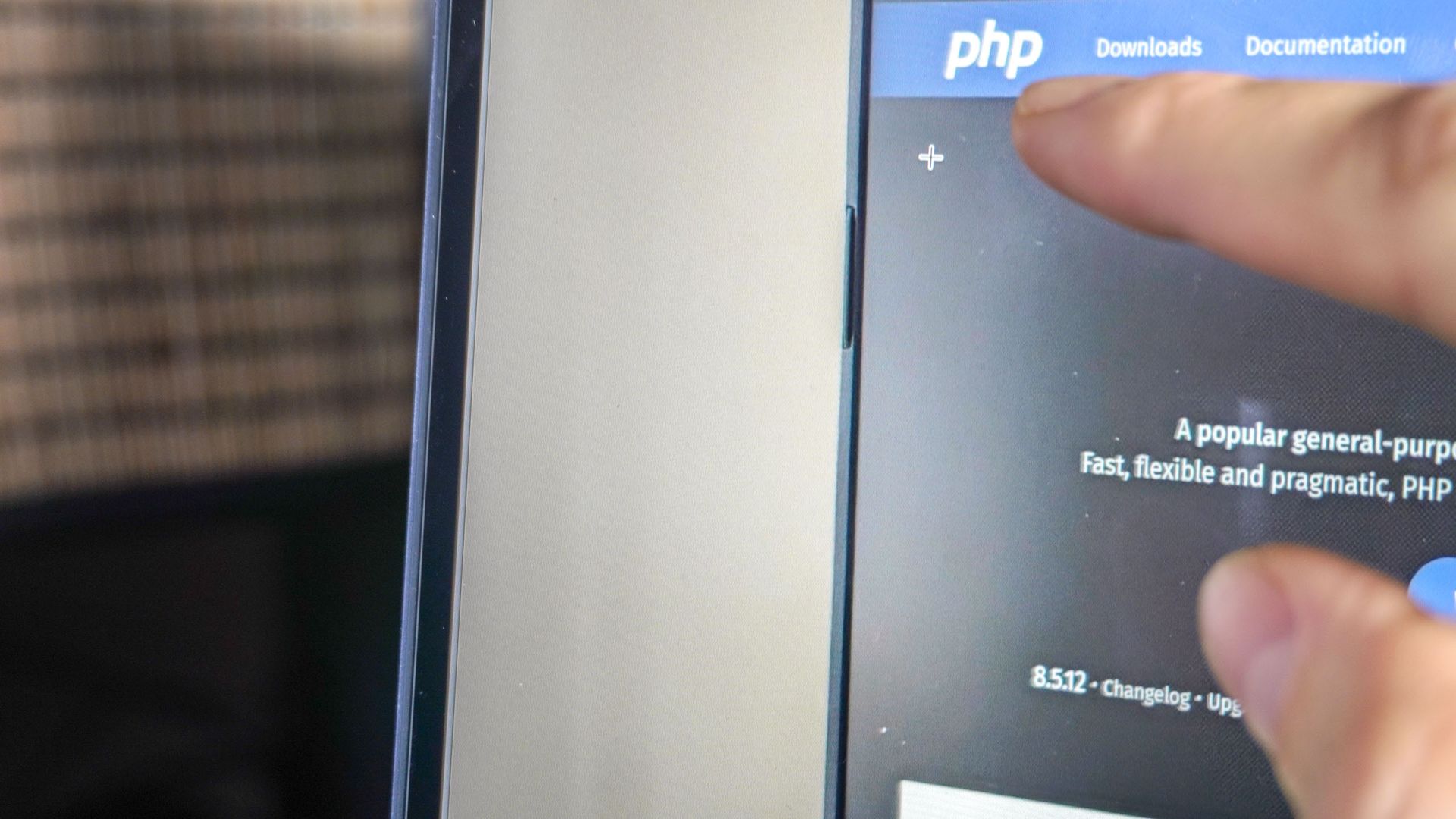
The first 10 minutes of poking my MacBook Pro felt so familiar to other touch-enabled laptops like the Surface Laptop Ultra I just reviewed. Scrolling through articles with a flick of the wrist, pinching to zoom and tapping to pause on YouTube videos feels instantly natural.
But then, you actually try to get some work done.
Right now, macOS treats your finger exactly like a mouse cursor. There seems to be no native touch intelligence layer bridging the gap between your physical digit and the digital UI. That’s not a bad thing when it comes to simple tapping and scrolling, but the preciseness of a mouse cursor vs the blunt instrument of a finger is an issue.
When you try to hit the tiny, classic “traffic light” buttons in the top corner of the window, you’re playing a frustrating game of digital darts. And there isn’t any real gesture control built-in here to make the app bar appear or snap windows together.
What macOS desperately needs
Now, I know that chances are if Apple’s going to announce an OLED touchscreen MacBook Pro next week, it's already done a lot of the software tweaks in secret. But if I can propose three things that would make it great:
Aggressive icon scaling (or outright replacements)
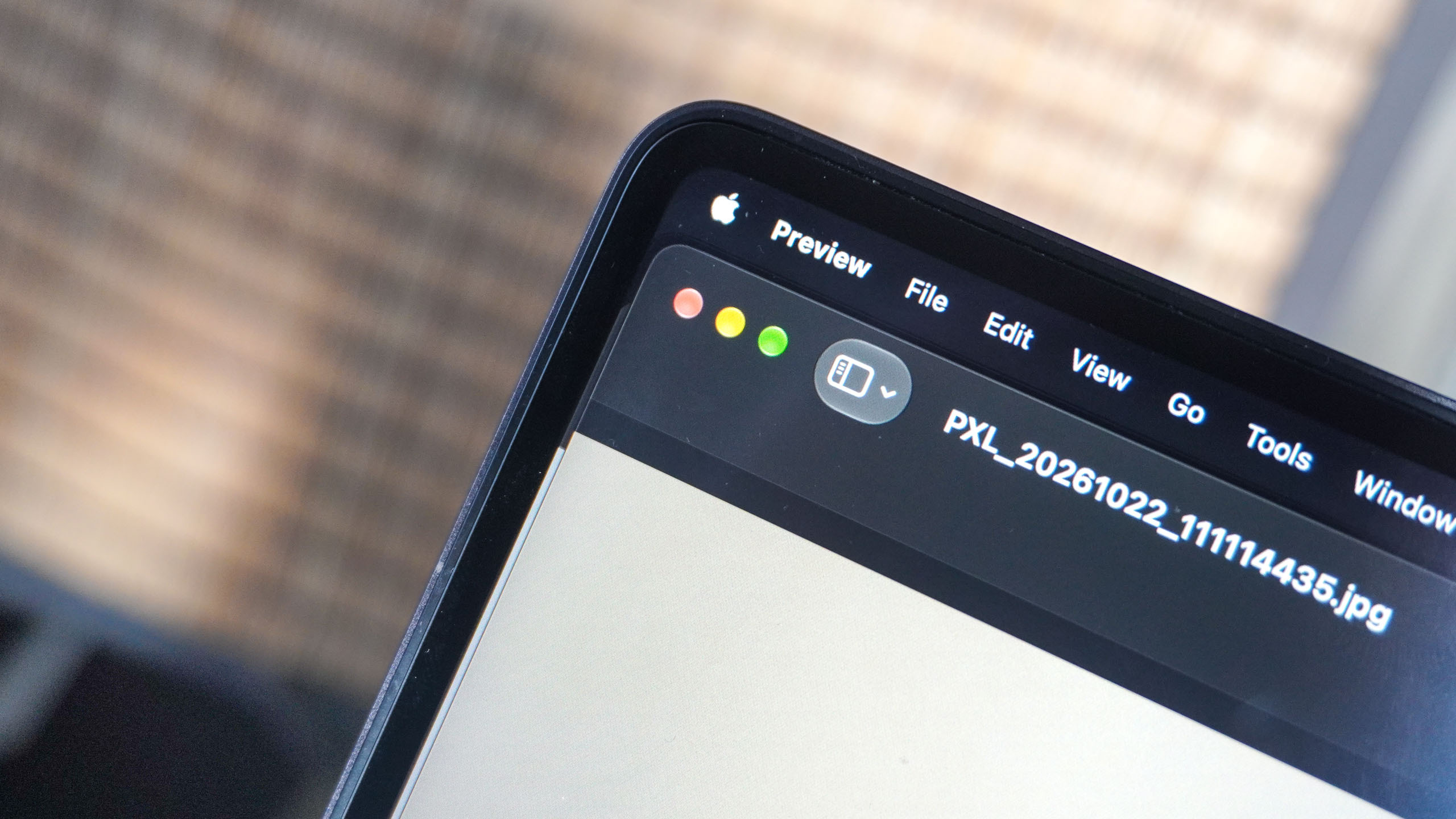
macOS needs a dynamic touch state. The moment the OS detects a finger press instead of a trackpad input, the hitboxes for critical UI elements need to adapt.
Either that, or Apple needs to introduce sweeping, iPad-style swipe-to-close or switch app mechanics that bypass the tiny button inputs entirely.
Actual multitouch gestures (and Apple Pencil support)

We see these with the Magic Trackpad or on the MacBook’s trackpad itself, which will probably move to the screen. Four-finger swipes to switch desktops, the five-finger pinch to pull up the Launchpad.
If Apple wants this to be a true hybrid machine, the display needs to recognize that exact same multitouch gesture library. And for the creatives out there, Apple Pencil support would be massive.
Learn from the iPhone Duo
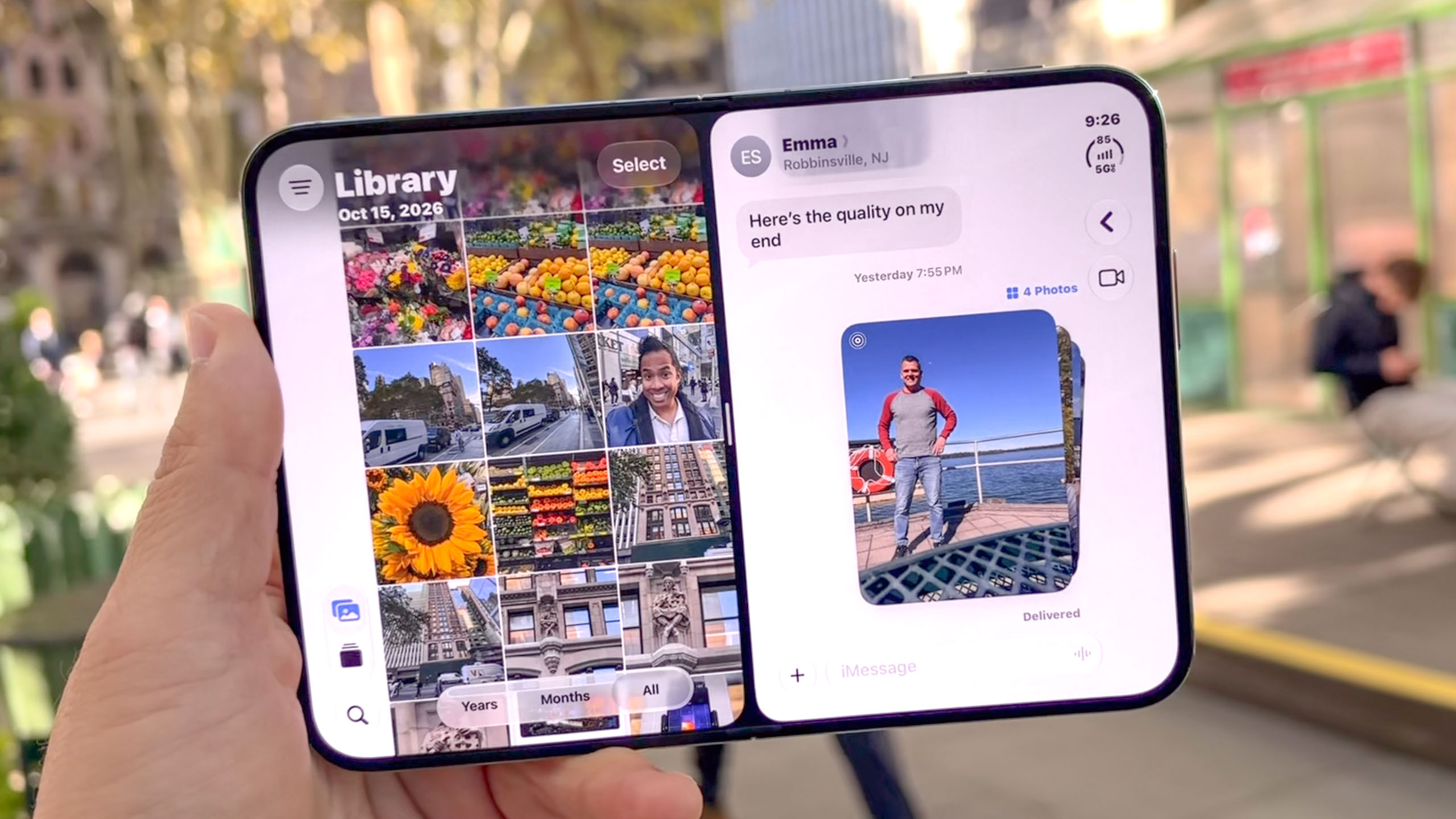
Yes, there may be much to learn from the iPad in terms of gesture control, but the iPhone Duo actually brings a lot to the table here.
Namely, window snapping in macOS is easy enough to do with a trackpad, but the ability to physically drag apps together to create cohesive, split-screen “sessions” would be huge. Imagine that, but on the level of being able to stack more than two apps into a grid to work around!
Hardware over software?
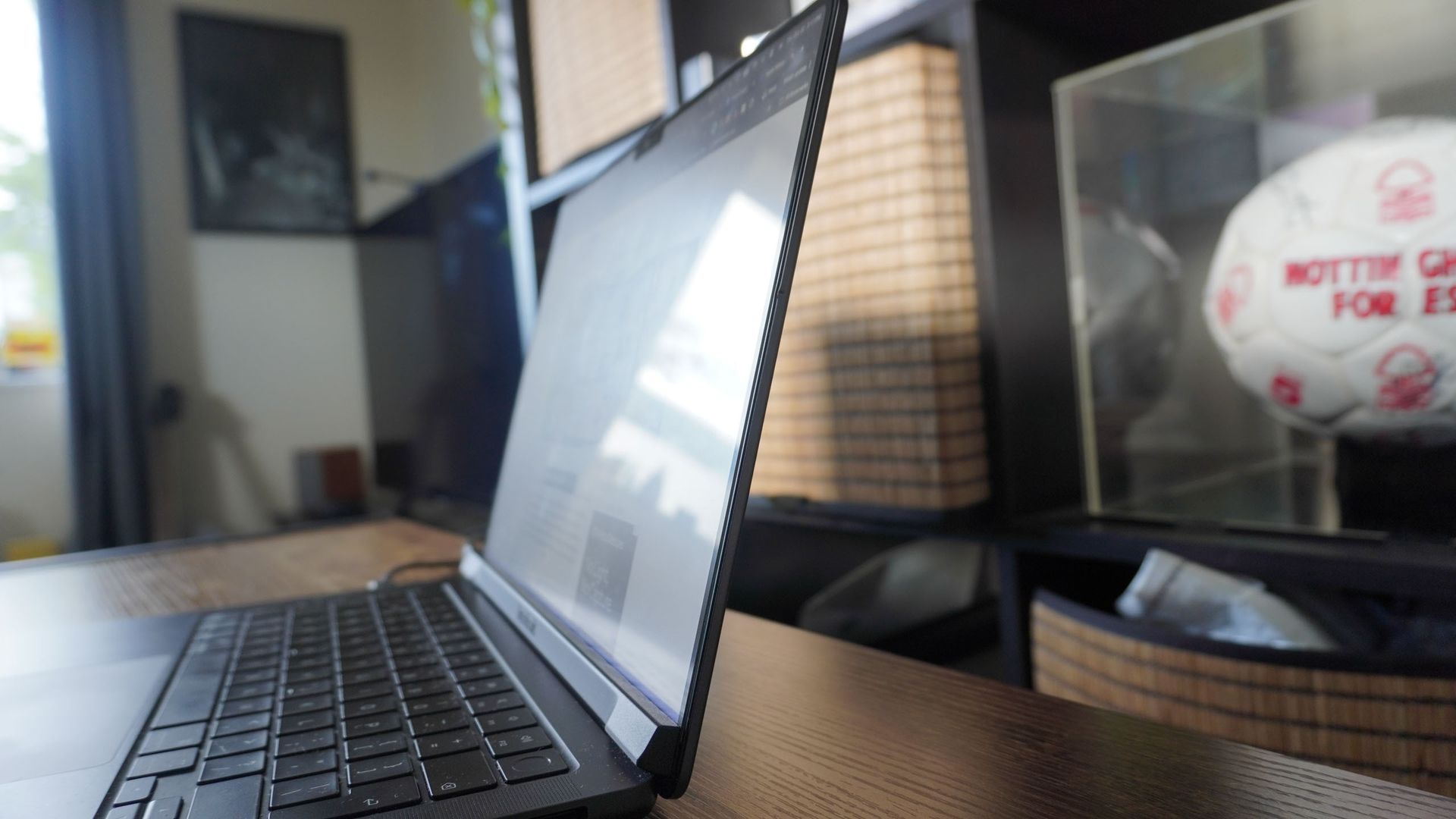
Using a touchscreen Mac today proves that the hardware experience is undeniably brilliant, but while there are some touch-friendly features on the trackpad, the OS software at the moment is actively fighting you.
If Apple unveils this MacBook Pro next week, it’s likely to be paired with a touch-optimized macOS update that borrows heavily from the iPhone Duo and iPadOS. And if they do that, they won’t just be catching up to Windows laptops; they will redefine how you interact with your computer.
Because ultimately, Windows 11 isn’t really touch friendly either, give or take some buttons. It’s a part of the laptop experience that has gone ignored for a while. And I’m quietly excited for Apple to change this.
We will find out on Wednesday. Keep your screen wipes ready.
More from Tom's Guide
- I built a touchscreen MacBook Pro using this snap-on accessory, and I'm baffled why Apple hasn't made its own for years
- Exclusive: Apple's OLED MacBook Pro may face a '$300 to $500' price hike to 'protect their profits' from RAMageddon
- ‘Babe, wake up, the internet is collapsing’: Two massive flaws just broke the web, and the data of billions is in the crossfire