
Elon Musk rejected demands to transfer 30% of Starlink’s South African operation to historically disadvantaged investors after proposing free internet for thousands of rural schools, according to the United States ambassador to South Africa.
- Elon Musk’s Starlink offered to invest about $28 million in free internet for more than 5,000 South African schools.
- The programme could reach an estimated 2.4 million pupils annually.
- US Ambassador Leo Brent Bozell III says Musk rejected a requirement to transfer 30% of the local business to historically disadvantaged owners.
- Starlink has proposed meeting South Africa’s empowerment rules through infrastructure and education investment instead.
Ambassador Leo Brent Bozell III said the South African-born billionaire was unwilling to surrender part of the satellite-internet business as a condition for entering the market.
Starlink’s documented proposal involves an investment of approximately $28 million (R500 million) to connect more than 5,000 rural schools, potentially reaching an estimated 2.4 million pupils each year.
The programme would provide Starlink equipment and broadband service while using South African companies to support installation and maintenance.
Mr Bozell raised the dispute during an interview with The Common Sense, although he referred to 500 schools rather than the more than 5,000 contained in Starlink’s formal proposal.
“He said no, and he walked away from it,” Mr Bozell said while describing Mr Musk’s response to the ownership requirement.
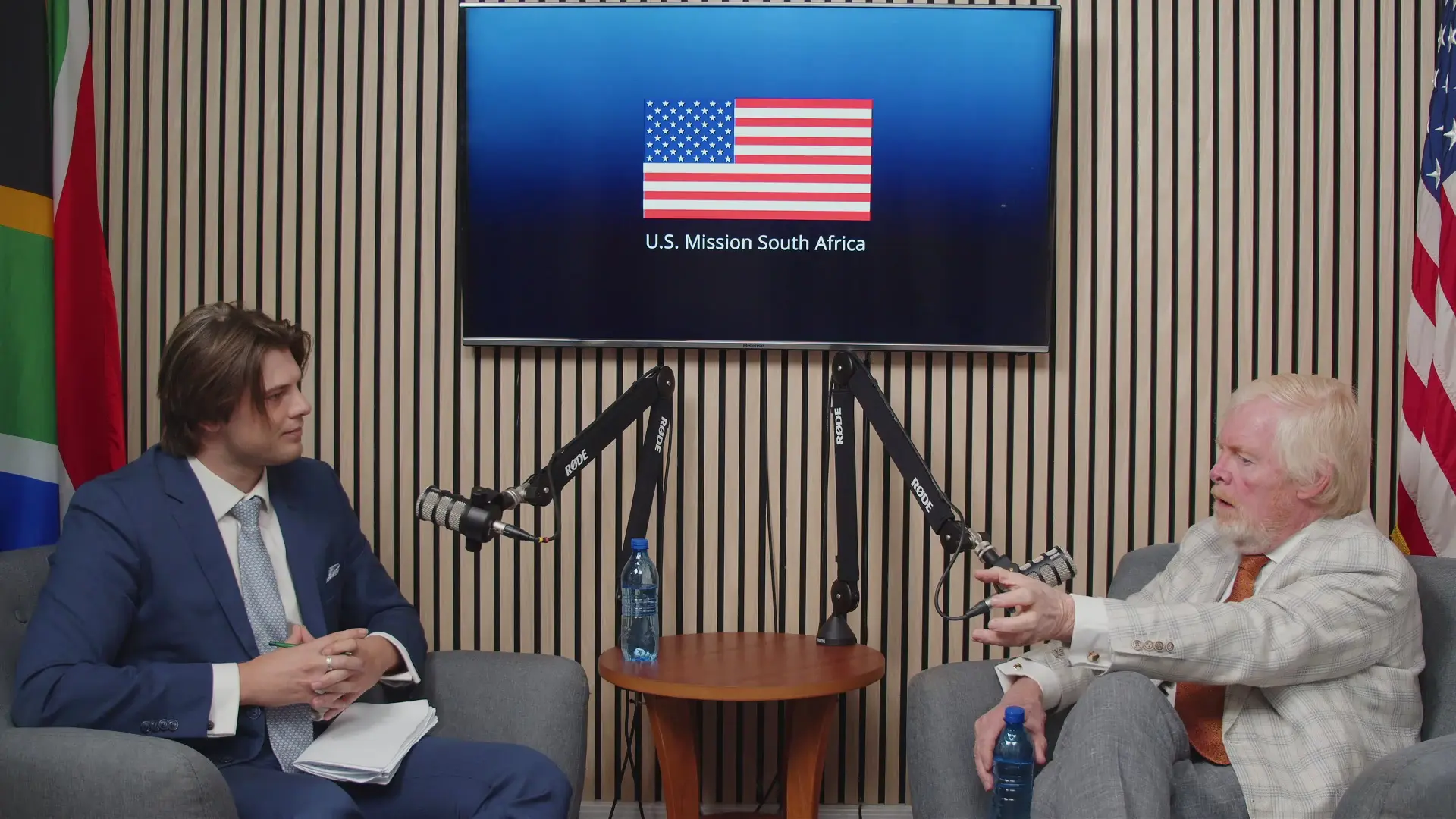
The ambassador did not say that he had discussed the proposal directly with Mr Musk. His account of the billionaire’s decision is therefore based on his understanding of the negotiations.
Starlink proposes an alternative to equity ownership
South Africa’s telecommunications rules require certain licence holders to place 30% of their local equity in the hands of groups disadvantaged under apartheid.
Starlink has argued that it should be allowed to meet the country’s Black economic empowerment requirements through an Equity Equivalent Investment Programme instead of transferring shares.
In a June 2025 letter to Trade, Industry and Competition Minister Parks Tau, the company said it had not asked for exemption or special treatment.
It proposed investing directly in rural connectivity, local businesses and education while retaining ownership of its South African operation.
“If EEIPs are recognised for individual licence holders, Starlink would immediately apply for its necessary licences in South Africa,” Ryan Goodnight, Starlink’s senior director for market access, wrote.
The proposed programme would provide fully funded Starlink kits and service to rural schools while supporting installation and maintenance through local companies.
South Africa has already moved towards recognising equity-equivalent investments in the communications sector. Communications Minister Solly Malatsi issued a policy direction in December 2025 calling for such programmes to count towards empowerment requirements.
Mr Malatsi said the change was intended to attract investment and extend broadband coverage without weakening the country’s transformation policy. The government also said the measure was not created solely for Starlink.
Starlink has expanded rapidly across Africa, particularly in countries where weak fibre and mobile networks leave rural communities without reliable broadband.
South Africa remains one of the continent’s largest potential markets, but Starlink has yet to secure the licences required to operate formally in the country.
The dispute highlights three competing priorities: expanding internet access, attracting foreign technology investment and maintaining a policy aimed at addressing the economic inequalities created by apartheid.