Table of Contents
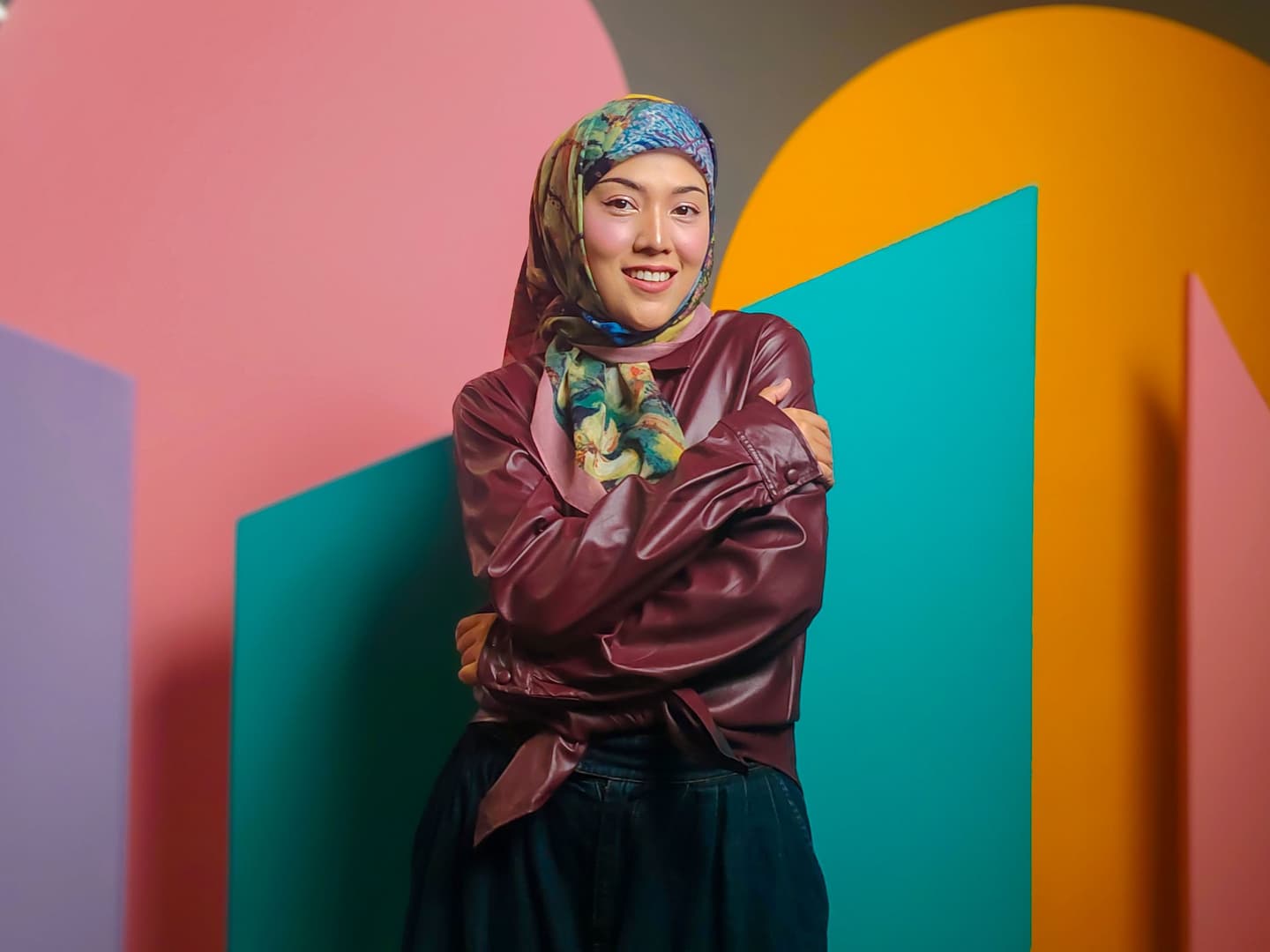
Before becoming a mother, 36-year-old pop singer Shila Amzah viewed health largely through the lens of appearance. Looking good on television, maintaining a certain figure and fitting into the beauty standards of the time were all part of what she considered being healthy.
“Before motherhood, health meant looking good on TV and maintaining a certain figure because you are constantly in the public eye. I think a lot of millennials also grew up seeing health in a very aesthetic way. We had the low-rise jeans, skinny jeans and tight tops, and you felt like you needed a certain body to wear those things,” Shila told theSun.
Motherhood changed that perspective completely, and now, as an ambassador for With Ova, Shila sees health less as a way to maintain her appearance and more as a means of staying strong.
“After having children, I realised health is really about being physically and mentally strong for my family. That was a big change for me and something I had to learn to adapt to. Before, I was mostly thinking about myself. Now, I think about my family,” she said.
For Shila, being strong is no longer about chasing a particular body shape. Instead, it is about having the physical ability to keep up with her children and the mental resilience to manage the demands of raising a family while maintaining a career.
The shift reflects a broader change in how she sees herself. Before motherhood, her body was closely tied to her work as a performer and the expectations that came with being in the public eye. Now, it is also the body that carries her through the everyday responsibilities of being a mother.
Strong enough for motherhood

The physical demands of motherhood are often underestimated, Shila said, because being a mother requires much more than simply looking or feeling fit.
“People underestimate how physically demanding being a mother can be. You need strength for everyday things, even something as simple as lifting your children. That is why I focus more on building my muscles, especially my core, because I want to be strong enough to be there for my kids,” she said.
That focus became even more important after two emergency Caesarean sections, which left Shila with scars that serve as a physical reminder of what her body went through to bring her children into the world.
Her first C-section also came with complications that affected an unexpected but important part of her life: her voice.
As a singer, her body is not simply something she lives in. It is also her instrument. When the complications affected her core strength and in turn, her ability to sing as she once did, Shila had to relearn how to use her voice.
“I had to relearn how to sing after my first C-section because my core was weaker than it had been before pregnancy. There were complications that affected my singing and that was difficult for me because I did not want to lose such a big part of who I am,” she said.
The experience forced her to approach recovery differently. Rather than simply trying to return to her pre-pregnancy body, she had to rebuild her strength in a way that supported her health and career.
That recovery is still ongoing after her second C-section but Shila now sees the process less as returning to who she was and more as building a body that can support the life she has now.
“I am still recovering after my second C-section, so being able to still be here, work and continue building my career is a huge privilege in itself. The training I have done has benefited me as an artiste but it has also helped me as a mother, so it feels like a win-win for everyone,” she said.
For Shila, that connection between her career and motherhood has become increasingly important. Staying physically strong allows her to perform but it also gives her the energy to be present for her children.
In that sense, looking after her health is no longer something she does simply for herself or for the demands of the entertainment industry. It has become part of how she looks after her family.
Learning to put herself first

Physical recovery is only one part of motherhood. Balancing her responsibilities as a parent with the demands of a career has also meant confronting the emotional side of parenting, particularly mum guilt.
Shila admitted the guilt is very real, especially when her work requires her to travel and spend time away from her children.
“It is very real and it is something I am still working on. Because I travel quite a lot, I try to really cherish the time I have with my children whenever I am with them, whether that is cuddling indoors or going out for fun activities,” she said.
Rather than allowing guilt to define how she sees herself as a mother, Shila is learning to focus on the quality of the time she has with her children.
For her, that can mean something as simple as spending time together at home or making an effort to enjoy activities as a family when her schedule allows.
It is a reminder parenting does not always have to be measured by how much time a mother spends with her children but also by how present she is during the moments they share.
That has also meant accepting that looking after herself is not selfish. In fact, Shila believes it can ultimately make her a better mother.
“One thing I would share with other mothers is that it is okay to make yourself happy first before giving everything to everyone else. Your children deserve a happy mum too,” she said.
It is a significant shift from the woman who once measured health by how she looked in front of a camera. Today, Shila’s priorities are less about fitting into a certain silhouette and more about having the strength, energy and emotional capacity to show up for the people who depend on her.
That does not mean she has stopped caring about her appearance or career. Instead, motherhood has given both a different context. Her body is still part of her identity as a performer but it is also something she needs to care for so she can continue being present for her family.
For a mother who has had to recover from two emergency C-sections while finding her way back to the stage, strength has taken on a much more personal meaning.
It is no longer about being thin enough for the camera or fitting into the clothes she once thought she needed to wear. It is about being able to lift her children, get through demanding days, return to the stage and still have something left for the people waiting for her at home.
Her body may carry the scars of motherhood but to Shila, they are also reminders of what it has allowed her to become a mother, a singer and a woman still learning that caring for herself is part of caring for her family.
READ MORE:
Exclusive: Diana Danielle on ageing, fitness and women’s health